Clinical Bed Accessories

Subcategories

  • Profiling Beds

    Adjustable Care Beds for Enhanced Patient Safety and Comfort

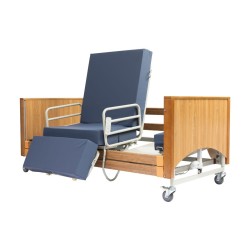
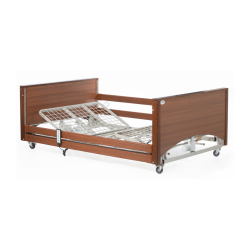
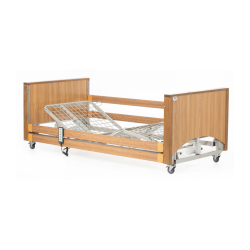
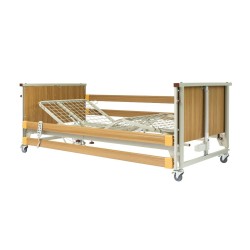
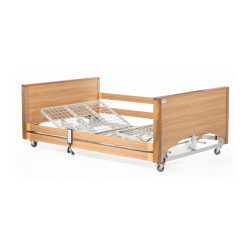
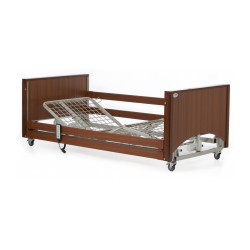
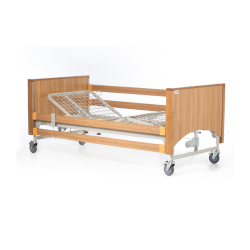
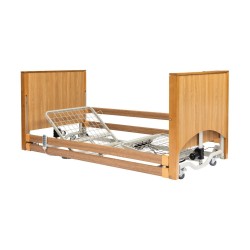
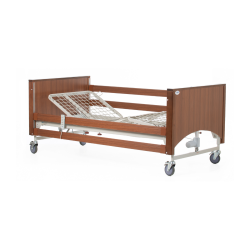
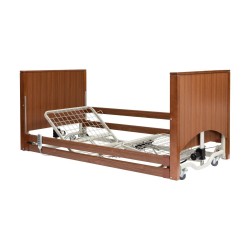
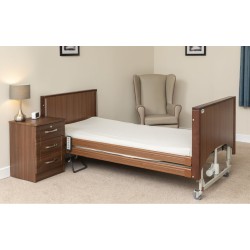
    Profiling beds provide adjustable sleeping and care surfaces essential for hospitals, care homes, and home care environments throughout England, Scotland, Wales, and Northern Ireland. These sophisticated care beds feature electrically operated sections enabling backrest elevation, leg raising, height adjustment, and trendelenburg positioning, offering crucial functionality for patient care, safety, and comfort. Professional care settings rely on profiling beds to support patients with limited mobility, facilitate clinical procedures and nursing care, prevent pressure injuries through position variation, assist with patient transfers through height adjustment, and enhance patient independence through control handsets enabling self-positioning. Modern profiling beds incorporate robust construction supporting varied patient weights, quiet electric actuators preventing disturbance, lockable castors ensuring bed stability, and comprehensive safety features including bed exit alarms and side rail options. The versatility of profiling beds makes them fundamental equipment across acute hospitals managing seriously ill patients, care homes supporting elderly residents with complex needs, rehabilitation facilities enabling progressive mobilisation, and home care settings enabling safe discharge from hospital whilst maintaining appropriate clinical support throughout professional care environments.

    The implementation of profiling beds within care environments directly supports CQC compliance through enhanced patient safety, falls prevention, pressure injury risk reduction, and facilitation of dignified care delivery. Traditional fixed-height beds pose significant challenges including falls risks during transfers, difficulty for staff performing care tasks, and limited positioning options for pressure relief or comfort. Profiling beds address these challenges through height adjustment enabling safe transfers at optimal levels, backrest elevation supporting respiratory function and reducing aspiration risks, leg elevation managing oedema and venous return, and position variation preventing prolonged pressure on vulnerable areas. Clinical evidence demonstrates that appropriate bed selection and use contributes to reduced falls incidents, improved pressure injury prevention, enhanced patient comfort, and decreased manual handling risks for staff. Care organisations benefit from reduced adverse events when profiling beds are appropriately specified and used, decreasing patient harm and associated costs. The independent positioning capability offered through handset controls supports patient autonomy and dignity, enabling individuals to adjust their position for comfort without requiring staff assistance. Modern profiling beds incorporate advanced features including integrated scales for convenient patient weighing, central locking systems simplifying bed management, and various mattress platform designs accommodating different pressure-relieving mattress types throughout England, Scotland, Wales, and Northern Ireland.

    Selecting appropriate profiling beds requires careful assessment of patient populations, clinical requirements, and care environment needs across hospitals, care homes, and home care settings throughout the UK. Organisations should evaluate typical patient weights determining safe working load requirements, care complexity influencing functionality needs, space constraints affecting bed dimensions, and budget considerations balanced against clinical benefits and lifecycle costs. Implementation protocols should encompass comprehensive staff training on profiling bed operation including control handset use, safety feature management, emergency lowering procedures, and appropriate bed positioning for different clinical scenarios. Quality assurance measures should include regular maintenance schedules ensuring bed functionality and safety, monitoring of bed-related incidents, evaluation of pressure injury and falls data, and review of bed specification against changing patient needs. Modern profiling beds incorporate features such as programmable positioning programmes, integrated nurse call systems, battery backup ensuring functionality during power failures, and antimicrobial coatings supporting infection control. Organisations should consider bed management systems tracking bed locations and maintenance requirements, standardisation of bed types simplifying staff training and maintenance, and rental options providing flexibility for temporary needs or equipment trials. Clinical teams should integrate profiling bed use with comprehensive falls prevention strategies, pressure injury prevention protocols, and manual handling policies. Documentation should demonstrate appropriate bed selection, staff competency, and planned maintenance. By investing in quality profiling beds and implementing professional management protocols, care organisations throughout England, Scotland, Wales, and Northern Ireland demonstrate their commitment to CQC standards, patient safety, clinical effectiveness, and the provision of modern care environments that support optimal outcomes whilst enabling dignified, comfortable care delivery across diverse clinical settings and patient populations.

  • Alerta Medical Bed...

    Quality Bed Equipment from a Trusted Clinical Manufacturer

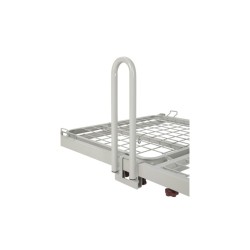
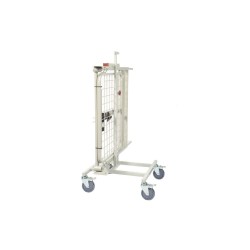
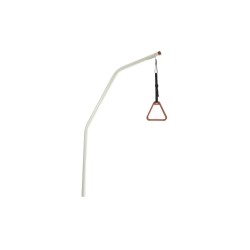
    Alerta medical bed accessories provide comprehensive equipment solutions specifically designed to enhance care bed functionality, patient safety, and clinical effectiveness across hospitals, care homes, and healthcare facilities throughout England, Scotland, Wales, and Northern Ireland. The Alerta brand represents established expertise in medical equipment manufacturing, offering products including bed rails ensuring patient safety, pressure-relieving mattresses preventing tissue damage, bed accessories enhancing functionality, positioning aids supporting patient comfort, and replacement parts maintaining equipment performance. Healthcare organisations trust Alerta products for their clinical design meeting professional standards, robust construction withstanding demanding care environments, compatibility with major bed manufacturers, and comprehensive product support including technical guidance and spare parts availability. Professional care settings value Alerta accessories for seamlessly integrating with existing bed infrastructure, meeting regulatory requirements including medical device standards, and providing cost-effective solutions for equipment enhancement and maintenance. Modern Alerta accessories incorporate evidence-based design features, user-friendly operation supporting clinical workflow, and quality materials ensuring durability and reliability across varied care environments.

    The selection of Alerta medical bed accessories supports CQC compliance through appropriate equipment provision, patient safety enhancement, and demonstration of quality procurement practices. Clinical environments require reliable bed accessories that integrate effectively with care beds, support patient safety protocols, and withstand the demands of continuous professional use. Alerta products address these requirements through purpose-designed accessories meeting clinical needs, rigorous quality standards ensuring consistent performance, and comprehensive product information supporting appropriate selection and use. Healthcare organisations benefit from standardising on established brands like Alerta, enabling simplified staff training, streamlined maintenance through common spare parts, and confidence in product quality and regulatory compliance. The availability of Alerta replacement parts extends equipment lifespan, supporting sustainable procurement and budget management whilst maintaining clinical functionality. Alerta's focus on pressure care products reflects understanding of this critical clinical priority, with mattresses and overlays incorporating advanced materials and designs preventing pressure injuries. The brand's bed rails exemplify attention to safety requirements, incorporating features such as secure attachment systems, padded surfaces preventing injury, and designs meeting current safety standards throughout England, Scotland, Wales, and Northern Ireland.

    Implementing Alerta medical bed accessories requires assessment of equipment needs, appropriate product selection, and integration with existing care infrastructure across healthcare facilities throughout the UK. Organisations should evaluate their current bed equipment identifying opportunities for enhancement through accessories, replacement needs for worn or outdated items, and standardisation opportunities across multiple care areas. Product selection should consider clinical requirements ensuring accessories meet patient safety and comfort needs, compatibility with existing bed models, regulatory compliance including medical device regulations, and total cost of ownership including initial purchase and ongoing maintenance. Implementation protocols should encompass staff training on proper accessory installation and use, integration with clinical protocols such as falls prevention and pressure injury prevention, and documentation of equipment provision. Quality assurance measures should include regular equipment checks ensuring continued functionality and safety, monitoring of accessory-related incidents, and evaluation of clinical effectiveness through audit data. Modern Alerta accessories incorporate features such as tool-free installation simplifying fitting, clear labelling supporting correct use, and infection control considerations including wipe-clean surfaces and antimicrobial options. Organisations should establish relationships with suppliers providing technical support, responsive service, and reliable spare parts supply. Procurement approaches should balance cost considerations with quality requirements, recognising that established brands like Alerta offer reliability and long-term value. By selecting quality Alerta medical bed accessories and implementing professional equipment management protocols, healthcare organisations throughout England, Scotland, Wales, and Northern Ireland demonstrate their commitment to CQC standards, patient safety, appropriate equipment provision, and responsible stewardship of resources through investment in reliable, clinically effective products that enhance care delivery whilst ensuring regulatory compliance and value for money across their care environments.

Active filters