Medical Equipment
Subcategories
Blood Pressure Monitors
Accurate Blood Pressure Measurement for Clinical Monitoring
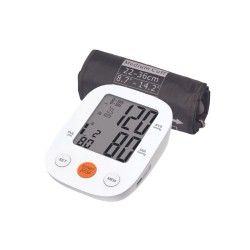
Blood pressure monitors provide essential diagnostic equipment enabling accurate cardiovascular assessment across hospitals, GP surgeries, clinics, care homes, and healthcare settings throughout England, Scotland, Wales, and Northern Ireland. These vital devices measure systolic and diastolic blood pressure through automated oscillometric mechanisms or traditional manual auscultatory methods, supporting clinical decision-making, chronic disease management, and health screening. Healthcare environments rely on blood pressure monitors for routine vital signs monitoring, hypertension diagnosis and management, medication effectiveness assessment, pre-operative assessment, cardiovascular risk evaluation, and acute illness assessment. Modern blood pressure monitors incorporate features including digital displays showing results clearly, automated inflation and measurement reducing technique variation, memory functions tracking readings over time, irregular heartbeat detection identifying arrhythmias, and varied cuff sizes accommodating different arm dimensions. The provision of accurate reliable blood pressure monitors supports evidence-based care through quality clinical data, enables appropriate treatment decisions, and demonstrates professional clinical practice meeting measurement standards across professional healthcare environments.
The implementation of appropriate blood pressure monitors directly supports CQC compliance through accurate vital signs monitoring, early detection of cardiovascular problems, and demonstration of appropriate clinical equipment provision. Inaccurate blood pressure measurement compromises patient care through missed hypertension diagnoses increasing cardiovascular event risks, inappropriate medication management based on faulty readings, and failure to detect acute changes indicating clinical deterioration. Professional monitors address these challenges through validated accurate measurement mechanisms, appropriate cuff sizing ensuring reading reliability, consistent technique through automation reducing operator variation, and quality construction maintaining calibration. Clinical applications include hypertension screening and monitoring supporting cardiovascular disease prevention, medication titration ensuring optimal blood pressure control, acute illness assessment detecting sepsis or deterioration, pre-operative screening identifying risks, and routine vital signs monitoring in hospitals and care homes. Healthcare organisations benefit from reliable monitors through confident clinical decision-making, appropriate medication management reducing adverse outcomes, early problem detection enabling timely interventions, and regulatory compliance meeting equipment standards. Modern monitors incorporate advanced features such as averaging multiple readings, atrial fibrillation detection, and data connectivity throughout England, Scotland, Wales, and Northern Ireland.
Selecting and implementing blood pressure monitors requires assessment of clinical requirements, appropriate equipment specification, and establishment of quality measurement protocols across healthcare facilities throughout the UK. Organisations should evaluate usage patterns determining whether manual or automated monitors are appropriate, assess clinical requirements identifying needs for additional features such as arrhythmia detection, and consider practical factors including portability requirements and data management needs. Equipment selection should prioritise clinically validated monitors meeting accuracy standards, appropriate cuff sizes with multiple available covering varied arm circumferences, clear displays readable in varied lighting, and robust construction withstanding clinical use. Implementation protocols must encompass staff training on correct measurement technique including appropriate cuff selection and positioning, patient preparation requirements, and result interpretation. Quality assurance measures should include regular calibration checking accuracy typically annually against mercury standards or electronic calibration devices, documented maintenance records, cleaning protocols between patients, and monitoring of measurement practices. Modern monitors incorporate features such as automated repeated measurements, wireless data transfer, and professional-grade construction. Organisations should establish measurement protocols standardising technique across staff, determine appropriate measurement frequencies for different patient groups, and integrate blood pressure data into clinical decision-making and care planning. Clinical teams should understand proper technique including correct cuff sizing, appropriate positioning, adequate rest before measurement, and interpretation considering clinical context. Staff education should address common measurement errors including incorrect cuff size, improper positioning, and talking during measurement. Documentation systems should record blood pressure readings enabling trend analysis and audit. By maintaining calibrated blood pressure monitors and implementing professional measurement protocols, healthcare organisations throughout England, Scotland, Wales, and Northern Ireland demonstrate their commitment to CQC standards, accurate vital signs monitoring, evidence-based cardiovascular care, and provision of reliable equipment supporting clinical assessment and decision-making enabling appropriate patient management across all care settings.
Medical Aspirators
Essential Suction Equipment for Airway Management
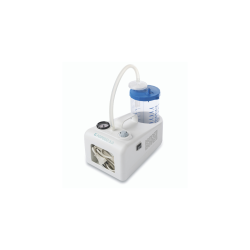
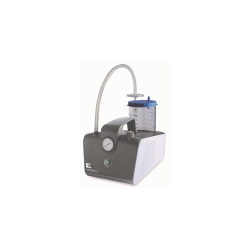
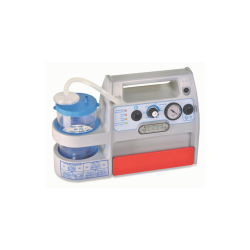
Medical aspirators provide critical suction equipment enabling airway clearance and secretion management across hospitals, care homes, clinics, and home care settings throughout England, Scotland, Wales, and Northern Ireland. These vital devices generate negative pressure removing fluids, secretions, and obstructions from airways and surgical sites, supporting respiratory function, preventing aspiration, and facilitating various clinical procedures. Healthcare environments rely on medical aspirators for airway clearance in patients unable to clear secretions independently, emergency airway management removing obstructions, surgical procedures requiring operative site suction, oral care preventing aspiration, and managing excessive secretions in palliative care. Modern medical aspirators incorporate features including portable battery-powered operation enabling use anywhere, adjustable suction pressure accommodating varied applications, collection bottles capturing aspirated material, bacterial filters preventing cross-contamination, and quiet operation minimising disturbance. The provision of reliable medical aspirators ensures rapid response to airway emergencies, supports respiratory care for vulnerable patients, enables safe surgical practice, and demonstrates appropriate clinical equipment provision across professional healthcare environments.
The implementation of medical aspirators directly supports CQC compliance through enhanced patient safety during airway management, respiratory support for vulnerable patients, and demonstration of appropriate emergency equipment provision. Patients unable to clear secretions face serious risks including airway obstruction potentially causing respiratory arrest, aspiration pneumonia from secretions entering lungs, respiratory distress from secretion accumulation, and choking from oral secretions. Medical aspirators address these challenges by enabling rapid secretion removal preventing obstruction, supporting patients with impaired cough or swallow, facilitating safe oral care in vulnerable patients, and providing emergency intervention capability for airway emergencies. Clinical applications include tracheostomy care removing secretions from artificial airways, neurological conditions when patients cannot clear secretions, palliative care managing terminal secretions compassionately, post-operative care clearing surgical site fluids, and emergency response to choking or airway obstruction. Healthcare organisations benefit from reduced respiratory complications through effective secretion management, prevented aspiration events avoiding serious infections, enhanced safety through emergency airway equipment availability, and improved quality of life for patients requiring regular suction. Modern aspirators incorporate safety features such as overflow protection, pressure regulation, and alarm systems throughout England, Scotland, Wales, and Northern Ireland.
Selecting and implementing medical aspirators requires assessment of clinical requirements, appropriate equipment specification, and comprehensive training across healthcare facilities throughout the UK. Organisations should evaluate patient populations determining suction requirements, assess usage scenarios identifying needs for portable versus fixed systems, and consider clinical applications requiring specialist features. Equipment selection should prioritise appropriate suction strength for intended applications, battery operation for portability and emergency use, adequate collection capacity, bacterial filtration preventing cross-contamination, and quiet operation particularly for palliative care. Implementation protocols must encompass comprehensive staff training on safe suction technique including catheter selection and insertion, appropriate suction pressure and duration, emergency airway suction procedures, and equipment maintenance. Quality assurance measures should include regular equipment testing ensuring functionality, documented maintenance schedules, cleaning and disinfection protocols, and monitoring of suction-related incidents. Modern aspirators incorporate features such as rechargeable batteries, LED indicators, and ergonomic designs. Organisations should establish protocols for aspirator availability including emergency access, integrate with clinical policies for airway management and infection control, and maintain equipment inventories. Clinical teams should understand appropriate suction indications, correct technique preventing airway trauma, catheter selection for different applications, and recognition of complications. Staff education should address suction risks including hypoxia, trauma, and infection, emphasising appropriate technique and monitoring. Equipment management should ensure regular servicing, availability of consumables including catheters and collection bottles, and backup equipment for critical areas. By maintaining medical aspirators and implementing professional suction protocols, healthcare organisations throughout England, Scotland, Wales, and Northern Ireland demonstrate their commitment to CQC standards, patient safety through effective airway management, respiratory support for vulnerable patients, emergency preparedness, and provision of essential equipment enabling life-saving interventions and supporting quality of life for patients requiring secretion management across all care settings.
Medical Nebulisers
Effective Aerosol Drug Delivery for Respiratory Conditions
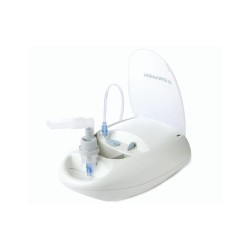
Medical nebulisers provide essential respiratory treatment equipment delivering medications directly to airways through aerosol inhalation, serving hospitals, care homes, clinics, and home care settings throughout England, Scotland, Wales, and Northern Ireland. These therapeutic devices convert liquid medications into fine mists enabling effective drug delivery to lungs, supporting management of asthma, chronic obstructive pulmonary disease, respiratory infections, and other conditions affecting breathing. Healthcare environments rely on nebulisers for acute respiratory exacerbation treatment, regular medication administration in patients unable to use standard inhalers, emergency bronchodilator delivery, antibiotic therapy for respiratory infections, and palliative care managing breathlessness. Modern medical nebulisers incorporate features including compressor or mesh technology generating aerosol, varied particle sizes optimising lung deposition, quiet operation reducing disturbance, portable designs enabling use anywhere, and fast treatment times improving compliance. The provision of reliable medical nebulisers supports effective respiratory disease management, enables home treatment reducing hospital admissions, facilitates emergency respiratory care, and demonstrates appropriate clinical equipment provision across professional healthcare environments.
The implementation of medical nebulisers directly supports CQC compliance through effective respiratory medication delivery, enhanced patient outcomes in respiratory disease, and demonstration of appropriate treatment equipment provision. Patients with respiratory conditions unable to use standard inhalers effectively face suboptimal medication delivery, increased exacerbations requiring hospital treatment, and reduced quality of life from poorly controlled symptoms. Medical nebulisers address these challenges by providing reliable medication delivery for all patients regardless of inhalation technique, enabling effective treatment during acute exacerbations when inhaler use is difficult, supporting paediatric and elderly patients who struggle with inhalers, and facilitating home treatment maintaining independence. Clinical applications include asthma management delivering bronchodilators and corticosteroids, COPD treatment providing regular and emergency medication, respiratory infections enabling antibiotic delivery, cystic fibrosis supporting comprehensive respiratory care, and palliative care managing breathlessness compassionately. Healthcare organisations benefit from reduced hospital admissions through effective home treatment, improved respiratory disease control through reliable medication delivery, enhanced patient satisfaction through convenient treatment, and appropriate resource utilisation through home care enablement. Modern nebulisers incorporate advanced features such as breath-enhanced delivery, medication tracking, and smartphone connectivity throughout England, Scotland, Wales, and Northern Ireland.
Selecting and implementing medical nebulisers requires assessment of patient needs, appropriate equipment specification, and comprehensive patient and staff education across healthcare and home care settings throughout the UK. Organisations should evaluate patient populations determining nebuliser requirements, assess usage scenarios identifying needs for portable versus static systems, and consider clinical requirements including medication types and treatment frequencies. Equipment selection should prioritise appropriate nebuliser technology with compressor types being economical and mesh nebulisers offering portability and quiet operation, suitable particle size for intended medications and target airways, adequate treatment speed balancing effectiveness with patient tolerance, and ease of cleaning ensuring infection control. Implementation protocols must encompass patient and staff training on correct nebuliser use including medication preparation, proper breathing technique, equipment cleaning and maintenance, and recognition of treatment effectiveness or complications. Quality assurance measures should include regular equipment servicing, documented maintenance schedules, cleaning protocols preventing infection transmission particularly for shared equipment, and monitoring of nebuliser-related adverse events. Modern nebulisers incorporate features such as medication chambers with minimal residual volume, integrated timers, and carrying cases. Healthcare organisations should establish protocols for nebuliser provision and review, integrate with respiratory care pathways and medication management, and maintain equipment inventories. Patients receiving home nebulisers require comprehensive education including correct use, cleaning protocols, recognition of deterioration requiring medical review, and regular equipment maintenance. Clinical teams should understand appropriate nebuliser indications, medication selection and dosing, monitoring of treatment response, and recognition when nebuliser therapy should be reviewed or alternative approaches considered. By implementing medical nebulisers alongside professional protocols and education, healthcare organisations throughout England, Scotland, Wales, and Northern Ireland demonstrate their commitment to CQC standards, effective respiratory disease management, patient independence through home treatment capability, and provision of appropriate equipment supporting optimal outcomes for patients with respiratory conditions requiring aerosol medication delivery across all care settings.
Medical Equipment...
Essential Components Supporting Equipment Functionality
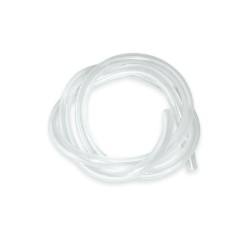
Medical equipment accessories provide vital components, replacement parts, and enhancements supporting clinical equipment functionality and longevity across hospitals, care homes, clinics, and healthcare facilities throughout England, Scotland, Wales, and Northern Ireland. These supporting products encompass replacement parts maintaining equipment operation including batteries, cuffs, tubing, and filters, equipment enhancements such as stands, carry cases, and mounting solutions, consumable items requiring regular replacement including electrodes and sensor probes, cleaning and maintenance supplies supporting infection control and equipment care, and compatibility accessories enabling integration between different equipment systems. Healthcare organisations rely on comprehensive accessory provision for maintaining medical equipment functionality through timely replacement of worn components, protecting capital equipment investment through proper maintenance supplies, enhancing equipment utility through functional accessories, ensuring infection control through appropriate cleaning supplies, and enabling flexible equipment deployment through portability accessories. Modern medical equipment accessories incorporate features including guaranteed compatibility with specific equipment models, quality construction ensuring reliable performance, appropriate medical device certifications meeting regulatory standards, and user-friendly designs facilitating installation and use. The availability of comprehensive medical equipment accessories ensures clinical equipment operates optimally, extends equipment lifespan, prevents downtime through readily available parts, and demonstrates professional equipment management across care environments.
The implementation of appropriate medical equipment accessory provision directly supports CQC compliance through maintained equipment functionality ensuring reliable clinical care, infection prevention through proper cleaning supplies, and demonstration of responsible equipment stewardship. Healthcare organisations investing significantly in medical equipment must support these investments through appropriate accessories enabling optimal functionality, protecting capital expenditure, and ensuring regulatory compliance. Medical equipment accessories address these requirements by enabling timely replacement of worn components maintaining accuracy and safety, facilitating proper equipment cleaning supporting infection control, enhancing equipment utility through functional enhancements, and extending equipment lifespan through proper maintenance. Clinical benefits include reliable equipment functionality supporting consistent care delivery, prevented equipment downtime avoiding care disruptions, maintained measurement accuracy through calibrated replacement components, and infection control through proper cleaning. Healthcare organisations benefit from reduced equipment replacement costs when accessories support extended lifespan, maintained regulatory compliance through appropriate equipment maintenance, prevented care disruptions through readily available replacement parts, and optimised equipment utility through functional accessories. Modern accessories incorporate features such as quick-change designs, clear compatibility labelling, and infection control considerations throughout England, Scotland, Wales, and Northern Ireland.
Selecting and implementing medical equipment accessories requires assessment of equipment inventory, appropriate accessory specification, and establishment of equipment management protocols across healthcare facilities throughout the UK. Organisations should evaluate their medical equipment inventory identifying required accessories for optimal functionality, assess replacement schedules for consumable items determining stock requirements, and review equipment maintenance needs identifying necessary supplies. Accessory selection should prioritise genuine manufacturer parts ensuring guaranteed compatibility and quality, appropriate specifications matching equipment requirements, adequate stock levels preventing shortages compromising equipment availability, and cost-effectiveness balancing initial prices against longevity and reliability. Implementation protocols should encompass staff training on proper accessory installation and use, integration with equipment maintenance schedules, and documentation of accessory provision and equipment servicing. Quality assurance measures should include periodic review of accessory stocks ensuring availability, monitoring of equipment functionality identifying when accessories or servicing are needed, documented maintenance schedules, and evaluation of accessory effectiveness. Modern accessories may incorporate features such as electronic identification, standardised connections, and improved designs. Organisations should establish equipment management systems tracking servicing, accessory requirements, and inventory, maintain adequate stocks of essential accessories preventing equipment downtime, and implement procurement approaches ensuring timely availability. Staff education should address importance of using appropriate accessories, recognition when equipment requires servicing or replacement parts, and proper installation techniques. Storage systems should protect accessories whilst ensuring accessibility when needed. Procurement approaches should balance cost considerations with quality requirements, recognising that genuine manufacturer accessories often provide better reliability than generic alternatives. By maintaining comprehensive medical equipment accessory supplies and implementing professional equipment management protocols, healthcare organisations throughout England, Scotland, Wales, and Northern Ireland demonstrate their commitment to CQC standards, equipment maintenance ensuring continued safe reliable operation, infection control through appropriate cleaning supplies, and responsible stewardship of capital equipment through investments in accessories supporting optimal functionality, longevity, and clinical effectiveness of essential medical equipment across all healthcare settings.
Medical Thermometers
Accurate Temperature Measurement for Clinical Assessment
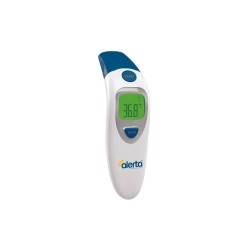
Medical thermometers provide essential diagnostic equipment enabling accurate body temperature measurement supporting clinical assessment across hospitals, GP surgeries, care homes, clinics, and healthcare settings throughout England, Scotland, Wales, and Northern Ireland. These vital devices measure core body temperature through various methods including oral, tympanic (ear), temporal artery, axillary, and rectal routes, detecting fever indicating infection, monitoring temperature in acute illness, and supporting vital signs surveillance. Healthcare environments rely on medical thermometers for routine temperature monitoring, infection screening, post-operative monitoring, paediatric assessment, and fever management. Modern medical thermometers incorporate features including digital displays showing readings clearly, rapid measurement providing results within seconds, memory functions tracking temperature trends, fever alarms alerting to high temperatures, and probe covers preventing cross-contamination. The provision of accurate reliable medical thermometers supports evidence-based care through quality vital signs data, enables early infection detection, facilitates appropriate clinical decisions, and demonstrates professional clinical practice meeting measurement standards across professional healthcare environments.
The implementation of appropriate medical thermometers directly supports CQC compliance through accurate vital signs monitoring, early infection detection, and demonstration of appropriate clinical equipment provision. Inaccurate temperature measurement compromises patient care through missed fever delaying infection treatment, inappropriate concern from falsely elevated readings, and inadequate monitoring during acute illness. Professional medical thermometers address these challenges through validated accurate measurement mechanisms, appropriate site selection for reliable readings, rapid results enabling efficient clinical workflow, and infection control features through disposable probe covers. Clinical applications include fever detection identifying infection requiring treatment, sepsis screening as part of early warning scores, post-operative monitoring detecting complications, medication effectiveness assessment for antipyretics, and routine vital signs surveillance in hospitals and care homes. Healthcare organisations benefit from reliable thermometers through confident clinical assessment, early problem detection enabling timely interventions, efficient workflow through rapid measurement, and regulatory compliance meeting equipment standards. Modern thermometers incorporate advanced features such as non-contact measurement, colour-coded fever indicators, and age-specific modes throughout England, Scotland, Wales, and Northern Ireland.
Selecting and implementing medical thermometers requires assessment of clinical requirements, appropriate equipment specification, and establishment of quality measurement protocols across healthcare facilities throughout the UK. Organisations should evaluate typical measurement scenarios determining preferred thermometer types, assess patient populations influencing site selection with tympanic suitable for adults and children whilst temporal artery works well for infants, and consider practical factors including infection control requirements and speed needs. Equipment selection should prioritise clinically validated thermometers meeting accuracy standards, appropriate measurement site for intended population, rapid measurement time supporting workflow, and probe covers or non-contact operation supporting infection control. Implementation protocols must encompass staff training on correct measurement technique including appropriate site selection and probe positioning, patient preparation requirements, and result interpretation considering measurement site and clinical context. Quality assurance measures should include regular calibration checking accuracy, documented verification records, cleaning protocols, and monitoring of measurement practices ensuring correct technique. Modern thermometers incorporate features such as automatic site detection, multiple measurement modes, and wireless data connectivity. Organisations should establish measurement protocols standardising technique across staff, determine appropriate measurement frequencies for different patient groups particularly frequent monitoring in acute illness, and integrate temperature data into early warning scores and clinical decision-making. Clinical teams should understand measurement site selection considering age and clinical condition, normal temperature ranges varying by site, and clinical interpretation recognising that fever patterns provide diagnostic clues. Staff education should address common measurement errors including incorrect probe positioning, inadequate seal for tympanic measurement, and movement during temporal artery measurement. Documentation systems should record temperature readings enabling trend analysis and sepsis screening. By maintaining calibrated medical thermometers and implementing professional measurement protocols, healthcare organisations throughout England, Scotland, Wales, and Northern Ireland demonstrate their commitment to CQC standards, accurate vital signs monitoring, early infection detection, and provision of reliable equipment supporting clinical assessment and decision-making enabling appropriate patient management across all care settings.
Pulse Oximeters
Essential Oxygen Saturation Monitoring for Respiratory Assessment
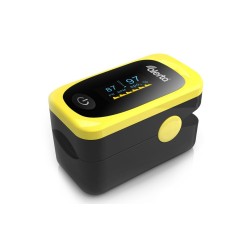
Pulse oximeters provide critical monitoring equipment enabling non-invasive oxygen saturation measurement supporting respiratory assessment across hospitals, GP surgeries, care homes, clinics, and home care settings throughout England, Scotland, Wales, and Northern Ireland. These vital devices measure peripheral oxygen saturation (SpO2) and heart rate through optical sensors detecting oxygen levels in blood, identifying respiratory compromise, monitoring chronic respiratory conditions, and supporting acute illness assessment. Healthcare environments rely on pulse oximeters for routine vital signs monitoring, respiratory disease management, post-operative monitoring, emergency assessment, sepsis screening, and home oxygen therapy monitoring. Modern pulse oximeters incorporate features including digital displays showing SpO2 and pulse rate clearly, rapid measurement providing immediate results, alarm functions alerting to low oxygen levels, perfusion indicators showing signal quality, and varied designs including fingertip, handheld, and continuous monitoring types. The provision of accurate reliable pulse oximeters supports evidence-based care through quality respiratory data, enables early detection of respiratory deterioration, facilitates appropriate clinical decisions, and demonstrates professional clinical practice meeting monitoring standards across professional healthcare environments.
The implementation of appropriate pulse oximeters directly supports CQC compliance through accurate respiratory monitoring, early deterioration detection, and demonstration of appropriate clinical equipment provision. Inadequate oxygen monitoring compromises patient safety through missed hypoxaemia potentially causing organ damage, delayed recognition of respiratory deterioration, and inappropriate oxygen therapy administration. Professional pulse oximeters address these challenges through validated accurate SpO2 measurement, reliable performance across varied patient conditions, rapid results enabling timely interventions, and user-friendly operation supporting consistent monitoring. Clinical applications include respiratory disease monitoring tracking COPD or asthma control, acute illness assessment detecting pneumonia or sepsis, post-operative monitoring identifying respiratory complications, emergency care initial assessment, and home oxygen therapy ensuring appropriate oxygen levels. Healthcare organisations benefit from reliable pulse oximeters through confident respiratory assessment, early problem detection enabling timely interventions preventing deterioration, appropriate oxygen therapy titration avoiding under or over-oxygenation, and regulatory compliance meeting equipment standards. Modern pulse oximeters incorporate advanced features such as motion resistance, low perfusion performance, and wireless connectivity throughout England, Scotland, Wales, and Northern Ireland.
Selecting and implementing pulse oximeters requires assessment of clinical requirements, appropriate equipment specification, and establishment of quality monitoring protocols across healthcare facilities throughout the UK. Organisations should evaluate usage patterns determining whether spot-check fingertip oximeters or continuous monitoring systems are appropriate, assess patient populations influencing sensor type selection, and consider clinical requirements including alarm features and data connectivity. Equipment selection should prioritise clinically validated oximeters meeting accuracy standards particularly in low saturation ranges, appropriate sensor type for intended population with adult sensors versus paediatric or neonatal options, rapid measurement and display updating, and reliable performance in challenging conditions including poor perfusion or movement. Implementation protocols must encompass staff training on correct measurement technique including appropriate sensor positioning, recognition of unreliable readings, and result interpretation considering clinical context. Quality assurance measures should include regular accuracy verification, documented testing schedules, cleaning protocols between patients, and monitoring of oximetry practices. Modern pulse oximeters incorporate features such as colour graphic displays, trend recording, and Bluetooth connectivity. Organisations should establish monitoring protocols standardising measurement practice, determine appropriate monitoring frequencies with continuous monitoring in acute illness or spot checks in routine surveillance, and integrate SpO2 data into early warning scores and clinical decision-making. Clinical teams should understand normal SpO2 ranges varying with conditions including COPD patients having different targets, interpretation considering clinical context, and recognition that oximetry complements clinical assessment rather than replacing it. Staff education should address limitations including unreliable readings from poor perfusion, nail polish, or movement, appropriate troubleshooting, and recognition when arterial blood gas analysis is required. Documentation systems should record SpO2 readings enabling trend analysis and deterioration recognition. By maintaining calibrated pulse oximeters and implementing professional monitoring protocols, healthcare organisations throughout England, Scotland, Wales, and Northern Ireland demonstrate their commitment to CQC standards, accurate respiratory monitoring, early deterioration detection, and provision of reliable equipment supporting clinical assessment and decision-making enabling appropriate patient management and oxygen therapy across all care settings.