Clinical Mobility Equipment

Subcategories

  • Wheelchairs

    Essential Mobility Solutions for Independence and Safe Transport

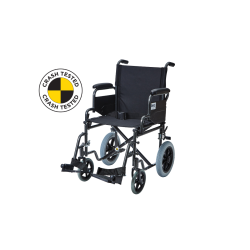
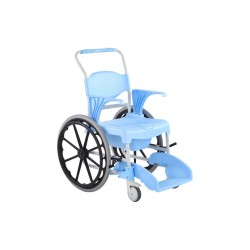
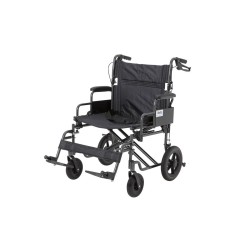
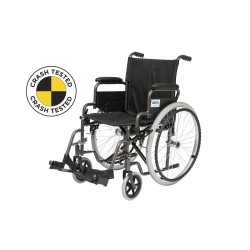
    Wheelchairs provide fundamental mobility equipment enabling independence and safe transport for individuals with mobility limitations across hospitals, care homes, rehabilitation facilities, and community settings throughout England, Scotland, Wales, and Northern Ireland. These essential mobility aids encompass transit wheelchairs designed for attendant pushing, self-propelled wheelchairs enabling user control, lightweight folding models facilitating transport and storage, bariatric wheelchairs accommodating higher weight capacities, and specialist wheelchairs addressing specific clinical needs including pressure care or postural support requirements. Healthcare and social care environments rely on wheelchairs for supporting patients and residents with temporary or permanent mobility limitations, facilitating safe transfers between locations, enabling participation in activities and outings, preventing falls and injury amongst those unable to walk safely, and maintaining independence and dignity through appropriate mobility provision. Modern wheelchairs incorporate features including ergonomic designs promoting comfort during extended use, puncture-proof tyres reducing maintenance requirements, easy-folding mechanisms simplifying transport and storage, and varied accessories enabling customisation. The provision of appropriate wheelchairs supports person-centred care through mobility enabling independence, prevents social isolation by facilitating participation, and demonstrates commitment to disability inclusion across professional care environments.

    The implementation of appropriate wheelchair provision directly supports CQC compliance through falls prevention, maintenance of independence, and demonstration of person-centred care addressing individual mobility needs. Individuals with mobility limitations lacking appropriate wheelchair access face serious challenges including falls risks when attempting to walk beyond safe capabilities, social isolation when mobility limitations prevent participation, loss of independence requiring assistance for all movement, and psychological distress from activity restriction. Wheelchairs address these challenges by providing safe mobility alternatives to unsafe walking, enabling participation in activities and social interactions, supporting independence through self-propulsion where possible, and maintaining dignity through appropriate equipment provision. Clinical applications include post-operative mobility enabling safe movement during recovery, stroke rehabilitation supporting mobility whilst function improves, progressive neurological conditions maintaining mobility as disease advances, temporary injury providing mobility during healing, and frailty management preventing falls whilst preserving activity. Care organisations benefit from reduced falls incidents when appropriate wheelchairs are provided, enhanced resident satisfaction through maintained independence and activity participation, and improved quality indicators through falls prevention and activity engagement. Modern wheelchairs incorporate features such as adjustable components accommodating individual needs, pressure-relieving cushions reducing injury risks, and attendant brakes enhancing safety throughout England, Scotland, Wales, and Northern Ireland.

    Selecting and implementing wheelchairs requires individual assessment, appropriate equipment specification, and integration with mobility management strategies across healthcare and social care facilities throughout the UK. Organisations should conduct comprehensive assessments determining mobility limitations, user capabilities influencing self-propelled versus transit selection, environmental factors including where wheelchairs will be used, and clinical needs such as pressure care or postural support requirements. Equipment selection should consider user weight determining required capacity, seat dimensions ensuring appropriate fit, folding requirements facilitating transport and storage, and clinical features such as pressure-relieving cushions. Implementation protocols must encompass staff training on safe wheelchair use including pushing techniques preventing musculoskeletal injury, transfer procedures supporting safe movement to and from wheelchairs, and maintenance requirements ensuring continued safety. Quality assurance measures should include regular wheelchair checks ensuring mechanical safety and proper function, documented maintenance schedules, cleaning protocols preventing cross-contamination particularly for shared wheelchairs, and monitoring of wheelchair-related incidents. Modern wheelchairs incorporate features such as attendant-controlled brakes, anti-tip devices preventing backwards falls, and ergonomic push handles reducing staff injury risks. Organisations should establish wheelchair management systems tracking equipment allocation and maintenance, determine appropriate wheelchair-to-user ratios based on needs assessment, and implement procedures ensuring availability when required. Individual care plans should document wheelchair requirements, mobility capabilities, and any restrictions on independent use. Staff education should address recognition of inappropriate wheelchair use including incorrect sizing causing discomfort or pressure injuries, unsafe transfers risking falls, and deteriorating equipment requiring maintenance. By maintaining appropriate wheelchair fleets and implementing professional mobility management protocols, healthcare and social care organisations throughout England, Scotland, Wales, and Northern Ireland demonstrate their commitment to CQC standards, falls prevention through appropriate mobility provision, independence maintenance supporting quality of life, and inclusive care enabling full participation for all individuals regardless of mobility limitations across care environments.

  • Walking Aids

    Essential Mobility Support for Safe, Independent Walking

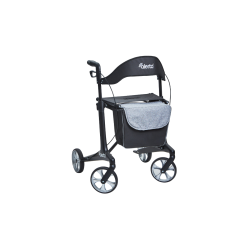
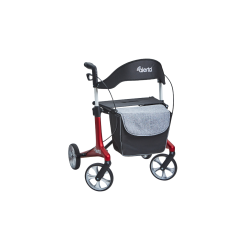
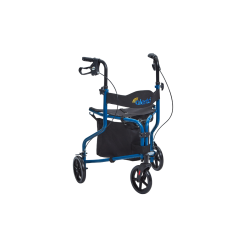
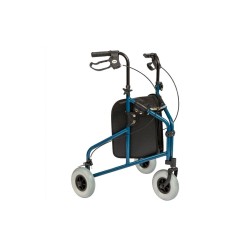
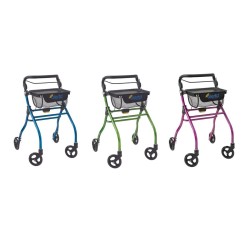
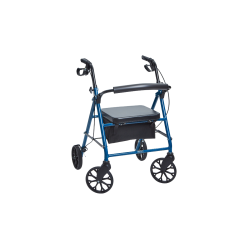
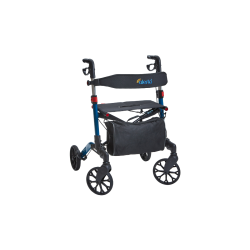
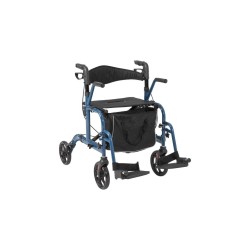
    Walking aids provide crucial mobility support enabling safe, independent walking for individuals with balance difficulties, lower limb weakness, or conditions affecting mobility across hospitals, care homes, rehabilitation facilities, and community settings throughout England, Scotland, Wales, and Northern Ireland. These essential mobility devices encompass walking sticks offering minimal support for slight balance issues, walking frames providing substantial stability for significant mobility limitations, crutches supporting weight relief following injury or surgery, rollators combining stability with wheeled convenience, and specialist walking aids addressing specific clinical needs. Healthcare and social care environments serve individuals with temporary mobility limitations during recovery from illness or injury, permanent conditions such as arthritis or neurological disorders affecting walking ability, age-related mobility decline requiring additional support, post-operative patients requiring temporary assistance, and individuals with progressive conditions necessitating increasing support. The appropriate provision of walking aids prevents falls through stability enhancement, maintains independence by enabling safe walking, supports rehabilitation through graduated mobility support, and demonstrates person-centred care through individual assessment and equipment provision. Modern walking aids incorporate features including ergonomic handles reducing hand strain, height adjustability accommodating varied users, lightweight materials facilitating easy use, and robust construction ensuring safety across professional care environments.

    The implementation of appropriate walking aids directly supports CQC compliance through falls prevention, independence maintenance, and demonstration of person-centred mobility management. Individuals experiencing mobility difficulties lacking appropriate walking aids face serious challenges including high falls risk when attempting to walk without adequate support, loss of independence when mobility limitations prevent safe walking, reduced quality of life through activity restriction, and potential injury from falls causing fractures or head injuries. Walking aids address these challenges by providing stability support reducing falls risk, enabling continued walking maintaining independence and activity, delivering graduated support matching individual needs from minimal stick support to substantial frame stability, and preventing deterioration through maintained mobility. Clinical applications include post-operative mobilisation supporting safe walking during recovery, stroke rehabilitation enabling walking whilst function improves, arthritis management reducing joint loading, frailty support preventing falls whilst maintaining mobility, and progressive neurological conditions providing increasing support as disease advances. Care organisations benefit from reduced falls incidents when appropriate walking aids are provided, enhanced satisfaction through maintained independence, improved quality indicators through activity engagement, and reduced hospital admissions from fall-related injuries. Modern walking aids incorporate safety features including non-slip ferrules, reflective elements enhancing visibility, and height indicators ensuring correct adjustment throughout England, Scotland, Wales, and Northern Ireland.

    Selecting and implementing walking aids requires comprehensive individual assessment, appropriate equipment specification, and integration with mobility management strategies across healthcare and social care facilities throughout the UK. Practitioners should conduct mobility assessments evaluating balance, strength, coordination, and specific limitations, assess environmental factors including where aids will be used, consider user preferences influencing compliance, and determine appropriate support level from minimal to maximum. Equipment selection should prioritise appropriate aid type matching assessed needs, correct height ensuring proper posture and safe use, suitable handle design accommodating hand conditions, and appropriate features such as folding capability for transport. Implementation protocols must encompass professional fitting ensuring correct height adjustment, user training on safe walking aid use including technique and stair negotiation, and staff education on assisting individuals using aids. Quality assurance measures should include regular equipment checks ensuring mechanical safety particularly ferrules and height adjustment mechanisms, documented maintenance schedules, monitoring of walking aid-related incidents, and reassessment of needs as conditions change. Modern walking aids incorporate features such as anatomical handles, shock-absorbing tips, and innovative designs. Organisations should establish walking aid management systems tracking equipment allocation and maintenance, determine appropriate stock levels based on needs assessment, and implement procedures ensuring timely provision. Individual care plans should document walking aid requirements, mobility capabilities, and any restrictions or precautions. Staff education should address recognition of inappropriate walking aid use including incorrect height causing poor posture, worn ferrules compromising safety, and changed user needs requiring reassessment. Environmental considerations should ensure clear walkways, appropriate flooring, and adequate storage. By maintaining appropriate walking aid provision and implementing professional mobility management protocols, healthcare and social care organisations throughout England, Scotland, Wales, and Northern Ireland demonstrate their commitment to CQC standards, falls prevention through appropriate mobility support, independence maintenance supporting quality of life, and person-centred care enabling safe, dignified mobility for all individuals experiencing walking difficulties across care environments.

  • Bathroom and Toilet Aids

    Essential Equipment for Bathroom Safety and Independence

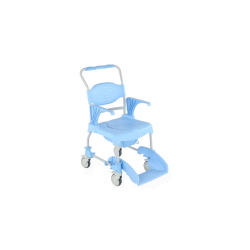
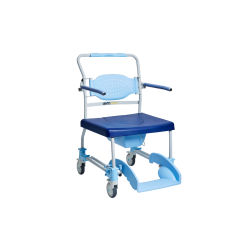
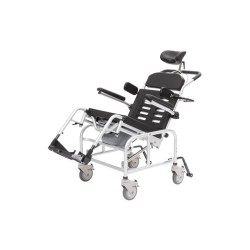
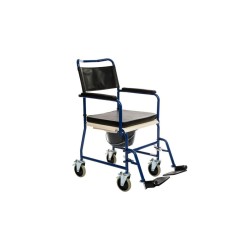
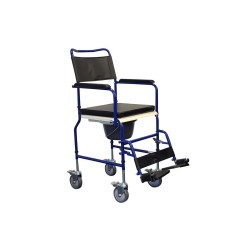
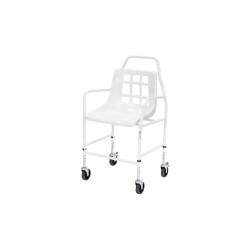
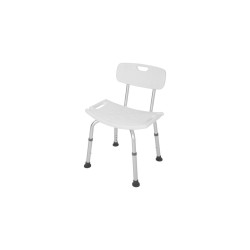
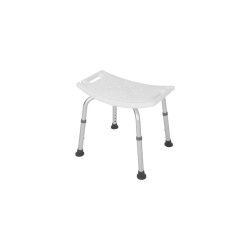
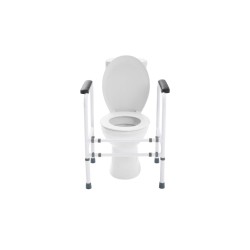
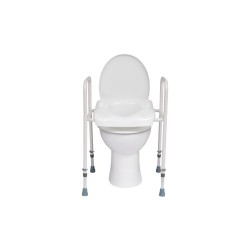
    Bathroom and toilet aids provide crucial equipment supporting safety, hygiene, and independence during bathroom activities across care homes, hospitals, and home care environments throughout England, Scotland, Wales, and Northern Ireland. These specialised products encompass raised toilet seats facilitating easier transfers, grab rails providing stability support, shower chairs enabling safe seated washing, bath lifts supporting safe bathing, commodes offering toileting solutions where bathroom access proves difficult, and varied accessories enhancing bathroom safety and functionality. Care environments serve individuals with mobility limitations, balance difficulties, post-operative restrictions, frailty affecting bathroom safety, and progressive conditions requiring environmental adaptations. The appropriate provision of bathroom aids prevents falls in high-risk environments, enables independence in personal care activities supporting dignity, facilitates safe intimate care delivery for care staff, and demonstrates person-centred environmental adaptation. Modern bathroom aids incorporate features including infection-control friendly materials facilitating thorough cleaning, ergonomic designs promoting safe use, adjustable components accommodating varied needs, and robust construction supporting clinical use across professional care environments.

    The implementation of bathroom and toilet aids directly supports CQC compliance through falls prevention in high-risk environments, dignity maintenance through independence support, and demonstration of appropriate environmental adaptation meeting individual needs. Bathrooms represent the highest-risk domestic environment for falls, with wet surfaces, transfers to and from toilets and baths, and frequent use by vulnerable individuals creating significant hazards. Bathroom aids address these risks by providing stability support through strategically positioned grab rails, reducing transfer difficulty through raised toilet seats decreasing required movement range, enabling safe bathing through shower chairs and bath lifts, and preventing falls through comprehensive environmental modification. Clinical benefits include maintained independence supporting dignity and quality of life, reduced care staff requirements when individuals can manage independently, and prevented injuries avoiding harm and associated treatment costs. Care organisations benefit from reduced falls incidents particularly preventing serious bathroom falls, enhanced resident satisfaction through maintained independence, and improved CQC ratings through effective environmental risk management. Modern bathroom aids incorporate features such as antimicrobial surfaces, slip-resistant components, and tool-free installation throughout England, Scotland, Wales, and Northern Ireland.

    Selecting and implementing bathroom aids requires comprehensive assessment of individual needs, bathroom environments, and appropriate equipment specification across care and home settings throughout the UK. Practitioners should conduct bathroom risk assessments evaluating specific hazards, assess individual capabilities determining required support level, measure bathroom dimensions ensuring equipment fits appropriately, and consider clinical needs such as post-operative restrictions or progressive conditions. Equipment selection should prioritise appropriate height adjustments, weight capacity matching user requirements, infection-control compatible materials, and suitable designs for specific bathrooms. Implementation protocols must encompass professional installation ensuring secure fitting particularly for weight-bearing equipment, staff training on assisting individuals using bathroom aids, and regular equipment checks maintaining safety. Quality assurance measures should include documented installation records, periodic safety inspections particularly for fixed equipment, cleaning protocols maintaining hygiene, and monitoring of bathroom-related incidents. Modern bathroom aids incorporate features such as padded surfaces enhancing comfort, folding designs optimising space use, and clearly marked weight limits. Organisations should establish assessment protocols ensuring appropriate bathroom adaptation, integrate bathroom equipment into care planning and risk assessments, and maintain equipment inventories tracking provision and maintenance. Individual care plans should document bathroom aids provided and any supervision requirements. Staff education should address recognition of inappropriate equipment including incorrect height causing difficulty rather than assistance, worn equipment requiring replacement, and changed user needs requiring reassessment. Environmental considerations should include bathroom layout optimisation, adequate space around equipment, and appropriate lighting. By implementing comprehensive bathroom and toilet aids alongside professional assessment and installation protocols, care and home care organisations throughout England, Scotland, Wales, and Northern Ireland demonstrate their commitment to CQC standards, falls prevention in high-risk environments, dignity through independence maintenance, and person-centred environmental adaptation supporting safe, independent bathroom use enabling individuals to maintain personal care activities with appropriate support rather than dependence across all care settings.

Active filters