Bathroom Safety Equipment
Subcategories
Patient Comfort and...
Essential Support for Safe Patient Positioning and Comfort
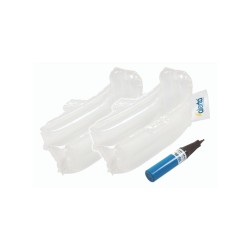
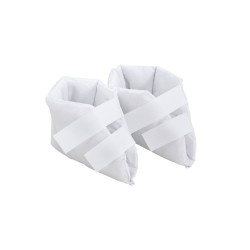
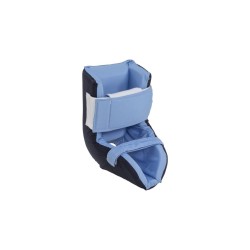
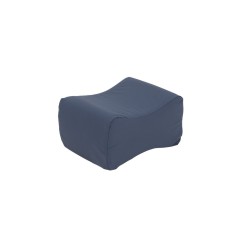
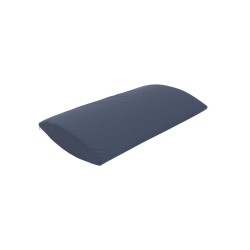
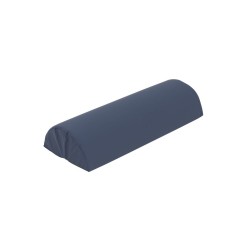
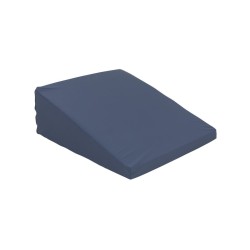
Patient comfort and positioning aids provide essential support for maintaining safe posture, preventing pressure injuries, and enhancing comfort across hospitals, care homes, clinics, and community care settings throughout England, Scotland, Wales, and Northern Ireland. These specialised products encompass positioning wedges supporting optimal body alignment, pressure-relieving cushions preventing tissue damage, limb supports maintaining therapeutic positions, head and neck positioning devices ensuring safe alignment, and specialist positioning systems addressing complex clinical needs. Professional care environments rely on comprehensive positioning solutions to support patients with limited mobility, those recovering from surgery, individuals with neurological conditions affecting positioning, and patients requiring extended bed or chair rest. The strategic use of positioning aids reduces pressure injury risks, maintains joint mobility, prevents contracture development, supports respiratory function through optimal positioning, and enhances patient comfort during extended care periods. Modern positioning products incorporate pressure-redistributing materials, antimicrobial covers supporting infection control, adjustable designs accommodating individual patient needs, and durable construction withstanding clinical use across professional care environments.
The implementation of appropriate patient comfort and positioning aids directly supports CQC compliance through pressure injury prevention, patient safety enhancement, and demonstration of person-centred care approaches. Pressure injuries represent serious complications associated with poor positioning, causing patient suffering and significant treatment costs. Positioning aids enable care teams to implement evidence-based pressure injury prevention strategies, redistributing pressure across vulnerable areas including heels, sacrum, and bony prominences. Clinical guidelines emphasise the importance of pressure relief, regular repositioning, and appropriate support surfaces in preventing tissue damage. Beyond pressure injury prevention, positioning aids support therapeutic goals including maintaining joint range of motion, facilitating respiratory function through optimal positioning for breathless patients, supporting post-operative recovery through appropriate surgical site positioning, and enhancing comfort for patients experiencing pain or discomfort. Care environments benefit from reduced pressure injury incidence when comprehensive positioning strategies are implemented, decreasing patient harm and associated costs. The availability of varied positioning products ensures clinical teams can address diverse patient needs, from bariatric positioning requiring enhanced support to paediatric positioning demanding smaller-scale solutions throughout England, Scotland, Wales, and Northern Ireland.
Selecting appropriate patient comfort and positioning aids requires assessment of individual patient needs, clinical objectives, and care environment capabilities across hospitals, care homes, and community settings throughout the UK. Clinical teams should evaluate patient mobility levels, skin integrity, body dimensions, specific medical conditions affecting positioning requirements, and duration of positioning support needed. Implementation protocols should encompass staff training on proper positioning aid use including correct placement techniques, integration with regular repositioning schedules, monitoring for complications such as skin reddening or discomfort, and documentation of positioning interventions. Quality assurance measures should include regular pressure injury audits, evaluation of positioning aid effectiveness, patient comfort assessments, and review of positioning protocols. Stock management must ensure appropriate quantities of varied positioning aids accommodating different patient sizes and clinical needs. Modern positioning aids incorporate features such as fluid-resistant covers facilitating cleaning, clearly marked positioning guides supporting correct use, and modular designs enabling customised positioning solutions. Care teams should integrate positioning aids with comprehensive care approaches including nutrition support, skin care protocols, and mobilisation programmes. Documentation systems should record positioning interventions, enabling demonstration of pressure injury prevention efforts and quality improvement initiatives. By maintaining comprehensive patient comfort and positioning aid supplies and implementing evidence-based positioning protocols, care organisations throughout England, Scotland, Wales, and Northern Ireland demonstrate their commitment to CQC standards, patient safety, pressure injury prevention, and the delivery of comfortable, dignified care that supports optimal clinical outcomes whilst prioritising patient wellbeing throughout their care journey.
Incontinence Products
Comprehensive Continence Care Solutions for Dignity and Comfort
Incontinence products provide essential continence management solutions supporting dignity, hygiene, and quality of life for individuals across hospitals, care homes, and home care settings throughout England, Scotland, Wales, and Northern Ireland. These specialised products encompass disposable absorbent pads offering convenient single-use protection, incontinence pants providing discreet underwear alternatives, bed protection products preventing mattress contamination, washable products offering sustainable reusable options, and specialist continence care items including cleansing products and skin protection. Professional care environments serve diverse populations requiring continence support including elderly individuals with age-related continence changes, patients with neurological conditions affecting bladder or bowel control, individuals recovering from surgery or acute illness, people with dementia who may not recognise continence needs, and those with physical disabilities limiting toilet access. The appropriate provision of continence products supports person-centred care approaches respecting dignity whilst managing continence needs effectively, prevents skin damage through proper protection and hygiene, maintains infection control through appropriate product selection and disposal, and enables individuals to participate in activities with confidence despite continence challenges across professional care environments.
The implementation of comprehensive incontinence product provision directly supports CQC compliance through dignity maintenance, skin integrity protection, infection prevention, and demonstration of person-centred care approaches. Poor continence management causes serious complications including pressure injuries through prolonged skin contact with moisture, urinary tract infections from inadequate hygiene, skin infections and fungal conditions from inappropriate products, and psychological distress from undignified continence care. Clinical guidelines emphasise thorough continence assessment, appropriate product selection matching individual needs, regular changing schedules preventing prolonged exposure, and proper skin care preventing moisture damage. Healthcare organisations benefit from comprehensive continence product provision through reduced pressure injury rates when moisture is effectively managed, decreased infection incidence supporting antimicrobial stewardship, and enhanced patient satisfaction through dignified care delivery. Modern incontinence products incorporate advanced absorbent materials locking moisture away from skin, odour control technologies maintaining discretion, breathable covers preventing heat and moisture accumulation, and anatomically shaped designs ensuring comfortable fit and leak prevention throughout England, Scotland, Wales, and Northern Ireland.
Selecting appropriate incontinence products requires individual assessment, product knowledge, and integration with comprehensive continence care strategies across healthcare facilities throughout the UK. Clinical teams should assess continence patterns determining product absorbency requirements, evaluate mobility levels influencing product type selection, consider skin condition requiring specific product features, and respect individual preferences supporting dignity and choice. Product selection should encompass varied absorbencies from light protection to heavy incontinence, different styles including pads, pants, and all-in-one products, gender-specific options addressing anatomical differences, and sizes accommodating varied body dimensions. Implementation protocols must include staff training on continence assessment, appropriate product selection, correct fitting techniques ensuring effectiveness and comfort, and skin care protocols preventing damage. Quality assurance measures should encompass regular continence audits, monitoring of skin integrity particularly in incontinent individuals, evaluation of product effectiveness through leak incidents, and cost-effectiveness analysis balancing product prices against changing frequency. Modern incontinence products incorporate features such as wetness indicators showing when changes are needed, elasticated leg gathers preventing leakage, and discreet designs supporting dignity. Organisations should implement individualised changing schedules based on assessment rather than fixed routines, provide adequate storage for continence products ensuring availability, and establish appropriate disposal systems managing clinical waste. Staff education should address dignity considerations including privacy during changes, communication approaches for individuals with cognitive impairment, and skin care techniques preventing damage. By maintaining comprehensive incontinence product supplies and implementing professional continence care protocols, healthcare organisations throughout England, Scotland, Wales, and Northern Ireland demonstrate their commitment to CQC standards, dignity in care, skin integrity protection, and the provision of person-centred continence management that respects individual needs whilst delivering effective, hygienic care supporting quality of life and wellbeing.