Incontinence Products
Subcategories
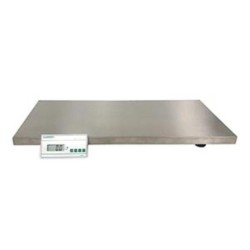
Medical Floor Scales
Accurate Standing Patient Weighing for Clinical Monitoring
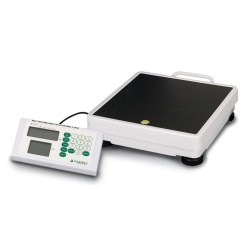
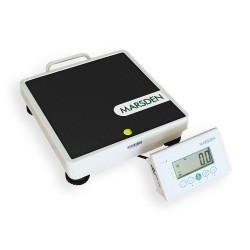
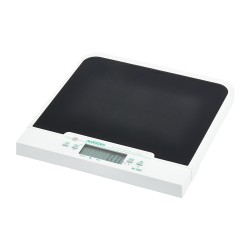
Medical floor scales provide essential patient weighing capabilities for hospitals, clinics, care homes, and healthcare facilities throughout England, Scotland, Wales, and Northern Ireland. These professional weighing devices feature robust platforms supporting safe patient standing during weight measurement, accurate weighing mechanisms meeting medical device standards, clear digital displays facilitating reading, and appropriate capacity ranges accommodating varied patient sizes. Healthcare environments rely on medical floor scales for applications including patient weight monitoring tracking changes over time, medication dosing calculations requiring accurate weight data, nutritional assessment supporting dietary interventions, fluid balance management in cardiac or renal patients, and clinical trials requiring precise weight measurement. Modern medical floor scales incorporate features including tare functions enabling weighing with mobility aids, body mass index calculation providing additional clinical data, data connectivity transferring weights to electronic records, and stable platform designs supporting safe patient positioning. The availability of accurate medical floor scales supports evidence-based care through reliable clinical data, enables appropriate treatment decisions based on accurate weights, and demonstrates professional clinical practice meeting quality standards across professional healthcare environments.
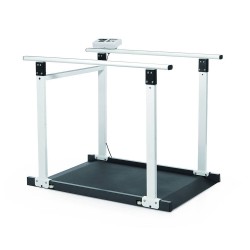
The provision of appropriate medical floor scales directly supports CQC compliance through accurate clinical measurement, patient safety during weighing procedures, and demonstration of appropriate equipment provision meeting professional standards. Inaccurate patient weights compromise clinical care through incorrect medication dosing potentially causing harm, inappropriate nutritional interventions based on faulty data, and failure to detect significant weight changes indicating clinical deterioration. Regulatory expectations include provision of appropriately calibrated weighing equipment meeting medical device standards, regular maintenance and calibration ensuring continued accuracy, and safe weighing procedures preventing patient falls or injury. Healthcare organisations benefit from reliable medical floor scales through confident clinical decision-making based on accurate data, reduced risks of dosing errors particularly for critical medications, and appropriate resource allocation through timely detection of weight-related health changes. Clinical evidence demonstrates that regular patient weighing enables early detection of conditions including heart failure through fluid retention, malnutrition through unintentional weight loss, and medication side effects affecting weight. Modern medical floor scales incorporate safety features including non-slip platform surfaces preventing slips during weighing, handrails providing stability support for unsteady patients, and low platform heights enabling safe mounting and dismounting throughout England, Scotland, Wales, and Northern Ireland.
Selecting and implementing medical floor scales requires assessment of weighing needs, appropriate equipment specification, and establishment of quality assurance protocols across healthcare facilities throughout the UK. Organisations should evaluate patient populations determining required weight capacity, assess clinical requirements identifying necessary features such as BMI calculation or data connectivity, and consider environmental factors including available space and electrical supply. Equipment selection should prioritise medical device certified scales meeting accuracy standards, robust construction withstanding clinical use, appropriate capacity ranges typically 250-300kg for general use, and clear displays readable from varied positions. Implementation protocols must encompass staff training on correct scale operation including patient positioning, tare function use for mobility aids, and recording procedures ensuring data accuracy. Quality assurance measures should include regular calibration schedules maintaining accuracy typically annually using certified weights, documented maintenance records demonstrating compliance, cleaning protocols preventing cross-contamination, and monitoring of scale-related incidents. Modern medical floor scales incorporate features such as wireless connectivity eliminating data transcription errors, rechargeable batteries providing mobility, and antimicrobial coatings supporting infection control. Organisations should establish weighing protocols standardising procedures across staff, determine appropriate weighing frequencies for different patient groups, and integrate weights into clinical decision-making processes. Documentation systems should record regular calibration, staff training, and clinical use. Clinical teams should consider patients with specific needs including bariatric patients requiring higher capacity scales, wheelchair users needing alternative weighing methods, and anxious patients requiring reassurance during procedures. By maintaining calibrated medical floor scales and implementing professional weighing protocols, healthcare organisations throughout England, Scotland, Wales, and Northern Ireland demonstrate their commitment to CQC standards, clinical measurement accuracy, patient safety, and the provision of reliable equipment supporting evidence-based care decisions through accurate patient weight monitoring that enables appropriate clinical interventions and medication management across all care settings.
Hoist Weighing Scale...
Integrated Weighing During Patient Hoisting Procedures
Hoist weighing scale attachments provide innovative weighing solutions that integrate weight measurement directly into patient hoisting equipment, serving hospitals, care homes, rehabilitation facilities, and healthcare services throughout England, Scotland, Wales, and Northern Ireland. These specialised weighing systems attach to existing patient hoists or comprise weighing mechanisms built into hoist slings, enabling accurate weight measurement during routine patient lifting and transfer procedures without requiring separate weighing equipment or additional patient handling. Healthcare environments utilise hoist weighing attachments for monitoring patients requiring regular hoisting for mobility, tracking weights of immobile patients unable to use conventional scales, managing bariatric patients whose size exceeds standard weighing equipment, supporting palliative care monitoring through minimal-disturbance weighing integrated with care activities, and enhancing efficiency through dual-purpose equipment serving both transfer and weighing functions. Modern hoist weighing attachments incorporate features including high accuracy despite dynamic weighing environments, digital displays readable during procedures, compatibility with standard hoist systems, and appropriate capacities accommodating bariatric patients. The provision of hoist weighing capability ensures comprehensive weight monitoring across all patient populations including those with severe mobility limitations, prevents discrimination by providing accessible weighing for patients unable to use conventional scales, and supports efficient clinical workflow through integration of weighing with necessary care activities across professional healthcare environments.
The implementation of hoist weighing scale attachments directly supports CQC compliance through enhanced patient safety eliminating additional handling solely for weighing, efficient use of care staff time, and demonstration of innovative approaches to clinical monitoring for vulnerable patient groups. Traditional weighing approaches for hoisted patients require two separate procedures: transfers for care or mobility purposes, and additional separate transfers specifically for weighing. This duplication increases manual handling risks for patients and staff, consumes valuable care time often resulting in weighing being deferred or omitted, and causes additional distress for patients undergoing multiple transfers. Hoist weighing attachments address these challenges by combining transfer and weighing in single procedures, eliminating unnecessary patient handling reducing safety risks and distress, enabling convenient frequent monitoring through integration with routine hoisting, and improving workflow efficiency through time savings. Clinical benefits include regular weight monitoring detecting changes indicating illness or nutritional issues, convenient tracking supporting care planning and intervention evaluation, and comprehensive data despite challenging patient populations. Healthcare organisations benefit from reduced manual handling incidents when unnecessary procedures are eliminated, improved weight monitoring data quality when weighing becomes routine rather than exceptional, and enhanced staff efficiency enabling focus on direct patient care. Modern hoist weighing attachments incorporate advanced features including automatic weight hold capturing measurements despite movement, tare functions compensating for sling weight, and wireless data connectivity throughout England, Scotland, Wales, and Northern Ireland.
Selecting and implementing hoist weighing scale attachments requires assessment of existing hoist equipment, appropriate system specification, and integration with care protocols across healthcare facilities throughout the UK. Organisations should evaluate their patient hoist infrastructure determining compatibility requirements and whether retrofitting existing hoists or purchasing integrated hoist-scale systems proves more appropriate, assess patient populations identifying volumes requiring both hoisting and regular weighing, and calculate potential efficiency gains and safety improvements. Equipment selection should prioritise compatibility with existing hoist models unless replacing entire systems, accuracy specifications meeting clinical requirements, appropriate capacity typically up to 300kg or higher for bariatric applications, and user-friendly displays readable during dynamic transfer procedures. Implementation protocols must encompass comprehensive staff training on system operation during transfers including calibration verification, weight reading during lifting, troubleshooting unstable readings, and appropriate documentation. Quality assurance measures should include regular calibration maintaining accuracy, validation against known weights periodically, cleaning and infection control protocols, and monitoring of both weighing accuracy and transfer safety. Modern hoist weighing attachments incorporate features such as large backlit displays visible in varied lighting, wireless connectivity eliminating trailing cables creating trip hazards, and robust construction withstanding clinical use. Organisations should establish clinical protocols identifying patients benefiting from hoist weighing, standardise procedures ensuring consistent technique across staff, integrate weights into electronic records and care plans, and implement processes triggering interventions for concerning changes. Clinical teams should consider specific populations including bariatric patients requiring high-capacity equipment, palliative care patients benefiting from minimal disturbance, and frail elderly patients for whom additional handling poses significant risks. Staff education should emphasise that hoist weighing attachments complement rather than replace standard scales for ambulant patients, maintaining comprehensive weighing capability across varied patient needs. Maintenance protocols should ensure regular servicing of both hoist and weighing components maintaining safety and accuracy. By implementing hoist weighing scale attachments and integrated weighing protocols, healthcare organisations throughout England, Scotland, Wales, and Northern Ireland demonstrate their commitment to CQC standards, innovative care approaches maximising efficiency whilst maintaining safety, patient-centred care through minimised handling and distress, and comprehensive clinical monitoring enabling early detection of changes across vulnerable patient populations whilst supporting staff through efficient dual-purpose equipment reducing workload and manual handling risks.
Medical Chair Scales
Safe Seated Weighing for Patients with Mobility Limitations
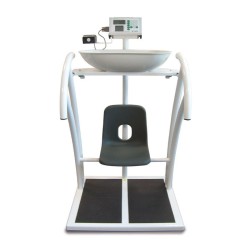
Medical chair scales provide essential weighing solutions for patients unable to stand safely on conventional floor scales, serving hospitals, care homes, rehabilitation facilities, and clinics throughout England, Scotland, Wales, and Northern Ireland. These specialised weighing devices integrate weighing mechanisms into comfortable seating, enabling accurate weight measurement for individuals with mobility limitations, balance difficulties, lower limb weakness, or conditions preventing safe standing. Healthcare environments rely on medical chair scales for weighing elderly patients with reduced mobility, individuals recovering from surgery or illness affecting standing ability, patients with neurological conditions causing balance problems, wheelchair users requiring alternative weighing methods, and bariatric patients needing secure seated weighing. Modern medical chair scales incorporate features including fold-down armrests facilitating easier transfers, stable chair construction providing secure patient positioning, accurate weighing systems meeting medical standards, and appropriate weight capacities accommodating varied patient sizes. The provision of chair scales ensures inclusive weighing capability across patient populations, prevents discrimination by disability through accessible measurement methods, and supports patient safety by eliminating risks associated with attempting standing weighs for unstable patients across professional healthcare environments.
The implementation of medical chair scales directly supports CQC compliance through accessible patient care, safety enhancement during weighing procedures, and demonstration of appropriate equipment provision meeting diverse patient needs. Healthcare organisations serving patients with mobility limitations face challenges when standing scales represent the only available weighing method, potentially excluding vulnerable patients from regular weight monitoring or causing safety risks through attempted standing for unstable individuals. Medical chair scales address these challenges by providing safe seated weighing eliminating fall risks, enabling weight monitoring for previously difficult-to-weigh patients, supporting dignified care through comfortable weighing experiences, and delivering accurate measurements comparable to standing scales. Clinical benefits include regular weight monitoring detecting changes indicating clinical deterioration, appropriate medication dosing through accurate weights, nutritional assessment supporting dietary interventions, and fluid balance management critical for cardiac or renal patients. Healthcare organisations benefit from reduced weighing-related incidents when appropriate scales are provided matching patient capabilities, improved data capture when all patients can be safely weighed, and enhanced patient satisfaction through dignified, accessible care delivery. Modern medical chair scales incorporate safety features including secure armrests preventing falls, stable bases resisting tipping, and comfortable seating dimensions accommodating varied patient sizes throughout England, Scotland, Wales, and Northern Ireland.
Selecting and implementing medical chair scales requires assessment of patient populations, appropriate equipment specification, and integration with clinical weighing protocols across healthcare facilities throughout the UK. Organisations should evaluate the proportion of patients requiring seated weighing, determining whether chair scales represent occasional needs justifying shared equipment or frequent requirements necessitating dedicated scales in each area. Equipment selection should prioritise appropriate weight capacity typically 250-300kg for general use and higher for bariatric applications, comfortable seating dimensions accommodating varied patient sizes, fold-down armrests enabling easier transfers, and accurate weighing mechanisms meeting medical device standards. Implementation protocols must encompass staff training on safe patient transfers to chair scales, correct scale operation including tare functions and position procedures, and documentation of weights in patient records. Quality assurance measures should include regular calibration maintaining accuracy, documented maintenance records, cleaning protocols preventing cross-contamination, and monitoring of weighing-related incidents. Modern medical chair scales incorporate features such as integrated printers providing weight records, battery operation enabling mobility without power constraints, and antimicrobial upholstery supporting infection control. Organisations should establish clinical protocols identifying which patients require chair scale weighing, standardise weighing procedures across staff, and determine appropriate weighing frequencies. Clinical teams should consider patients with specific needs including bariatric patients requiring higher capacity chair scales, very tall or short individuals needing appropriate seating dimensions, and anxious patients requiring gentle communication during transfers. Storage considerations should enable convenient access encouraging regular use whilst protecting equipment from damage. By maintaining appropriate medical chair scales and implementing professional weighing protocols, healthcare organisations throughout England, Scotland, Wales, and Northern Ireland demonstrate their commitment to CQC standards, accessible patient care, safety during clinical procedures, and the provision of inclusive equipment that enables accurate weight monitoring for all patients regardless of mobility limitations, supporting evidence-based clinical care and person-centred approaches across diverse patient populations.
Professional Baby Scales
Precise Infant Weighing for Growth Monitoring and Clinical Care
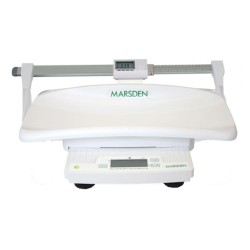
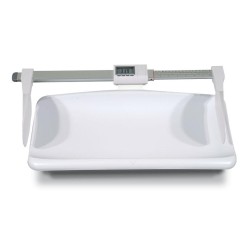
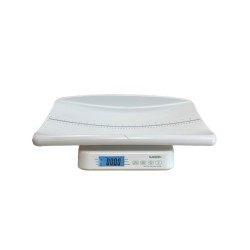
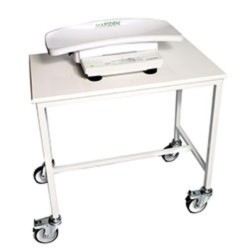
Professional baby scales provide specialised weighing equipment essential for monitoring infant growth, detecting feeding issues, and supporting clinical decision-making across hospitals, maternity units, GP surgeries, health visitor clinics, and community midwifery services throughout England, Scotland, Wales, and Northern Ireland. These purpose-designed weighing devices feature secure infant platforms preventing falls, highly accurate mechanisms detecting small weight changes, appropriate capacity ranges for newborns through toddlers, and clear displays facilitating quick reading during active infant weighing. Healthcare professionals rely on baby scales for applications including birth weight recording establishing baseline measurements, regular weight monitoring tracking growth progress, feeding assessment detecting inadequate intake, illness monitoring identifying significant losses, and developmental screening forming part of child health surveillance. Modern professional baby scales incorporate features including tare functions enabling weighing with blankets or nappies, stable platforms accommodating active infants safely, rapid weight stabilisation reducing weighing time, and data connectivity transferring measurements to electronic records. The availability of accurate baby scales supports early detection of growth concerns, enables appropriate interventions supporting infant health, and demonstrates professional clinical practice meeting paediatric care standards across healthcare environments.
The provision of appropriate professional baby scales directly supports CQC compliance through accurate infant monitoring, early problem detection, and demonstration of appropriate equipment provision meeting paediatric standards. Inaccurate baby weighing compromises infant care through failure to detect faltering growth indicating feeding problems or illness, inappropriate concern from falsely abnormal weights causing parental anxiety, and compromised clinical decisions based on unreliable data. Professional baby scales address these challenges through high-precision weighing detecting changes as small as 5-10 grams, consistent accuracy across the weight range supporting trend analysis, and appropriate platform designs enabling safe infant positioning. Clinical evidence demonstrates that regular baby weighing enables early detection of conditions including inadequate breastfeeding requiring support, dehydration during illness necessitating intervention, and faltering growth indicating underlying health problems. Healthcare organisations benefit from reliable baby scales through confident clinical assessment based on accurate data, appropriate use of specialist services through timely referrals based on concerning weights, and reduced parental anxiety through professional measurement approaches. Modern baby scales incorporate safety features including raised platform edges preventing infant falls, smooth surfaces facilitating cleaning, and stable bases resisting tipping throughout England, Scotland, Wales, and Northern Ireland.
Selecting and implementing professional baby scales requires consideration of clinical requirements, appropriate equipment specification, and establishment of quality assurance protocols across healthcare facilities throughout the UK. Organisations should evaluate their infant weighing needs determining required frequency, assess clinical requirements identifying necessary features such as very high accuracy for neonatal units or basic accuracy for routine child health surveillance, and consider practical factors including portability for community use or fixed installation for clinic settings. Equipment selection should prioritise medical device certified scales meeting paediatric accuracy standards, appropriate capacity typically 20kg accommodating infants through toddlers, clear displays readable during active weighing sessions, and robust construction withstanding clinical use. Implementation protocols must encompass staff training on correct scale operation including proper infant positioning, tare function use for clothing, and appropriate result interpretation. Quality assurance measures should include regular calibration maintaining accuracy typically annually using certified weights, cleaning protocols preventing cross-contamination particularly important in infant care, and monitoring of weighing practices ensuring consistent technique. Modern baby scales incorporate features such as growth chart printing providing parent-friendly records, rechargeable batteries enabling portable use, and UNICEF Baby Friendly Initiative compatible features supporting breastfeeding. Organisations should establish weighing protocols standardising procedures across health visitors and other staff, determine appropriate weighing frequencies following national guidance, and provide parent education about normal weight variations reducing unnecessary anxiety. Clinical teams should consider special populations including premature infants requiring extremely accurate weighing, babies with medical conditions necessitating frequent monitoring, and cultural sensitivities around infant weighing practices. Documentation systems should integrate weights with child health records and growth charts. By maintaining calibrated professional baby scales and implementing evidence-based weighing protocols, healthcare organisations throughout England, Scotland, Wales, and Northern Ireland demonstrate their commitment to CQC standards, infant safeguarding through growth monitoring, professional paediatric practice, and the provision of accurate measurement enabling early problem detection and appropriate interventions supporting optimal infant health and development across all care settings.
Medical Column Scales
Professional Standing Scales for Accurate Clinical Weighing
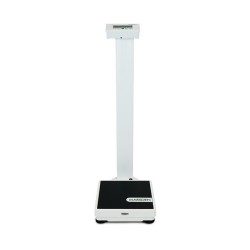
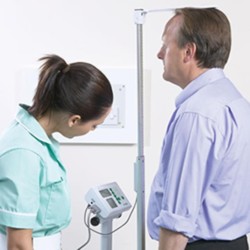
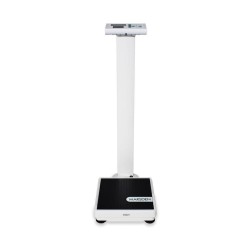
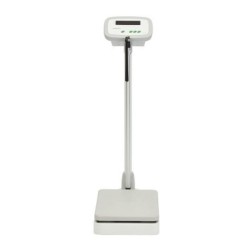
Medical column scales provide professional-grade patient weighing solutions combining accurate weight measurement with height measurement capabilities, serving hospitals, clinics, GP surgeries, and healthcare facilities throughout England, Scotland, Wales, and Northern Ireland. These sophisticated weighing devices feature stable platform bases supporting safe patient standing, precision weighing mechanisms meeting medical standards, integrated height measurement stadiometers enabling body mass index calculation, and prominent vertical column displays facilitating professional appearance and easy reading. Healthcare environments rely on medical column scales for applications including routine patient weight monitoring tracking changes over time, medication dosing calculations requiring accurate weight data, body mass index assessment screening for weight-related health risks, pre-operative assessment gathering baseline measurements, and clinical trials requiring precise weight and height data. Modern medical column scales incorporate features including touchless operation reducing cross-contamination risks, automatic body mass index calculation eliminating manual computation, data connectivity transferring measurements to electronic health records, and robust construction withstanding intensive clinical use. The provision of medical column scales demonstrates professional clinical standards through appropriate equipment investment, supports comprehensive patient assessment through combined weight and height measurement, and enables efficient clinical workflow through integrated measurement capabilities across professional healthcare environments.
The implementation of medical column scales directly supports CQC compliance through accurate clinical measurement, comprehensive patient assessment, and demonstration of appropriate equipment provision meeting professional healthcare standards. Traditional separate weighing and height measurement approaches require multiple steps, increasing time requirements and introducing potential errors through equipment variation or measurement technique differences. Medical column scales address these challenges by integrating weight and height measurement in single equipment, enabling simultaneous data capture eliminating transcription errors, providing automatic BMI calculation supporting clinical interpretation, and delivering professional patient experience through quality equipment. Clinical benefits include comprehensive anthropometric assessment informing clinical decisions, efficient workflow supporting busy clinical environments, and reliable data supporting population health monitoring and clinical audit. Healthcare organisations benefit from integrated measurement approaches through time savings enabling more patients to be assessed, reduced errors from automated calculations, and enhanced data quality supporting clinical governance. Modern medical column scales incorporate advanced features including voice guidance supporting consistent measurement technique, wireless data transmission eliminating manual recording, and various measurement units accommodating different clinical preferences throughout England, Scotland, Wales, and Northern Ireland.
Selecting and implementing medical column scales requires assessment of clinical requirements, appropriate equipment specification, and establishment of quality protocols across healthcare facilities throughout the UK. Organisations should evaluate patient throughput determining whether premium column scales justify investment versus basic floor scales, assess clinical requirements identifying needs for height measurement and BMI calculation, and consider practical factors including available space, electrical supply, and aesthetic preferences. Equipment selection should prioritise medical device certified scales meeting accuracy standards for both weight and height, appropriate capacity typically 250-300kg for general populations, clear displays readable from varied positions, and stable construction ensuring patient safety during measurement. Implementation protocols must encompass staff training on correct scale operation including proper patient positioning for height measurement, equipment calibration verification, and data recording procedures. Quality assurance measures should include regular calibration schedules maintaining accuracy for both weight and height mechanisms, documented maintenance records demonstrating compliance, cleaning protocols preventing cross-contamination, and monitoring of measurement-related incidents. Modern medical column scales incorporate features such as large colour displays improving readability, multiple user profiles enabling personalised settings, and antimicrobial coatings supporting infection prevention. Organisations should establish measurement protocols standardising techniques across staff, determine appropriate measurement frequencies for different patient groups, and integrate anthropometric data into clinical decision-making processes. Clinical teams should consider patients with specific needs including bariatric patients potentially requiring specialist high-capacity equipment, very tall patients needing extended height measurement range, and patients with mobility issues requiring scales with handrails. Documentation systems should record calibration, staff training, and clinical use demonstrating quality assurance. By maintaining calibrated medical column scales and implementing professional measurement protocols, healthcare organisations throughout England, Scotland, Wales, and Northern Ireland demonstrate their commitment to CQC standards, accurate clinical assessment, comprehensive patient monitoring, and the provision of professional equipment that supports efficient, reliable anthropometric measurement enabling evidence-based clinical decisions and population health monitoring across all care settings.
Medical Bed Scales
Safe Patient Weighing Without Transfers or Movement
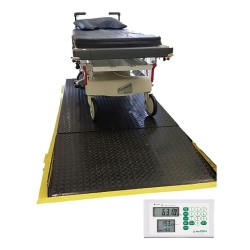
Medical bed scales provide essential weighing capabilities for patients who cannot be safely transferred to conventional weighing equipment, serving intensive care units, high dependency areas, hospices, and care facilities throughout England, Scotland, Wales, and Northern Ireland. These specialised weighing systems enable accurate weight measurement whilst patients remain in bed, utilising weighing mechanisms integrated into bed structures or portable systems placed under existing beds. Healthcare environments rely on bed scales for weighing critically ill patients requiring continuous monitoring, immobile patients for whom transfers pose risks, palliative care patients requiring minimal disturbance, bariatric patients exceeding conventional scale capacities, and intensive care patients connected to life-support equipment preventing transfers. Modern medical bed scales incorporate features including high accuracy despite challenging measurement environments, tare functions compensating for bed equipment weight, data connectivity integrating weights into electronic records, and various designs accommodating different bed types. The availability of bed weighing capability ensures inclusive weight monitoring across all patient populations, prevents safety risks associated with unnecessary patient transfers, and supports evidence-based care through reliable weight data for vulnerable patients across professional healthcare environments.
The implementation of medical bed scales directly supports CQC compliance through patient safety enhancement, accessible clinical care for all patients, and demonstration of appropriate equipment provision meeting complex care needs. Critically ill or immobile patients traditionally face two inadequate options: transfers to conventional scales risking patient deterioration and safety incidents, or absence of weight monitoring compromising clinical care through missing crucial data. Medical bed scales address this dilemma by enabling safe in-bed weighing eliminating transfer risks, providing accurate weight data supporting clinical decisions, delivering dignified care through minimal patient disturbance, and enabling frequent monitoring detecting early changes. Clinical applications include intensive care weight tracking detecting fluid retention or losses, renal care monitoring supporting dialysis management, cardiac care weight surveillance detecting heart failure exacerbations, critical care nutritional assessment guiding feeding interventions, and palliative care monitoring without disturbing dying patients. Healthcare organisations benefit from reduced transfer-related incidents when bed scales eliminate unnecessary movement, improved clinical outcomes through better monitoring enabling timely interventions, and enhanced efficiency through quick weighing without complex transfer procedures. Modern bed scales incorporate advanced features including automatic tare calculations, multiple measurement modes, and alarm integration throughout England, Scotland, Wales, and Northern Ireland.
Selecting and implementing medical bed scales requires assessment of patient populations, appropriate system specification, and integration with clinical protocols across healthcare facilities throughout the UK. Organisations should evaluate the volume of patients requiring bed weighing, determining whether portable systems serving multiple areas prove more cost-effective than beds with integrated scales, assess clinical requirements identifying necessary accuracy levels and features, and consider practical factors including compatibility with existing bed infrastructure and staff training requirements. Equipment selection should prioritise medical device certified systems meeting accuracy standards, appropriate capacity accommodating bariatric patients, compatibility with various bed types particularly for portable systems, and user-friendly operation minimising disruption to patient care. Implementation protocols must encompass comprehensive staff training on system operation including proper sensor placement for portable systems, tare procedures accounting for bed equipment, troubleshooting common issues, and appropriate use indications. Quality assurance measures should include regular calibration maintaining accuracy typically annually, validation checks before critical measurements, cleaning protocols particularly for portable systems used across multiple patients, and monitoring of weighing-related incidents. Modern bed scales incorporate features such as wireless connectivity eliminating trailing cables around beds, battery operation enabling use during power failures critical in intensive care, and integration with bed monitoring systems. Organisations should establish clinical protocols identifying which patients require bed weighing, determine appropriate weighing frequencies balancing clinical needs against operational considerations, and integrate weights into care pathways triggering interventions for concerning changes. Clinical teams should consider specific patient groups including trauma patients with spinal precautions, burns patients requiring minimal disturbance, and unconscious patients unable to cooperate with transfers. Documentation systems should demonstrate appropriate equipment use and maintenance. By implementing medical bed scales and professional weighing protocols, healthcare organisations throughout England, Scotland, Wales, and Northern Ireland demonstrate their commitment to CQC standards, patient safety through elimination of risky transfers, inclusive care enabling monitoring for all patients, and provision of sophisticated equipment supporting optimal outcomes for complex, vulnerable patients requiring intensive monitoring without the risks and distress of conventional weighing approaches.
Patient Transfer Scales
Integrated Weighing During Safe Patient Transfer Procedures
Patient transfer scales provide innovative weighing solutions that integrate weight measurement into patient transfer procedures, serving hospitals, care homes, and healthcare facilities throughout England, Scotland, Wales, and Northern Ireland. These specialised systems enable accurate weighing during routine patient transfers using hoists or transfer equipment, eliminating the need for separate weighing procedures whilst maintaining comprehensive weight monitoring. Healthcare environments utilise transfer scales for weighing patients during hoist transfers from beds to chairs or bathrooms, monitoring weights during routine care activities without additional procedures, tracking vulnerable patients requiring frequent weight surveillance, managing bariatric patients whose size exceeds conventional scale capacities, and supporting palliative care monitoring through minimal-disturbance weighing. Modern patient transfer scales incorporate features including compatibility with standard patient hoists, high accuracy despite dynamic weighing environments, digital displays readable during transfer procedures, and appropriate capacities accommodating bariatric patients. The provision of transfer scales supports efficient clinical workflow through dual-purpose equipment serving both transfer and weighing functions, enhances patient safety by eliminating additional handling, and enables convenient frequent monitoring through integration with routine care activities across professional healthcare environments.
The implementation of patient transfer scales directly supports CQC compliance through efficient use of care time, enhanced patient safety through reduced handling, and demonstration of innovative approaches to clinical monitoring. Traditional weighing approaches for patients requiring hoist assistance involve two separate procedures: transferring patients for mobility or care purposes, and additional transfers specifically for weighing. This duplication increases manual handling risks for both patients and staff, consumes valuable care time, and often results in weighing being postponed or omitted due to time constraints. Patient transfer scales address these challenges by combining transfer and weighing in single procedures, eliminating unnecessary additional handling reducing patient risk, enabling more frequent weight monitoring through convenience, and improving staff efficiency through time savings. Clinical benefits include regular weight surveillance detecting early changes, convenient monitoring encouraging compliance with weighing protocols, and comprehensive data supporting clinical decisions despite challenging patient populations. Healthcare organisations benefit from reduced manual handling incidents when unnecessary transfers are eliminated, improved monitoring data quality when weighing becomes routine rather than exceptional, and enhanced efficiency enabling care staff to focus on direct patient care. Modern transfer scales incorporate advanced features including automatic weight hold capturing measurements despite patient movement, tare functions compensating for sling weight, and data connectivity throughout England, Scotland, Wales, and Northern Ireland.
Selecting and implementing patient transfer scales requires assessment of patient transfer equipment, appropriate system specification, and integration with care protocols across healthcare facilities throughout the UK. Organisations should evaluate their patient hoist infrastructure determining compatibility requirements, assess the volume of patients requiring both hoisting and regular weighing, and calculate potential efficiency gains from combined equipment. Equipment selection should consider compatibility with existing hoist models, accuracy specifications meeting clinical requirements, appropriate capacity typically up to 300kg or higher for bariatric care, and user-friendly displays readable during transfer activities. Implementation protocols must encompass staff training on system operation during transfers, calibration verification procedures, troubleshooting common issues such as unstable readings, and appropriate documentation of weights. Quality assurance measures should include regular calibration maintaining accuracy, validation against known weights periodically, cleaning protocols for equipment contacting multiple patients, and monitoring of both weighing accuracy and transfer safety. Modern transfer scales incorporate features such as large illuminated displays visible in varied lighting, wireless connectivity eliminating trailing cables posing trip hazards, and battery operation enabling use throughout facilities. Organisations should establish protocols identifying which patients benefit from transfer scale weighing, standardise procedures ensuring consistent technique across staff, and integrate weights into care plans triggering interventions for concerning changes. Clinical teams should consider specific populations including bariatric patients requiring high-capacity equipment, end-of-life patients benefiting from minimal disturbance, and frail elderly patients for whom additional handling poses risks. Staff education should emphasise that transfer scales complement rather than replace standard scales, with ambulant patients continuing to use floor or chair scales as appropriate. Documentation should demonstrate appropriate equipment use and maintenance schedules. By implementing patient transfer scales and integrated weighing protocols, healthcare organisations throughout England, Scotland, Wales, and Northern Ireland demonstrate their commitment to CQC standards, innovative care approaches combining essential functions, patient safety through minimised handling, staff efficiency through time-effective procedures, and comprehensive monitoring enabling early detection of clinical changes across vulnerable patient populations requiring both transfer assistance and regular weight surveillance.
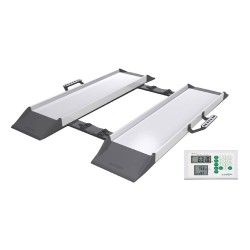
Medical Wheelchair Scales
Accessible Weighing for Wheelchair Users Without Transfers
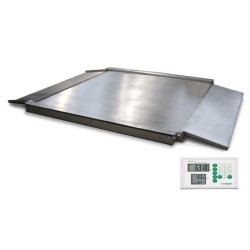
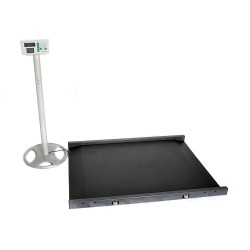
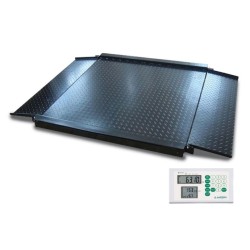
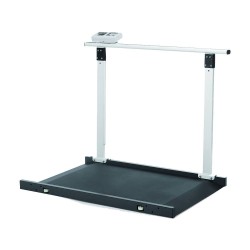
Medical wheelchair scales provide essential accessible weighing solutions for wheelchair users, enabling accurate weight measurement without requiring patients to transfer from their wheelchairs, serving hospitals, rehabilitation centres, care facilities, and clinics throughout England, Scotland, Wales, and Northern Ireland. These specialised weighing platforms feature low-profile ramps enabling easy wheelchair access, large platform surfaces accommodating wheelchairs safely, accurate weighing mechanisms compensating for wheelchair weight, and appropriate capacities supporting bariatric wheelchair users. Healthcare environments rely on wheelchair scales for weighing permanent wheelchair users requiring regular monitoring, patients temporarily using wheelchairs during recovery, individuals with spinal injuries unable to stand or transfer safely, bariatric patients using specialised wheelchairs, and elderly patients with limited mobility safer remaining seated. Modern medical wheelchair scales incorporate features including gentle ramps with suitable gradients, tare functions deducting known wheelchair weights, clear displays readable from wheelchair height, and robust construction withstanding repeated wheelchair use. The provision of wheelchair scales demonstrates commitment to accessible healthcare, eliminates discrimination by ensuring all patients can be weighed regardless of mobility, and supports patient safety by preventing risky transfers solely for weighing purposes across professional healthcare environments.
The implementation of medical wheelchair scales directly supports CQC compliance through accessible patient care meeting disability equality requirements, enhanced safety through elimination of unnecessary transfers, and demonstration of appropriate equipment provision serving diverse patient populations. Wheelchair users traditionally face significant barriers to routine weighing, with conventional scales requiring standing or transfer to chair scales, either of which may be impossible for permanent wheelchair users or risky for those with temporary mobility limitations. Medical wheelchair scales address accessibility barriers by enabling weighing whilst seated in familiar mobility equipment, eliminate transfer risks for patients with spinal injuries or severe mobility impairments, support dignified care through independent weighing without requiring assistance for transfers, and deliver accurate weights supporting clinical decisions. Clinical applications include spinal injury rehabilitation monitoring body composition changes, bariatric care tracking weight management progress, chronic disease management monitoring conditions affecting weight, medication management requiring accurate dosing calculations, and routine health surveillance ensuring wheelchair users receive equivalent monitoring to ambulant patients. Healthcare organisations benefit from reduced transfer-related incidents when wheelchair weighing eliminates unnecessary movement, improved health equity through accessible weight monitoring for all patients, and enhanced efficiency through quick weighing procedures. Modern wheelchair scales incorporate safety features including non-slip ramp surfaces, secure platform edges preventing wheelchairs rolling off, and stable construction throughout England, Scotland, Wales, and Northern Ireland.
Selecting and implementing medical wheelchair scales requires assessment of patient populations, appropriate equipment specification, and integration with clinical protocols across healthcare facilities throughout the UK. Organisations should evaluate the proportion of wheelchair-using patients requiring weighing, determining whether dedicated wheelchair scales in specific areas or portable systems prove more appropriate, assess clinical requirements identifying necessary accuracy and capacity, and consider practical factors including space availability, ramp storage when folding designs are used, and staff training requirements. Equipment selection should prioritise medical device certified scales meeting accuracy standards, appropriate capacity typically 300-400kg accommodating bariatric wheelchair users, platform dimensions ensuring most wheelchair types fit safely, and ramp designs with suitable gradients enabling independent access where possible. Implementation protocols must encompass staff training on scale operation including proper wheelchair positioning, tare procedures for known wheelchair weights or weighing empty wheelchairs first, and safety supervision for less stable patients. Quality assurance measures should include regular calibration maintaining accuracy, documented verification of tare weights for facility wheelchairs, cleaning protocols for equipment contacted by multiple users, and monitoring of weighing-related incidents. Modern wheelchair scales incorporate features such as foldable ramps simplifying storage, handrails providing additional support, and wireless connectivity transferring weights to records. Organisations should establish protocols identifying which patients benefit from wheelchair scale use, maintain records of facility wheelchair weights enabling accurate taring, and train staff on assisting wheelchair users onto platforms safely. Clinical teams should consider specific populations including bariatric patients requiring high-capacity equipment, users of powered wheelchairs with substantial equipment weight, and patients in specialised seating requiring very large platforms. Accessibility considerations should include positioning scales in convenient locations, providing clear signage and instructions, and ensuring approach routes accommodate wheelchairs. By implementing medical wheelchair scales and accessible weighing protocols, healthcare organisations throughout England, Scotland, Wales, and Northern Ireland demonstrate their commitment to CQC standards, disability equality through accessible healthcare, patient safety through elimination of risky transfers, and provision of inclusive equipment enabling all patients to receive comprehensive health monitoring regardless of mobility status, supporting equitable care across diverse populations.
Bariatric Medical Scales
High-Capacity Weighing Solutions for Bariatric Patient Care
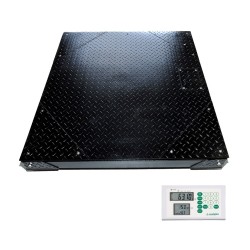
Bariatric medical scales provide essential high-capacity weighing equipment specifically designed for patients with obesity, serving hospitals, bariatric clinics, care facilities, and healthcare services throughout England, Scotland, Wales, and Northern Ireland. These robust weighing devices feature reinforced construction supporting significantly higher weights than standard scales, extra-wide platforms accommodating larger body dimensions safely, enhanced accuracy across extended weight ranges, and appropriate handrails or support features enhancing stability during weighing. Healthcare environments rely on bariatric scales for weighing patients in bariatric surgery programmes requiring precise weight monitoring, managing obesity-related health conditions tracking intervention effectiveness, dosing weight-based medications requiring accurate calculations, monitoring fluid retention in cardiac or renal patients with obesity, and providing routine health surveillance ensuring patients of all sizes receive appropriate care. Modern bariatric scales incorporate features including capacity typically 300-500kg exceeding standard medical scales, ultra-low platforms reducing step-up height, clear displays positioned for easy reading, and stable platforms providing secure patient positioning. The provision of appropriate bariatric scales demonstrates commitment to size-inclusive healthcare, prevents discrimination ensuring all patients can access weight monitoring, and supports evidence-based bariatric care through accurate clinical data across professional healthcare environments.
The implementation of bariatric medical scales directly supports CQC compliance through accessible patient care meeting equality requirements, appropriate clinical monitoring for all patient sizes, and demonstration of dignity in care through suitable equipment provision. Healthcare services lacking appropriate bariatric scales face serious challenges including inability to weigh larger patients compromising clinical care, patient distress from attempting to use inadequate equipment potentially causing injury or dignity violations, and discrimination through provision of services accessible only to smaller patients. Bariatric scales address these challenges by providing safe weighing for patients across the weight spectrum, delivering accurate measurements supporting clinical decisions, maintaining patient dignity through appropriately sized equipment, and enabling routine monitoring supporting obesity management and associated health conditions. Clinical benefits include accurate medication dosing for weight-based treatments, monitoring of weight loss following bariatric surgery or lifestyle interventions, fluid balance assessment in cardiac patients with obesity, and nutritional assessment supporting dietary interventions. Healthcare organisations benefit from appropriate bariatric scale provision through reduced complaints regarding inadequate equipment, improved clinical outcomes through better monitoring data, and enhanced reputation as size-inclusive healthcare providers. Modern bariatric scales incorporate dignity-preserving features including private weighing areas, chairs or rails providing stability support, and considerate designs throughout England, Scotland, Wales, and Northern Ireland.
Selecting and implementing bariatric medical scales requires assessment of patient populations, appropriate capacity specification, and integration with size-inclusive care strategies across healthcare facilities throughout the UK. Organisations should evaluate the proportion of bariatric patients served determining whether dedicated bariatric scales or scales serving dual purposes with sufficient capacity prove more appropriate, assess maximum weights requiring accommodation, and consider whether floor scales, chair scales, or wheelchair scales best meet needs. Equipment selection should prioritise certified medical devices meeting accuracy standards across extended weight ranges, appropriate capacity based on patient assessment typically 400-500kg, platform dimensions accommodating larger body sizes safely, and sturdy handrails or support features where needed. Implementation protocols must encompass staff training on sensitive communication about weighing, proper scale operation including tare functions, and procedures respecting patient dignity including privacy. Quality assurance measures should include regular calibration maintaining accuracy particularly important at higher weights, documented maintenance of structural integrity, and monitoring of patient feedback regarding weighing experiences. Modern bariatric scales incorporate features such as extra-wide displays showing weights clearly, voice output options reducing need to observe displays, and multiple measurement units. Organisations should establish protocols ensuring bariatric scales are available when needed, train all staff on their location and use, and integrate weights into clinical pathways. Clinical teams should practise sensitive communication about weighing, recognise psychological aspects of weight monitoring for patients with obesity, and focus conversations on health rather than appearance. Environmental considerations should include locating bariatric scales in private areas, ensuring sufficient space around equipment, and maintaining equipment appearance. Staff education should address weight bias, emphasising that appropriate equipment provision represents professional responsibility rather than special treatment. By implementing bariatric medical scales and size-inclusive weighing protocols, healthcare organisations throughout England, Scotland, Wales, and Northern Ireland demonstrate their commitment to CQC standards, equality and anti-discrimination in healthcare, patient dignity through appropriate equipment, and comprehensive clinical care supporting all patients regardless of size, enabling evidence-based interventions and routine monitoring across diverse patient populations with sensitivity and professional respect.
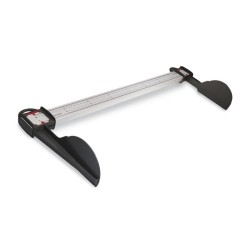
Patient Height Measurers
Accurate Height Measurement for Clinical Assessment
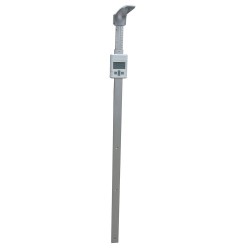
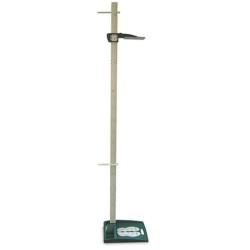
Patient height measurers, also known as stadiometers, provide essential height measurement capabilities for healthcare facilities requiring accurate stature assessment, serving hospitals, GP surgeries, clinics, health centres, and healthcare facilities throughout England, Scotland, Wales, and Northern Ireland. These precision measuring devices feature vertical measuring rods with clearly marked height scales, adjustable horizontal headpieces ensuring accurate vertex measurement, stable mounting ensuring measurement consistency, and appropriate design preventing measurement errors. Healthcare environments rely on height measurers for applications including body mass index calculation requiring both height and weight data, growth monitoring in children tracking development, medication dosing calculations particularly for chemotherapy, nutritional assessment supporting dietary interventions, and clinical trials requiring precise anthropometric data. Modern height measurers incorporate features including large clear markings facilitating reading, smooth sliding headpieces enabling gentle measurement, metric and imperial scales accommodating preferences, and wall-mounted or portable designs matching different clinical settings. The provision of accurate height measurers supports evidence-based care through reliable anthropometric data, enables appropriate clinical calculations, and demonstrates professional clinical practice meeting measurement standards across professional healthcare environments.
The implementation of patient height measurers directly supports CQC compliance through accurate clinical assessment, comprehensive patient monitoring, and demonstration of appropriate equipment provision meeting professional healthcare standards. Inaccurate height measurement compromises clinical care through incorrect body mass index calculations potentially missing obesity or underweight conditions, inappropriate medication dosing particularly for chemotherapy where errors could cause serious harm, and compromised growth monitoring in children potentially missing significant developmental issues. Professional height measurers address these challenges by providing accurate consistent measurements, standardising technique through appropriate equipment design, enabling reliable serial measurements supporting clinical decision-making, and delivering professional patient experience. Clinical applications include BMI assessment screening for weight-related health risks, paediatric growth monitoring detecting developmental concerns, pre-operative assessment gathering baseline data, nutritional screening identifying malnutrition risks, and population health surveillance tracking anthropometric trends. Healthcare organisations benefit from reliable height measurement through confident clinical decision-making based on accurate data, reduced risks of medication dosing errors, and appropriate resource allocation through timely detection of growth or weight concerns. Modern height measurers incorporate features such as automatic measurement hold, integrated levelling mechanisms ensuring accuracy, and various mounting options throughout England, Scotland, Wales, and Northern Ireland.
Selecting and implementing patient height measurers requires assessment of clinical requirements, appropriate equipment specification, and establishment of quality measurement protocols across healthcare facilities throughout the UK. Organisations should evaluate patient populations determining required measurement range particularly if serving both children and adults, assess clinical requirements identifying needs for high precision versus basic measurement, and consider practical factors including available wall space, portability requirements, and budget constraints. Equipment selection should prioritise medical-grade stadiometers meeting measurement accuracy standards, appropriate measurement range typically 60-210cm covering most populations, clear scale markings readable in varied lighting, and robust construction ensuring long-term accuracy. Implementation protocols must encompass staff training on correct measurement technique including proper patient positioning with heels against wall, head in Frankfurt plane, and headpiece at vertex, measurement reading procedures avoiding parallax errors, and documentation approaches. Quality assurance measures should include periodic calibration checks comparing measurements to known standards, documented maintenance records, and monitoring of technique through observation or inter-rater reliability testing. Modern height measurers incorporate features such as digital displays eliminating reading errors, data connectivity transferring measurements to records, and portable designs enabling measurements in varied locations. Organisations should establish measurement protocols standardising technique across staff, determine appropriate measurement frequencies for different patient groups particularly children requiring regular growth monitoring, and integrate heights with weights for BMI calculation. Clinical teams should consider populations with specific needs including children requiring appropriate measurement range and technique, frail elderly patients needing support during measurement, and patients with spinal curvature requiring specialised measurement approaches. Staff education should address common measurement errors including incorrect patient positioning, reading parallax, and failure to achieve flat headpiece contact. By maintaining accurate patient height measurers and implementing professional measurement protocols, healthcare organisations throughout England, Scotland, Wales, and Northern Ireland demonstrate their commitment to CQC standards, accurate clinical assessment, comprehensive patient monitoring, and provision of reliable equipment supporting evidence-based care decisions through precise anthropometric measurement enabling appropriate clinical interventions and population health surveillance across all care settings.
Medical Scale Accessories
Essential Components for Optimal Scale Functionality
Medical scale accessories provide essential components and enhancements supporting weighing equipment functionality, maintenance, and clinical effectiveness across hospitals, care facilities, clinics, and healthcare services throughout England, Scotland, Wales, and Northern Ireland. These supporting products encompass wheelchair ramps enabling access to platform scales, scale printers providing printed weight records, calibration weights ensuring measurement accuracy, protective covers maintaining equipment condition, replacement parts supporting ongoing functionality, and specialist accessories enhancing specific applications. Healthcare organisations rely on scale accessories for facilitating wheelchair access to weighing platforms, documenting weights for clinical records, verifying scale accuracy through calibration, protecting expensive equipment from damage, replacing worn components maintaining functionality, and customising weighing solutions for specific clinical needs. Modern medical scale accessories incorporate features including standardised designs ensuring compatibility across equipment, durable construction withstanding clinical use, user-friendly operation supporting workflow, and appropriate specifications meeting clinical requirements. The availability of comprehensive scale accessories ensures weighing equipment operates optimally, extends equipment lifespan through proper maintenance and protection, and enhances clinical value through functional improvements across professional healthcare environments.
The provision of appropriate medical scale accessories directly supports CQC compliance through equipment maintenance ensuring continued accuracy, comprehensive documentation of weights, and enhancement of weighing accessibility for patients with mobility limitations. Healthcare organisations investing in quality weighing equipment must support that investment through appropriate accessories enabling optimal functionality, protecting capital expenditure, and ensuring regulatory compliance. Medical scale accessories address these requirements by enabling regular calibration maintaining accuracy required by medical device regulations, facilitating equipment cleaning through protective covers supporting infection control, extending equipment lifespan through timely replacement of worn components, and enhancing accessibility through ramps ensuring all patients can be weighed. Clinical benefits include reliable weight data supporting clinical decisions, documented weights providing audit trails, and inclusive weighing capability serving diverse patient populations. Healthcare organisations benefit from reduced equipment replacement costs when accessories support ongoing functionality, maintained compliance with calibration requirements, and improved accessibility preventing discrimination. Modern scale accessories incorporate features such as antimicrobial materials supporting infection control, tool-free installation simplifying use, and clear instructions throughout England, Scotland, Wales, and Northern Ireland.
Selecting and implementing medical scale accessories requires assessment of equipment needs, appropriate accessory specification, and integration with equipment management protocols across healthcare facilities throughout the UK. Organisations should evaluate their weighing equipment inventory identifying accessories required for optimal functionality, assess patient populations determining accessibility needs such as wheelchair ramps, and review calibration schedules ensuring availability of appropriate calibration weights. Accessory selection should consider compatibility with existing equipment, appropriate specifications matching equipment requirements such as calibration weight accuracy class, quality construction ensuring durability, and cost-effectiveness balancing initial prices against longevity. Implementation protocols should encompass staff training on proper accessory use including calibration procedures, integration with equipment maintenance schedules, and documentation of accessory provision. Quality assurance measures should include maintenance records for accessories such as cleaning of ramps, periodic verification that calibration weights remain accurate, and monitoring of equipment condition identifying when replacements are needed. Modern scale accessories incorporate features such as foldable ramps simplifying storage, wireless printers eliminating cable constraints, and standardised replacement parts. Organisations should establish protocols for regular equipment checks, maintain adequate stocks of essential accessories preventing unavailability compromising weighing capability, and integrate accessories into equipment management systems. Procurement approaches should recognise that genuine manufacturer accessories often provide better compatibility and longevity than generic alternatives. Staff education should address importance of regular calibration, proper accessory care extending lifespan, and recognition when professional service is required. Storage systems should protect accessories from damage whilst ensuring availability when needed. By maintaining comprehensive medical scale accessory supplies and implementing proper equipment management protocols, healthcare organisations throughout England, Scotland, Wales, and Northern Ireland demonstrate their commitment to CQC standards, equipment maintenance ensuring continued accuracy and safety, accessible patient care through appropriate access solutions, and responsible stewardship of capital equipment through investments in accessories supporting optimal functionality, longevity, and clinical effectiveness of essential weighing equipment across all healthcare settings.
Professional Gym and...
Precision Weighing for Fitness and Weight Management Programmes
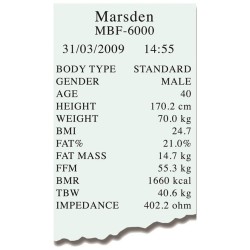
Professional gym and slimming scales provide specialised weighing solutions designed for fitness centres, gyms, slimming clubs, and weight management programmes throughout England, Scotland, Wales, and Northern Ireland. These purpose-designed weighing devices feature robust construction withstanding intensive use, accurate mechanisms supporting weight management tracking, body composition analysis capabilities providing comprehensive fitness data, and user-friendly operation accommodating varied technical competencies. Fitness and weight management environments rely on professional scales for tracking member weight changes supporting programme effectiveness, body composition assessment measuring muscle, fat, and water percentages, goal setting and motivation through objective measurement, demonstrating programme effectiveness to potential clients, and providing professional services justifying membership fees. Modern gym and slimming scales incorporate features including bioelectrical impedance analysis measuring body composition, data storage tracking individual progress, clear displays facilitating reading in varied lighting, and durable construction resisting moisture in changing room environments. The provision of professional-grade scales demonstrates business commitment to quality, supports evidence-based weight management approaches, and enhances member satisfaction through reliable tracking capabilities across commercial fitness and weight management environments.
The implementation of professional gym and slimming scales directly supports business effectiveness through enhanced member services, programme accountability, and professional reputation building. Weight loss and fitness programmes require reliable measurement for tracking progress, motivating participants, and demonstrating effectiveness. Professional scales address these requirements by providing accurate consistent measurements enabling valid progress tracking, delivering additional metrics beyond weight including body composition supporting comprehensive fitness assessment, offering reliable equipment building member confidence in services, and presenting professional appearance supporting premium positioning. Commercial benefits include enhanced member retention when programmes demonstrate measurable results, competitive advantage through superior measurement capabilities, and professional reputation attracting quality-conscious clients. Member benefits include objective feedback supporting motivation, comprehensive data enabling informed fitness decisions, and fair measurement ensuring programme evaluation reflects true progress. Modern gym and slimming scales incorporate advanced features such as smartphone connectivity enabling personal tracking, segmental body composition showing specific area changes, and multi-user memory simplifying repeated measurements throughout England, Scotland, Wales, and Northern Ireland.
Selecting and implementing professional gym and slimming scales requires assessment of business requirements, appropriate equipment specification, and integration with programme delivery across fitness and weight management facilities throughout the UK. Organisations should evaluate client profiles determining required capacity, assess programme needs identifying whether basic weight measurement suffices or body composition analysis adds value, and consider practical factors including available space, power supply, and budget constraints. Equipment selection should prioritise professional-grade scales designed for commercial use withstanding intensive operation, appropriate capacity typically 250kg for general populations, body composition analysis if supporting comprehensive fitness programmes, and clear displays readable in varied conditions. Implementation protocols should encompass staff training on scale operation including body composition measurement technique, client communication about measurement data, and data privacy protecting client information. Quality assurance measures should include regular calibration maintaining accuracy, documented maintenance schedules, cleaning protocols particularly important in changing room locations, and monitoring of scale-related client feedback. Modern professional gym scales incorporate features such as wireless connectivity transferring data to client apps, BMI calculation and interpretation, and various measurement modes. Businesses should establish measurement protocols standardising procedures across staff, determine appropriate measurement frequencies for different programmes, and integrate measurements into client consultations and progress reviews. Staff education should address appropriate body composition interpretation avoiding oversimplification, communication approaches supporting client motivation without causing anxiety, and privacy considerations. Environmental considerations should include locating scales in appropriate areas balancing accessibility with privacy, ensuring stable flooring supporting accurate measurement, and protecting equipment from moisture in changing areas. By implementing professional gym and slimming scales alongside appropriate measurement and communication protocols, fitness and weight management organisations throughout England, Scotland, Wales, and Northern Ireland demonstrate their commitment to quality service provision, evidence-based programme delivery, professional standards, and comprehensive client support through reliable measurement enabling effective tracking, motivation, and demonstration of programme effectiveness supporting both client outcomes and business success across commercial fitness and weight management sectors.
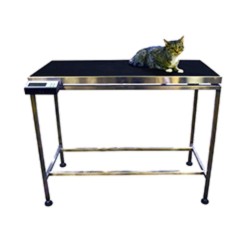
Veterinary Scales
Precision Animal Weighing for Veterinary Clinical Care
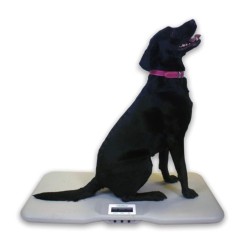
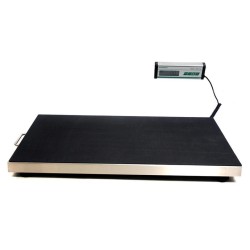
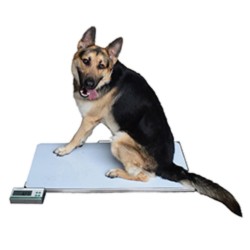
Veterinary scales provide specialised weighing equipment designed specifically for animal healthcare, serving veterinary surgeries, animal hospitals, grooming centres, and animal welfare organisations throughout England, Scotland, Wales, and Northern Ireland. These purpose-designed weighing devices feature appropriate platform sizes accommodating varied animal dimensions, non-slip surfaces ensuring safe animal positioning, accurate weighing mechanisms supporting clinical decisions, and hygiene-conscious designs facilitating thorough cleaning between uses. Veterinary practices rely on professional scales for monitoring patient weight supporting health assessment, medication dosing calculations ensuring appropriate drug quantities, anaesthetic dosage calculations preventing under or over-dosing, tracking weight changes indicating illness or treatment response, and nutritional assessment supporting dietary recommendations. Modern veterinary scales incorporate features including varied platform sizes from small animal scales for cats and small dogs through to large animal scales for horses and livestock, tare functions enabling weighing in carriers, clear displays readable during active animal weighing, and robust construction withstanding animal movement and moisture. The provision of appropriate veterinary scales supports evidence-based animal care through accurate clinical data, enables safe medication and anaesthetic management, and demonstrates professional veterinary practice meeting clinical standards across animal healthcare environments.
The implementation of professional veterinary scales directly supports veterinary practice quality through accurate clinical assessment, safe medication management, and demonstration of appropriate equipment provision meeting professional standards. Inaccurate animal weighing compromises veterinary care through incorrect medication dosing potentially causing treatment failure or toxicity, inappropriate anaesthetic doses risking patient safety, and failure to detect significant weight changes indicating disease progression or treatment effectiveness. Professional veterinary scales address these challenges through accurate consistent measurements across the animal weight range, appropriate platform designs accommodating various animal sizes and temperaments, stable weighing despite animal movement, and hygienic surfaces preventing cross-contamination between patients. Clinical applications include routine health checks establishing baseline weights, pre-operative weighing supporting anaesthetic planning, medication dispensing ensuring accurate dosing, weight management programmes monitoring progress, and diagnostic investigations where weight changes provide clinical clues. Veterinary practices benefit from reliable weighing equipment through confident clinical decision-making, reduced medication errors preventing patient harm and regulatory issues, and professional reputation built on quality equipment. Modern veterinary scales incorporate safety features including non-slip platforms preventing animals slipping, stable bases resisting tipping if animals move suddenly, and appropriate height preventing injury if animals jump down throughout England, Scotland, Wales, and Northern Ireland.
Selecting and implementing veterinary scales requires assessment of practice needs, appropriate equipment specification, and establishment of quality weighing protocols across veterinary facilities throughout the UK. Veterinary practices should evaluate typical patient sizes determining required platform dimensions and weight capacities, assess clinical requirements identifying needs such as very high accuracy for small animal medication, and consider practical factors including available space, hygiene requirements, and budget. Equipment selection should prioritise scales designed specifically for veterinary use, appropriate capacity for typical patients typically separate scales for small animals (up to 50kg) and large animals (up to 300kg or more), platform dimensions accommodating animal sizes safely, and materials facilitating thorough cleaning and disinfection. Implementation protocols must encompass staff training on proper scale operation including techniques for weighing anxious or aggressive animals safely, tare procedures for weighing in carriers when necessary, and appropriate result interpretation. Quality assurance measures should include regular calibration maintaining accuracy, documented maintenance records, cleaning and disinfection protocols between patients preventing disease transmission, and monitoring of weighing-related incidents. Modern veterinary scales incorporate features such as hold functions capturing weight despite animal movement, data connectivity transferring weights to practice management systems, and animal-friendly designs reducing stress. Veterinary practices should establish weighing protocols standardising procedures across veterinary surgeons and nurses, determine appropriate weighing frequencies for different clinical scenarios, and integrate weights into clinical decision-making particularly for medication dosing. Staff should develop techniques for safe animal handling during weighing including appropriate restraint methods, recognition of stress signals necessitating modified approaches, and emergency procedures if animals react adversely. Hygiene protocols should emphasise thorough cleaning between patients, particular attention to potentially infectious cases, and appropriate disinfectant selection effective against animal pathogens whilst safe for scales. By maintaining calibrated professional veterinary scales and implementing appropriate weighing protocols, veterinary practices throughout England, Scotland, Wales, and Northern Ireland demonstrate their commitment to professional standards, patient safety through accurate medication management, clinical excellence through evidence-based assessment, and appropriate equipment provision supporting optimal animal healthcare outcomes through reliable weighing enabling accurate clinical decisions across all veterinary patients.