
Patient Lifting Hoists
There are 6 products.
Active filters
About Patient Lifting Hoists
Mechanical Lifting Solutions for Safe Patient Transfers
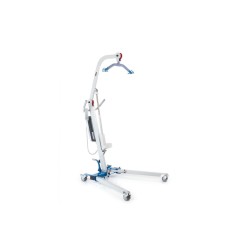
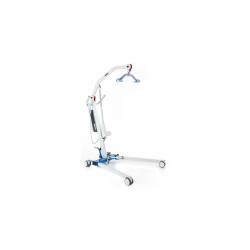
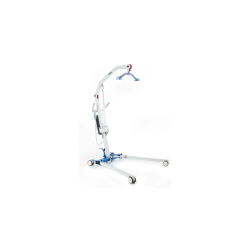
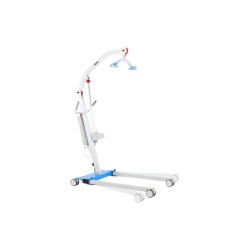
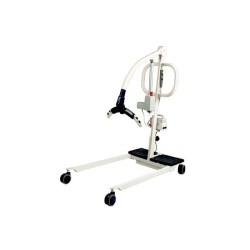
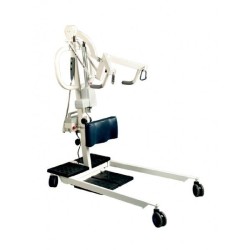
Patient lifting hoists provide essential mechanical lifting equipment enabling safe patient transfers when manual lifting would pose unacceptable risks, serving hospitals, care homes, rehabilitation facilities, and home care settings throughout England, Scotland, Wales, and Northern Ireland. These vital devices comprise mobile or fixed mechanisms using hydraulic or electric power to raise patients in supportive slings, enabling dignified transfers between beds, chairs, wheelchairs, bathrooms, and other locations for individuals unable to assist with transfers. Healthcare environments rely on patient hoists for transferring patients with minimal or no weight-bearing ability, supporting individuals with severe mobility limitations, managing bariatric patients whose size exceeds safe manual handling, facilitating bathroom transfers maintaining dignity, and enabling safe care delivery preventing manual lifting injuries amongst staff. Modern patient hoists incorporate features including electric operation providing smooth controlled lifting, emergency lowering systems ensuring safety during power failures, varied weight capacities accommodating diverse patient populations, compact designs navigating care environments, and compatibility with different sling types addressing varied needs. The provision of appropriate patient hoists demonstrates commitment to safe manual handling eliminating unsafe lifting, supports dignity through reliable dignified transfers, and enables comprehensive care for patients with severe mobility limitations across professional care environments.
The implementation of patient lifting hoists directly supports CQC compliance through staff injury prevention, patient safety enhancement, and demonstration of appropriate equipment provision meeting manual handling regulatory requirements. Manual lifting of patients is prohibited under health and safety regulations due to unacceptable injury risks, whilst patients face serious risks from unsafe transfers including falls, sudden drops, and dignity violations. Patient hoists address these challenges by eliminating manual lifting through mechanical assistance, providing smooth controlled transfers preventing sudden movements, enabling safe bathroom access maintaining hygiene and dignity, and supporting comprehensive care for individuals with severe mobility limitations who would otherwise require multiple carers or unsafe practices. Clinical applications include complete dependency care when patients have no mobility, progressive neurological conditions as patients lose transfer ability, post-operative care following procedures requiring strict movement limitations, bariatric care when patient size precludes other methods, and palliative care enabling gentle dignified movement. Healthcare organisations benefit from eliminated manual lifting injuries protecting staff health and reducing absence, prevented patient falls during transfers through controlled movement, enhanced ability to care for complex patients at home or in care facilities, and improved regulatory compliance meeting manual handling obligations. Modern hoists incorporate safety features including emergency stop buttons, overload protection, and stability throughout England, Scotland, Wales, and Northern Ireland.
Selecting and implementing patient lifting hoists requires comprehensive assessment, appropriate equipment specification, and thorough training across healthcare facilities throughout the UK. Organisations should evaluate patient populations determining hoist requirements based on dependency levels, assess environmental factors including ceiling strength for overhead hoists or space constraints for mobile hoists, and calculate equipment needs based on patient numbers and transfer frequency. Equipment selection should prioritise appropriate hoist type with mobile hoists offering flexibility versus fixed ceiling hoists providing space efficiency, adequate weight capacity typically 180-300kg for standard use and higher for bariatric care, appropriate lifting height range accommodating varied transfer scenarios, and ease of operation encouraging consistent use. Implementation protocols must encompass comprehensive staff training on safe hoist operation including sling selection and fitting, patient communication reducing anxiety, proper hoist positioning and use, and emergency procedures. Quality assurance measures should include statutory inspections under LOLER regulations typically every six months, documented maintenance schedules, testing before use, and monitoring of hoist-related incidents. Modern hoists incorporate features such as electronic weight displays, battery operation enabling use anywhere, and ergonomic controls. Organisations should establish protocols for hoist allocation and maintenance, integrate hoists with manual handling policies requiring their use where appropriate, and maintain sling stocks in varied types and sizes. Individual care plans must specify hoist requirements, appropriate sling types, and staffing levels needed. Staff education should address common hoist use errors, sling assessment and fitting, and recognition when hoists are inappropriate requiring alternative solutions. By implementing patient lifting hoists and comprehensive manual handling protocols, healthcare organisations throughout England, Scotland, Wales, and Northern Ireland demonstrate their commitment to CQC standards, regulatory compliance with manual handling legislation, staff protection through injury prevention, patient safety and dignity during transfers, and provision of equipment enabling comprehensive care for individuals with severe mobility limitations across all care settings.