Patient Handling Equipment
Subcategories
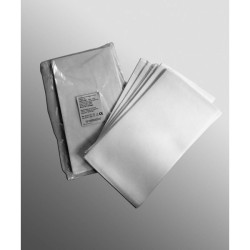
Patient Slide Sheets
Low-Friction Transfer Solutions for Safe Manual Handling
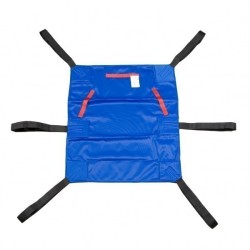
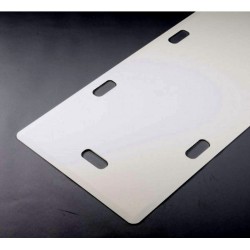
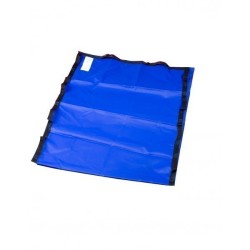
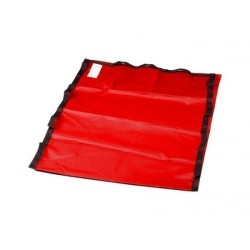
Patient slide sheets provide essential low-friction transfer equipment enabling safe patient repositioning and movement in hospitals, care homes, and healthcare settings throughout England, Scotland, Wales, and Northern Ireland. These specialised manual handling devices comprise slippery fabric layers that glide against each other, dramatically reducing the force required to move patients whilst minimising manual handling risks for healthcare staff. Professional care environments rely on slide sheets for applications including lateral transfers moving patients between beds and trolleys, repositioning patients in bed to prevent pressure injuries, turning immobile patients for care procedures and pressure relief, moving patients up the bed preventing sliding down, and assisting with log-rolling techniques maintaining spinal alignment. Modern slide sheets incorporate varied designs serving different functions including flat sheets for general repositioning, tubular sheets providing complete body coverage, roller sheets offering maximum friction reduction, and single-patient-use options preventing cross-contamination. The strategic use of slide sheets reduces manual handling injury risks affecting healthcare staff, enables safer patient handling preventing drops and sudden movements, and supports dignified care by facilitating smooth, controlled transfers throughout professional care environments.
The implementation of patient slide sheets directly supports CQC compliance through staff safety protection, patient safety enhancement, and demonstration of evidence-based manual handling practice. Manual handling injuries represent the most common occupational health problem in healthcare, causing staff absence and long-term disability. Regulatory guidance emphasises risk assessment and use of appropriate equipment to minimise manual handling risks. Slide sheets address these requirements by significantly reducing forces required for patient movement, enabling smaller care teams to safely move patients, and preventing the need for hazardous lifting techniques. Clinical evidence demonstrates that slide sheets reduce staff injury risks, improve patient comfort during transfers, and enable more frequent repositioning supporting pressure injury prevention. Healthcare organisations benefit from reduced staff injury rates when comprehensive slide sheet provision and training are implemented, decreasing absence costs and supporting workforce sustainability. The smooth, controlled movement facilitated by slide sheets enhances patient safety by preventing sudden drops or jerky movements that could cause injury or distress. Modern slide sheets incorporate features such as coloured edging helping staff align sheets correctly, clear capacity markings indicating maximum patient weights, and varied friction levels matching different transfer requirements throughout England, Scotland, Wales, and Northern Ireland.
Selecting and implementing patient slide sheets requires assessment of manual handling needs, appropriate product selection, and comprehensive staff training across healthcare facilities throughout the UK. Organisations should evaluate their patient populations determining typical patient weights and mobility levels, assess transfer scenarios identifying where slide sheets provide benefit, and calculate required quantities ensuring availability across all care areas. Product selection should consider single-patient-use sheets preventing cross-contamination versus washable sheets offering cost-effectiveness, tubular versus flat designs matching different transfer types, and fabric options including standard nylon or antimicrobial treatments. Implementation protocols must encompass comprehensive manual handling training including slide sheet technique, assessment of when slide sheets are appropriate versus alternative equipment, and safe working practices preventing falls or injury. Quality assurance measures should include monitoring of manual handling incidents, regular equipment checks ensuring slide sheets remain in good condition, and evaluation of staff compliance with manual handling protocols. Modern slide sheets incorporate features such as clear usage instructions, reinforced handles supporting safer handling, and compact designs enabling convenient storage. Organisations should establish laundering protocols for washable slide sheets ensuring hygienic reuse, maintain adequate stocks preventing shortages compromising safety, and integrate slide sheet use with broader manual handling policies including risk assessment and equipment provision. Staff education must emphasise that slide sheets complement rather than replace proper manual handling technique, with appropriate body mechanics and team coordination remaining essential. By maintaining comprehensive patient slide sheet supplies and implementing professional manual handling protocols, healthcare organisations throughout England, Scotland, Wales, and Northern Ireland demonstrate their commitment to CQC standards, staff and patient safety, regulatory compliance with manual handling regulations, and the provision of appropriate equipment that protects healthcare workers whilst enabling dignified, safe patient care delivery across all clinical settings and patient care scenarios.
Patient Turners
Safe Patient Turning and Transfer Solutions
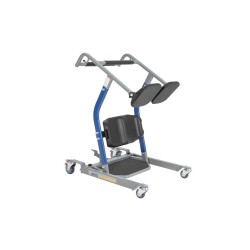
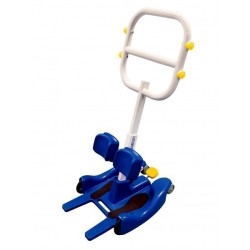
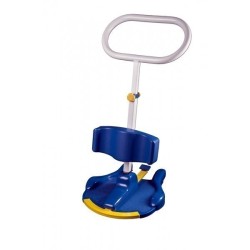
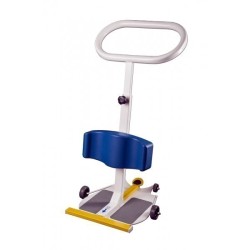
Patient turners provide specialised equipment enabling safe patient turning and assisted transfers, serving hospitals, care homes, rehabilitation facilities, and healthcare settings throughout England, Scotland, Wales, and Northern Ireland. These innovative mobility devices facilitate controlled patient rotation and standing assistance, combining stability support with smooth turning mechanisms enabling carers to assist patients with mobility limitations safely and efficiently. Healthcare environments utilise patient turners for assisting individuals with limited weight-bearing capacity but some standing ability, supporting transfers between seated surfaces including bed to chair or wheelchair to toilet, enabling safe turning during transfers reducing manual handling risks, facilitating rehabilitation exercises promoting standing and balance, and providing dignity-preserving assistance maintaining patient participation in transfers. Modern patient turners incorporate features including stable platforms supporting patient feet, padded support surfaces ensuring comfort, knee blocks preventing forward falls, grab rails providing stability, and smooth rotation mechanisms enabling controlled turning. The provision of patient turners demonstrates commitment to safe manual handling practice, reduces staff injury risks associated with awkward transfers, supports patient participation in mobility maintaining dignity, and enables efficient care delivery across professional healthcare environments.
The implementation of patient turners directly supports CQC compliance through enhanced staff safety, patient safety improvement, and demonstration of appropriate manual handling equipment provision meeting regulatory requirements. Manual handling injuries represent the most common occupational health problem in healthcare, causing staff absence and long-term disability, whilst patients face risks from unsafe transfers including falls and injury. Patient turners address these challenges by providing stable support during transfers reducing manual handling forces, enabling safer turning reducing staff musculoskeletal strain, facilitating controlled movement preventing patient falls, and promoting patient participation supporting dignity and therapeutic benefit. Clinical applications include post-operative mobilisation when patients can bear some weight but require assistance, stroke rehabilitation supporting standing practice and transfers, progressive neurological conditions enabling continued assisted transfers as abilities decline, frailty management supporting safe transfers whilst maintaining some independence, and temporary mobility limitation following illness supporting return to function. Healthcare organisations benefit from reduced staff injury rates when appropriate handling equipment is provided, decreased patient falls during transfers when stable equipment supports movement, enhanced efficiency through equipment facilitating quicker transfers, and improved satisfaction amongst staff appreciating manual handling injury prevention. Modern patient turners incorporate advanced features including battery-powered assistance reducing manual effort, adjustable components accommodating varied patient sizes, and compact designs throughout England, Scotland, Wales, and Northern Ireland.
Selecting and implementing patient turners requires assessment of patient populations, appropriate equipment specification, and comprehensive training across healthcare facilities throughout the UK. Organisations should evaluate typical patient capabilities determining who would benefit from turner assistance, assess environmental factors including space availability and transfer scenarios, and calculate equipment requirements based on usage patterns. Equipment selection should prioritise appropriate weight capacity matching patient needs, adjustable features accommodating varied users, stable construction ensuring safety, and ease of use encouraging consistent application. Implementation protocols must encompass comprehensive staff training on safe turner operation including patient assessment determining suitability, correct positioning and use, and emergency procedures if patients become unstable. Quality assurance measures should include regular equipment maintenance ensuring mechanical safety, documented service schedules, cleaning protocols preventing cross-contamination, and monitoring of turner-related incidents. Modern patient turners incorporate features such as antimicrobial surfaces, easily cleanable designs, and clear capacity markings. Organisations should establish clinical protocols identifying appropriate turner use, integrate turners with manual handling policies and risk assessments, and maintain equipment inventories tracking provision and maintenance. Individual care plans should document when patient turners are appropriate, specific techniques or precautions, and progression or regression in capabilities. Staff education should address recognition of patients suitable for turner assistance, those requiring alternative equipment such as hoists, and changed capabilities necessitating reassessment. Practice considerations should include adequate space for turner use, appropriate staffing levels, and supervision requirements. By implementing patient turners alongside professional manual handling protocols, healthcare organisations throughout England, Scotland, Wales, and Northern Ireland demonstrate their commitment to CQC standards, staff protection through manual handling injury prevention, patient safety during transfers, and provision of equipment that supports dignified, participative mobility enabling individuals to contribute to their own transfers whilst receiving necessary assistance and maintaining safety across all care settings.
Patient Lifting Hoists
Mechanical Lifting Solutions for Safe Patient Transfers
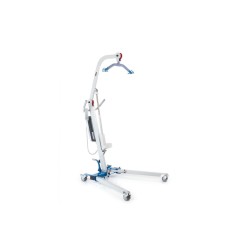
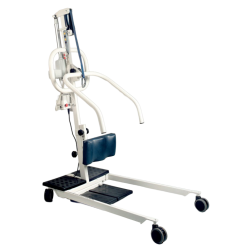
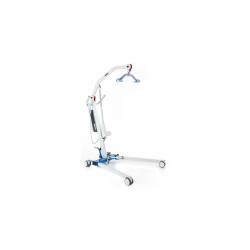
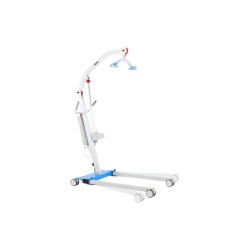
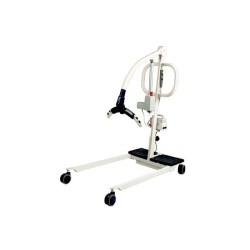
Patient lifting hoists provide essential mechanical lifting equipment enabling safe patient transfers when manual lifting would pose unacceptable risks, serving hospitals, care homes, rehabilitation facilities, and home care settings throughout England, Scotland, Wales, and Northern Ireland. These vital devices comprise mobile or fixed mechanisms using hydraulic or electric power to raise patients in supportive slings, enabling dignified transfers between beds, chairs, wheelchairs, bathrooms, and other locations for individuals unable to assist with transfers. Healthcare environments rely on patient hoists for transferring patients with minimal or no weight-bearing ability, supporting individuals with severe mobility limitations, managing bariatric patients whose size exceeds safe manual handling, facilitating bathroom transfers maintaining dignity, and enabling safe care delivery preventing manual lifting injuries amongst staff. Modern patient hoists incorporate features including electric operation providing smooth controlled lifting, emergency lowering systems ensuring safety during power failures, varied weight capacities accommodating diverse patient populations, compact designs navigating care environments, and compatibility with different sling types addressing varied needs. The provision of appropriate patient hoists demonstrates commitment to safe manual handling eliminating unsafe lifting, supports dignity through reliable dignified transfers, and enables comprehensive care for patients with severe mobility limitations across professional care environments.
The implementation of patient lifting hoists directly supports CQC compliance through staff injury prevention, patient safety enhancement, and demonstration of appropriate equipment provision meeting manual handling regulatory requirements. Manual lifting of patients is prohibited under health and safety regulations due to unacceptable injury risks, whilst patients face serious risks from unsafe transfers including falls, sudden drops, and dignity violations. Patient hoists address these challenges by eliminating manual lifting through mechanical assistance, providing smooth controlled transfers preventing sudden movements, enabling safe bathroom access maintaining hygiene and dignity, and supporting comprehensive care for individuals with severe mobility limitations who would otherwise require multiple carers or unsafe practices. Clinical applications include complete dependency care when patients have no mobility, progressive neurological conditions as patients lose transfer ability, post-operative care following procedures requiring strict movement limitations, bariatric care when patient size precludes other methods, and palliative care enabling gentle dignified movement. Healthcare organisations benefit from eliminated manual lifting injuries protecting staff health and reducing absence, prevented patient falls during transfers through controlled movement, enhanced ability to care for complex patients at home or in care facilities, and improved regulatory compliance meeting manual handling obligations. Modern hoists incorporate safety features including emergency stop buttons, overload protection, and stability throughout England, Scotland, Wales, and Northern Ireland.
Selecting and implementing patient lifting hoists requires comprehensive assessment, appropriate equipment specification, and thorough training across healthcare facilities throughout the UK. Organisations should evaluate patient populations determining hoist requirements based on dependency levels, assess environmental factors including ceiling strength for overhead hoists or space constraints for mobile hoists, and calculate equipment needs based on patient numbers and transfer frequency. Equipment selection should prioritise appropriate hoist type with mobile hoists offering flexibility versus fixed ceiling hoists providing space efficiency, adequate weight capacity typically 180-300kg for standard use and higher for bariatric care, appropriate lifting height range accommodating varied transfer scenarios, and ease of operation encouraging consistent use. Implementation protocols must encompass comprehensive staff training on safe hoist operation including sling selection and fitting, patient communication reducing anxiety, proper hoist positioning and use, and emergency procedures. Quality assurance measures should include statutory inspections under LOLER regulations typically every six months, documented maintenance schedules, testing before use, and monitoring of hoist-related incidents. Modern hoists incorporate features such as electronic weight displays, battery operation enabling use anywhere, and ergonomic controls. Organisations should establish protocols for hoist allocation and maintenance, integrate hoists with manual handling policies requiring their use where appropriate, and maintain sling stocks in varied types and sizes. Individual care plans must specify hoist requirements, appropriate sling types, and staffing levels needed. Staff education should address common hoist use errors, sling assessment and fitting, and recognition when hoists are inappropriate requiring alternative solutions. By implementing patient lifting hoists and comprehensive manual handling protocols, healthcare organisations throughout England, Scotland, Wales, and Northern Ireland demonstrate their commitment to CQC standards, regulatory compliance with manual handling legislation, staff protection through injury prevention, patient safety and dignity during transfers, and provision of equipment enabling comprehensive care for individuals with severe mobility limitations across all care settings.
Patient Stand Aids
Supportive Equipment for Assisted Standing and Transfers
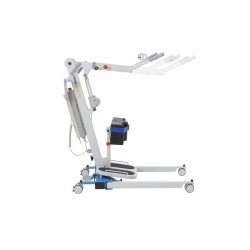
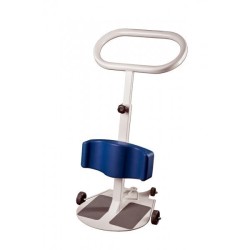
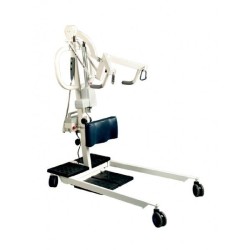
Patient stand aids provide essential transfer equipment enabling assisted standing and safe transfers for individuals with moderate mobility limitations across hospitals, care homes, rehabilitation facilities, and healthcare settings throughout England, Scotland, Wales, and Northern Ireland. These specialised devices offer stable support during standing and transfer activities, combining secure platforms for patient feet, padded knee supports preventing falls forward, grab handles providing stability, and smooth assisted lifting mechanisms reducing manual handling requirements whilst encouraging patient participation. Healthcare environments rely on stand aids for assisting patients who retain some weight-bearing ability but require support, facilitating transfers between seated surfaces maintaining some independence, supporting rehabilitation programmes promoting standing and mobility, enabling bathroom transfers with dignity, and reducing manual handling risks for care staff. Modern stand aids incorporate features including electric lifting assistance reducing physical demands, adjustable components accommodating varied patient sizes, compact designs manoeuvring in confined spaces, and stable construction ensuring safety. The provision of patient stand aids demonstrates commitment to person-centred mobility support that maximises independence whilst ensuring safety, reduces staff injury risks through appropriate equipment, and enables therapeutic standing supporting rehabilitation across professional care environments.
The implementation of patient stand aids directly supports CQC compliance through enhanced patient participation in transfers, reduced manual handling risks for staff, and demonstration of appropriate equipment provision matching individual capabilities. Patients with moderate mobility limitations often receive either excessive assistance through hoisting when they could participate more, or inadequate support risking falls and staff injury. Stand aids address this gap by enabling assisted standing for patients who can bear weight but need support, promoting independence through participative transfers maintaining dignity, supporting therapeutic standing beneficial for circulation and bone health, reducing manual handling forces through mechanical assistance, and enabling more efficient transfers through appropriate equipment. Clinical applications include post-operative mobilisation as patients recover weight-bearing ability, stroke rehabilitation supporting standing practice and functional transfers, arthritis management enabling standing whilst reducing joint strain, frailty support allowing continued bathroom transfers with assistance, and progressive conditions maintaining assisted mobility as abilities decline. Healthcare organisations benefit from reduced staff injuries when appropriate equipment replaces manual lifting, enhanced patient satisfaction through maintained participation in mobility, improved rehabilitation outcomes through encouraged standing and movement, and efficient care delivery through equipment enabling single-carer transfers. Modern stand aids incorporate advanced features including powered assistance, pressure sensors, and smooth operation throughout England, Scotland, Wales, and Northern Ireland.
Selecting and implementing patient stand aids requires assessment of patient capabilities, appropriate equipment specification, and comprehensive training across healthcare facilities throughout the UK. Organisations should evaluate patient populations determining who would benefit from stand aid assistance rather than full hoisting, assess environmental factors including available space and typical transfer scenarios, and calculate equipment needs based on dependency levels and transfer frequency. Equipment selection should prioritise appropriate weight capacity typically 150-200kg, suitable height range accommodating varied users, powered assistance if available reducing manual handling demands, and ease of use encouraging consistent application. Implementation protocols must encompass comprehensive staff training on safe operation including patient assessment determining suitability, correct positioning techniques, encouraging patient participation, and emergency procedures if patients become unstable. Quality assurance measures should include regular maintenance ensuring mechanical safety, documented service schedules, cleaning protocols preventing cross-contamination, and monitoring of stand aid-related incidents. Modern stand aids incorporate features such as antimicrobial padding, easily cleanable surfaces, and clear operating instructions. Organisations should establish clinical protocols identifying appropriate stand aid use, integrate with manual handling policies and patient care plans, and maintain equipment inventories. Individual care plans should document when stand aids are appropriate, specific techniques or precautions, and goals for maintaining or improving standing ability. Staff education should address recognition of patients suitable for stand aids versus those requiring hoists, assessment of weight-bearing ability, and changed capabilities requiring reassessment. Environmental considerations should ensure adequate space, appropriate flooring providing traction, and proximity to transfer destinations. By implementing patient stand aids alongside professional assessment and training protocols, healthcare organisations throughout England, Scotland, Wales, and Northern Ireland demonstrate their commitment to CQC standards, person-centred mobility support maximising independence, staff protection through appropriate manual handling equipment, therapeutic approaches to rehabilitation, and provision of equipment that supports dignified, participative transfers enabling individuals to maintain and develop their mobility capabilities whilst receiving necessary assistance across all care settings.
Patient Slings
Essential Support Slings for Safe Patient Hoisting
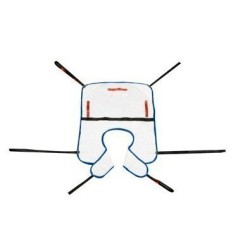
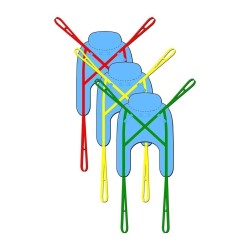
Patient slings provide crucial support components for patient hoisting systems, enabling safe comfortable transfers across hospitals, care homes, and healthcare settings throughout England, Scotland, Wales, and Northern Ireland. These specialised fabric supports come in varied designs addressing different transfer scenarios and patient needs including general purpose slings for routine transfers, toileting slings with openings enabling bathroom access, bathing slings facilitating hygiene care, stand aid slings supporting assisted standing, and bariatric slings accommodating larger patients. Healthcare environments require comprehensive sling stocks serving patients with complete dependency needing full support, individuals requiring bathroom access with maintained dignity, patients needing bathing assistance, those with specific positioning requirements, and individuals with pressure injury risks requiring careful material selection. Modern patient slings incorporate features including colour-coded designs indicating size and type, clearly marked maximum weights ensuring safe use, varied materials from standard woven to mesh for bathing, padded leg sections enhancing comfort, and multiple attachment loop positions enabling positioning adjustment. The availability of appropriate patient slings ensures safe dignified hoisting addressing individual needs, prevents skin damage through proper support distribution, enables varied care activities including bathroom and bathing access, and demonstrates professional hoisting practice across care environments.
The implementation of comprehensive patient sling provision directly supports CQC compliance through patient safety during transfers, dignity maintenance through appropriate sling selection, and demonstration of professional manual handling practice. Inappropriate sling use causes serious complications including discomfort from poor fit, skin damage from pressure concentration, unsafe transfers from incorrect sling type, and dignity violations from using toileting slings inappropriately. Patient slings address these challenges through purpose-designed types matching specific transfer needs, appropriate sizing ensuring comfortable secure support, varied materials addressing clinical requirements including infection control, and proper design distributing pressure across appropriate body areas. Clinical applications include routine transfers using general purpose slings, bathroom transfers using toileting slings maintaining dignity, bathing using mesh slings allowing water flow, rehabilitation using stand aid slings encouraging participation, and pressure care using slings with appropriate pressure distribution. Healthcare organisations benefit from reduced patient discomfort when appropriate slings are used, prevented skin damage through proper support, maintained dignity through suitable sling selection, and regulatory compliance meeting manual handling equipment standards. Modern slings incorporate advanced features such as antimicrobial treatments, inspection windows showing skin condition, and ergonomic designs throughout England, Scotland, Wales, and Northern Ireland.
Selecting and implementing patient slings requires individual assessment, comprehensive sling stocks, and thorough staff training across healthcare facilities throughout the UK. Organisations should evaluate patient populations determining required sling types and sizes, assess clinical needs including toileting, bathing, and pressure care requirements, and calculate stock requirements ensuring availability of appropriate slings when needed. Sling selection should prioritise appropriate type matching intended use with general purpose, toileting, bathing, and specialised options, correct size based on patient assessment typically using manufacturer sizing guides, suitable material considering clinical requirements and patient skin condition, and quality construction meeting medical device standards. Implementation protocols must encompass comprehensive staff training on sling assessment and selection, proper fitting techniques ensuring comfort and safety, hygiene protocols for sling management, and documentation of sling use. Quality assurance measures should include regular sling inspection checking for wear or damage, documented replacement schedules, laundering protocols maintaining hygiene particularly for reusable slings, and monitoring of sling-related incidents. Modern slings incorporate features such as radio-frequency identification enabling tracking, clearly visible labels surviving laundering, and quick-fit designs. Organisations should establish sling management systems tracking allocation and maintenance, maintain adequate stocks across varied types and sizes, and implement procedures ensuring appropriate sling selection. Individual care plans must specify required sling types, sizes, and any specific positioning requirements or precautions. Staff education should address common sling selection errors, consequences of inappropriate sling use, sling fitting assessment, and recognition of worn slings requiring replacement. Hygiene management should address single-patient-use versus shared slings, laundering requirements, and infection control protocols. By maintaining comprehensive patient sling supplies and implementing professional selection and management protocols, healthcare organisations throughout England, Scotland, Wales, and Northern Ireland demonstrate their commitment to CQC standards, patient safety and dignity during hoisting procedures, infection control through appropriate sling hygiene, and provision of appropriate manual handling equipment enabling safe, comfortable, dignified transfers addressing individual patient needs across all care settings requiring hoisting assistance.
Patient Handling Belts
Supportive Belts for Safe Assisted Walking and Transfers
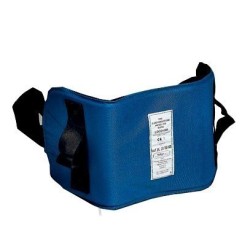
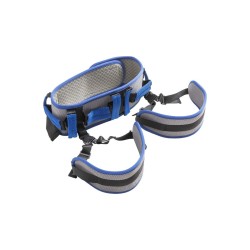
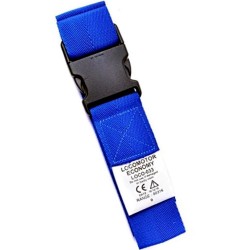
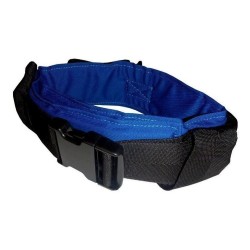
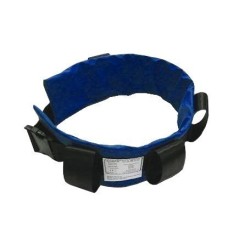
Patient handling belts provide essential assistive devices enabling carers to support patients during walking and transfers safely across hospitals, care homes, rehabilitation facilities, and healthcare settings throughout England, Scotland, Wales, and Northern Ireland. These purpose-designed belts, also known as transfer belts or gait belts, secure around patients' waists providing firm gripping points enabling carers to assist with standing, provide stability during walking, support transfers between surfaces, and prevent falls through secure holding. Healthcare environments utilise handling belts for assisting patients during walking practice in rehabilitation, supporting unsteady individuals preventing falls, facilitating transfers providing secure holds, enabling bathroom assistance maintaining safety, and managing fall risks in patients with balance difficulties or cognitive impairment. Modern handling belts incorporate features including strong webbing withstanding transfer forces, secure buckles preventing accidental release, padded surfaces enhancing patient comfort, varied sizes accommodating different waist dimensions, and strategically positioned handles providing optimal gripping points. The provision of patient handling belts demonstrates commitment to safe manual handling practice, reduces fall incidents through secure patient support, supports rehabilitation through walking practice assistance, and enables dignified mobility support across professional care environments.
The implementation of patient handling belts directly supports CQC compliance through enhanced patient safety during assisted mobility, fall prevention through secure support, and demonstration of appropriate assistive equipment provision. Assisting patients with mobility without appropriate equipment poses risks including patients pulling carers off balance, insecure holding of clothing or limbs potentially causing injury, difficulty controlling patient movement during falls, and staff musculoskeletal injury from awkward holds. Handling belts address these challenges by providing secure gripping points enabling controlled assistance, distributing support forces across stronger body areas rather than arms or clothing, enabling carers to provide stability without awkward holds, and supporting controlled lowering if patients become unstable. Clinical applications include post-operative mobilisation providing security during early walking, stroke rehabilitation supporting walking practice whilst function recovers, frailty management preventing falls whilst maintaining mobility, cognitive impairment providing security for patients with poor safety awareness, and general rehabilitation enabling progressive mobility development. Healthcare organisations benefit from reduced fall incidents when secure support is provided, prevented staff injuries through appropriate assistive techniques, enhanced rehabilitation outcomes through enabled walking practice, and improved confidence amongst staff and patients. Modern handling belts incorporate safety features such as quick-release buckles for emergencies, colour coding, and antimicrobial materials throughout England, Scotland, Wales, and Northern Ireland.
Selecting and implementing patient handling belts requires assessment of patient needs, appropriate equipment specification, and comprehensive training across healthcare facilities throughout the UK. Organisations should evaluate patient populations determining who requires handling belt support, assess clinical applications including walking assistance versus transfer support, and calculate equipment requirements ensuring availability across care areas. Equipment selection should prioritise appropriate size range accommodating varied patient waist dimensions, strong construction withstanding transfer forces, secure buckles providing reliability, and comfortable materials preventing patient discomfort during use. Implementation protocols must encompass comprehensive staff training on safe handling belt use including proper fitting ensuring security without excessive tightness, appropriate gripping and positioning techniques, walking support methods, and emergency procedures if patients fall. Quality assurance measures should include regular equipment inspection checking for wear particularly buckles and webbing, documented replacement schedules, cleaning protocols maintaining hygiene, and monitoring of handling belt-related incidents. Modern handling belts incorporate features such as padded handles reducing carer hand strain, multiple grip positions, and machine-washable construction. Organisations should establish clinical protocols identifying appropriate handling belt use, integrate with manual handling policies and fall prevention strategies, and maintain equipment inventories tracking provision and condition. Individual care plans should document when handling belts are appropriate, specific techniques or precautions, and goals for mobility development. Staff education should address proper handling belt technique, recognition of inappropriate use including reliance on belts for patients requiring hoisting, and limitations including inability to prevent all falls. Practice considerations should emphasise that handling belts assist with mobility but do not prevent falls in all circumstances, appropriate assessment remains essential, and belts complement rather than replace proper manual handling technique. By implementing patient handling belts alongside professional training and protocols, healthcare organisations throughout England, Scotland, Wales, and Northern Ireland demonstrate their commitment to CQC standards, fall prevention through appropriate mobility support, staff protection through safe assistive techniques, rehabilitation support enabling walking practice, and provision of equipment that enhances safety during assisted mobility whilst supporting independence development across all care settings requiring mobility assistance.
Patient Transfer Aids
Specialised Equipment for Efficient Safe Patient Transfers
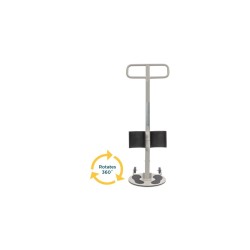
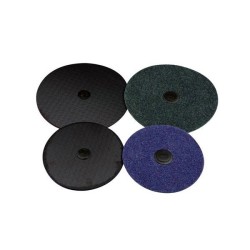
Patient transfer aids provide varied equipment solutions facilitating specific transfer scenarios across hospitals, care homes, and healthcare settings throughout England, Scotland, Wales, and Northern Ireland. These specialised devices encompass transfer boards enabling sliding transfers between level surfaces, patient turntables facilitating rotation during transfers, leg lifters assisting with lower limb positioning, turning aids helping patients move in bed, and various equipment addressing specific transfer challenges. Healthcare environments utilise transfer aids for seated lateral transfers between wheelchair and car or between wheelchair and bed, rotational transfers when patients have weight-bearing ability but turning difficulty, leg positioning particularly for patients with limited hip or knee mobility, bed repositioning for pressure relief and comfort, and specific scenarios where specialised aids provide safer or more efficient solutions than general approaches. Modern transfer aids incorporate features including smooth surfaces enabling low-friction sliding, stable construction ensuring safety during use, appropriate dimensions accommodating varied users, and hygiene-conscious designs facilitating thorough cleaning. The availability of comprehensive transfer aids ensures clinical teams can address diverse transfer scenarios professionally, reduces manual handling risks through appropriate equipment, and demonstrates commitment to safe, efficient care delivery across professional care environments.
The implementation of patient transfer aids directly supports CQC compliance through enhanced transfer safety, reduced manual handling injury risks, and demonstration of appropriate equipment provision addressing varied clinical scenarios. Transfer challenges vary considerably, with some scenarios unsuitable for standard approaches such as hoisting, requiring specialised solutions. Transfer aids address specific challenges by enabling lateral transfers for patients who can slide but not stand, facilitating rotational movement when patients can weight-bear but cannot turn, assisting with limb positioning when patients lack mobility to move legs independently, and supporting bed repositioning reducing manual handling forces. Clinical applications include wheelchair-to-car transfers using transfer boards enabling independent or assisted sliding, wheelchair-to-toilet transfers for patients who can slide, bed repositioning using slide sheets and turning aids, leg positioning following hip surgery or for patients with contractures, and varied scenarios benefiting from specialised equipment. Healthcare organisations benefit from reduced staff injuries when appropriate equipment addresses specific transfer challenges, enhanced patient independence when aids enable self-transfer, improved efficiency through equipment facilitating quicker transfers, and comprehensive capability to address diverse scenarios. Modern transfer aids incorporate advanced features such as built-in handles, rotating mechanisms, and integrated positioning aids throughout England, Scotland, Wales, and Northern Ireland.
Selecting and implementing patient transfer aids requires assessment of transfer scenarios, appropriate equipment specification, and staff training across healthcare facilities throughout the UK. Organisations should evaluate typical transfer challenges identifying scenarios where specialised aids provide benefit, assess patient populations determining equipment needs, and calculate requirements ensuring availability when needed. Equipment selection should consider specific transfer scenarios with transfer boards for lateral sliding, turntables for rotational transfers, leg lifters for positioning, and turning aids for bed mobility, appropriate sizing and weight capacity, materials facilitating cleaning and infection control, and ease of use encouraging consistent application. Implementation protocols must encompass staff training on proper equipment use including patient assessment determining suitability, correct positioning and technique, and safety precautions. Quality assurance measures should include regular equipment inspection ensuring continued safety, documented maintenance or replacement schedules, cleaning protocols particularly for equipment contacting multiple patients, and monitoring of transfer aid-related incidents. Modern transfer aids incorporate features such as antimicrobial surfaces, clear usage instructions, and storage solutions. Organisations should establish protocols for equipment selection and use, integrate with manual handling policies, and maintain inventories tracking provision and condition. Individual care plans should document appropriate transfer aids, specific techniques, and any precautions. Staff education should address assessment of when specialised aids are appropriate, recognition that aids complement rather than replace assessment and technique, and limitations of different equipment types. Practice considerations should emphasise individual assessment, appropriate equipment selection, and recognition when situations require alternative approaches such as hoisting. By maintaining comprehensive patient transfer aid supplies and implementing professional selection and training protocols, healthcare organisations throughout England, Scotland, Wales, and Northern Ireland demonstrate their commitment to CQC standards, manual handling safety through appropriate equipment, efficient care delivery, and provision of specialised solutions addressing diverse transfer scenarios enabling safe, dignified, efficient transfers across all care settings requiring varied approaches to patient mobility support.