
Patient Slings
There are 11 products.
Active filters






About Patient Slings
Essential Support Slings for Safe Patient Hoisting
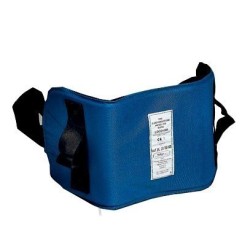
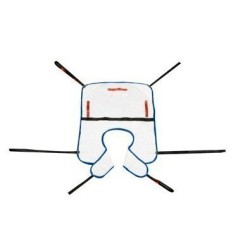
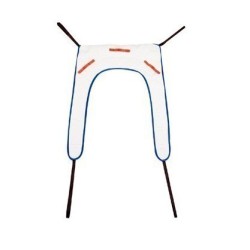
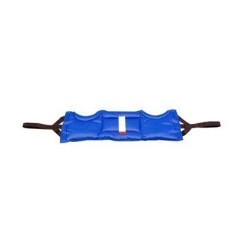
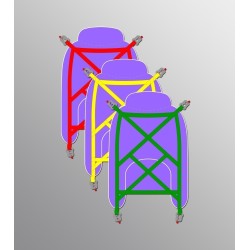
Patient slings provide crucial support components for patient hoisting systems, enabling safe comfortable transfers across hospitals, care homes, and healthcare settings throughout England, Scotland, Wales, and Northern Ireland. These specialised fabric supports come in varied designs addressing different transfer scenarios and patient needs including general purpose slings for routine transfers, toileting slings with openings enabling bathroom access, bathing slings facilitating hygiene care, stand aid slings supporting assisted standing, and bariatric slings accommodating larger patients. Healthcare environments require comprehensive sling stocks serving patients with complete dependency needing full support, individuals requiring bathroom access with maintained dignity, patients needing bathing assistance, those with specific positioning requirements, and individuals with pressure injury risks requiring careful material selection. Modern patient slings incorporate features including colour-coded designs indicating size and type, clearly marked maximum weights ensuring safe use, varied materials from standard woven to mesh for bathing, padded leg sections enhancing comfort, and multiple attachment loop positions enabling positioning adjustment. The availability of appropriate patient slings ensures safe dignified hoisting addressing individual needs, prevents skin damage through proper support distribution, enables varied care activities including bathroom and bathing access, and demonstrates professional hoisting practice across care environments.
The implementation of comprehensive patient sling provision directly supports CQC compliance through patient safety during transfers, dignity maintenance through appropriate sling selection, and demonstration of professional manual handling practice. Inappropriate sling use causes serious complications including discomfort from poor fit, skin damage from pressure concentration, unsafe transfers from incorrect sling type, and dignity violations from using toileting slings inappropriately. Patient slings address these challenges through purpose-designed types matching specific transfer needs, appropriate sizing ensuring comfortable secure support, varied materials addressing clinical requirements including infection control, and proper design distributing pressure across appropriate body areas. Clinical applications include routine transfers using general purpose slings, bathroom transfers using toileting slings maintaining dignity, bathing using mesh slings allowing water flow, rehabilitation using stand aid slings encouraging participation, and pressure care using slings with appropriate pressure distribution. Healthcare organisations benefit from reduced patient discomfort when appropriate slings are used, prevented skin damage through proper support, maintained dignity through suitable sling selection, and regulatory compliance meeting manual handling equipment standards. Modern slings incorporate advanced features such as antimicrobial treatments, inspection windows showing skin condition, and ergonomic designs throughout England, Scotland, Wales, and Northern Ireland.
Selecting and implementing patient slings requires individual assessment, comprehensive sling stocks, and thorough staff training across healthcare facilities throughout the UK. Organisations should evaluate patient populations determining required sling types and sizes, assess clinical needs including toileting, bathing, and pressure care requirements, and calculate stock requirements ensuring availability of appropriate slings when needed. Sling selection should prioritise appropriate type matching intended use with general purpose, toileting, bathing, and specialised options, correct size based on patient assessment typically using manufacturer sizing guides, suitable material considering clinical requirements and patient skin condition, and quality construction meeting medical device standards. Implementation protocols must encompass comprehensive staff training on sling assessment and selection, proper fitting techniques ensuring comfort and safety, hygiene protocols for sling management, and documentation of sling use. Quality assurance measures should include regular sling inspection checking for wear or damage, documented replacement schedules, laundering protocols maintaining hygiene particularly for reusable slings, and monitoring of sling-related incidents. Modern slings incorporate features such as radio-frequency identification enabling tracking, clearly visible labels surviving laundering, and quick-fit designs. Organisations should establish sling management systems tracking allocation and maintenance, maintain adequate stocks across varied types and sizes, and implement procedures ensuring appropriate sling selection. Individual care plans must specify required sling types, sizes, and any specific positioning requirements or precautions. Staff education should address common sling selection errors, consequences of inappropriate sling use, sling fitting assessment, and recognition of worn slings requiring replacement. Hygiene management should address single-patient-use versus shared slings, laundering requirements, and infection control protocols. By maintaining comprehensive patient sling supplies and implementing professional selection and management protocols, healthcare organisations throughout England, Scotland, Wales, and Northern Ireland demonstrate their commitment to CQC standards, patient safety and dignity during hoisting procedures, infection control through appropriate sling hygiene, and provision of appropriate manual handling equipment enabling safe, comfortable, dignified transfers addressing individual patient needs across all care settings requiring hoisting assistance.