Patient Monitoring Alarms
Subcategories
Wireless Patient Alarms
Advanced Wireless Monitoring for Falls Prevention
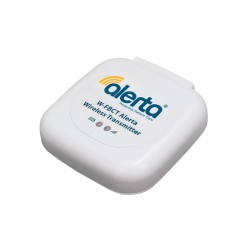
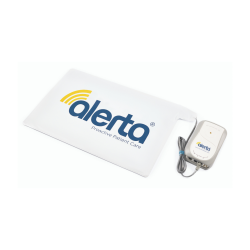
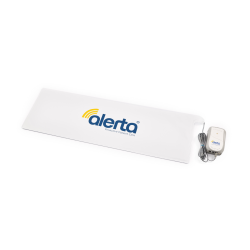
Wireless patient alarms provide sophisticated monitoring systems detecting patient movement and alerting care staff to fall risks across care homes, hospitals, and healthcare facilities throughout England, Scotland, Wales, and Northern Ireland. These advanced safety systems utilise wireless sensor technology monitoring beds, chairs, and floor areas, transmitting alerts to staff when patients attempt unsafe independent movement. Care environments rely on wireless patient alarms for monitoring patients with dementia attempting unsafe mobilisation, detecting bed and chair exits for falls risk patients, alerting staff to toilet visits requiring assistance, monitoring confused patients prone to wandering, and providing comprehensive surveillance without restrictive interventions. Modern wireless alarm systems incorporate features including reliable radio frequency transmission eliminating trailing wires, varied sensor types addressing different monitoring needs, centralised receiving units enabling comprehensive facility monitoring, audible and visual alerts ensuring staff awareness, and battery-powered operation preventing dependence on electrical infrastructure. The provision of wireless patient alarm systems demonstrates commitment to proactive falls prevention through early detection, supports person-centred care avoiding restrictive practices, enables comprehensive monitoring across large facilities, and reflects investment in advanced safety technology across professional care environments.
The implementation of wireless patient alarms directly supports CQC compliance through proactive falls prevention, reduced restrictive practices, and demonstration of advanced safety technology provision. Traditional approaches to preventing unsafe patient mobilisation often involved physical restraints or constant supervision, both problematic from dignity and resource perspectives. Wireless alarms address these challenges by providing early warning of unsafe movement attempts enabling timely staff intervention, monitoring patients without restrictive devices maintaining dignity, alerting staff before falls occur rather than after, and enabling effective monitoring across large facilities from central locations. Clinical applications include dementia care monitoring confused residents attempting unsafe independent mobilisation, post-fall care providing enhanced surveillance following falls, night-time monitoring alerting staff to bathroom visits requiring assistance, rehabilitation settings supporting progressive independence whilst maintaining safety backup, and general falls prevention for high-risk patients. Care organisations benefit from wireless alarms through reduced falls incidents when early intervention prevents unsafe attempts, decreased restrictive practice use supporting CQC ratings, enhanced efficiency enabling targeted staff response rather than constant supervision, and comprehensive monitoring capability across entire facilities. Modern wireless systems incorporate advanced features such as programmable alert delays, integration with nurse call systems, and detailed activity logging throughout England, Scotland, Wales, and Northern Ireland.
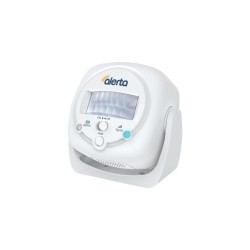
Selecting and implementing wireless patient alarm systems requires comprehensive assessment, appropriate system specification, and integration with falls prevention strategies across care facilities throughout the UK. Organisations should conduct falls risk assessment determining monitoring requirements, evaluate facility characteristics including building size and layout influencing system design, assess integration needs with existing nurse call or monitoring systems, and calculate equipment quantities ensuring comprehensive coverage. System selection should prioritise reliable wireless transmission with adequate range and interference resistance, varied sensor types including bed mats, chair sensors, floor mats, and infrared detectors addressing different monitoring scenarios, appropriate receiving units with clear alerts and multiple alert capability, robust construction withstanding clinical use, and user-friendly operation encouraging consistent use. Implementation protocols must encompass comprehensive staff training on system operation including sensor placement, alert response procedures, and troubleshooting common issues, integration with individual care plans documenting alarm use, and clear procedures ensuring consistent monitoring. Quality assurance measures should include regular system testing ensuring functionality, documented maintenance schedules particularly battery replacement, monitoring of alert response times, and evaluation of effectiveness through falls data analysis. Modern wireless alarm systems incorporate features such as two-way communication, mobile alert capability, and analytics dashboards. Organisations should establish protocols for alarm allocation based on falls risk assessment, integrate with comprehensive falls prevention strategies including environmental safety and mobility support, and maintain documentation. Individual care plans should specify alarm types, sensor locations, and response requirements. Staff education should address alarm purposes, appropriate patient selection, prompt alert response importance, and recognition that alarms complement rather than replace comprehensive falls prevention. System management should ensure adequate sensor stocks, battery replacement schedules, and backup equipment availability. By implementing wireless patient alarm systems alongside professional falls prevention protocols, care organisations throughout England, Scotland, Wales, and Northern Ireland demonstrate their commitment to CQC standards, proactive falls prevention through early detection, person-centred care avoiding restrictive practices, and comprehensive safety monitoring supporting timely staff intervention preventing falls whilst maintaining dignity and independence across care environments.
Wired Patient Alarms
Reliable Hardwired Monitoring for Patient Safety
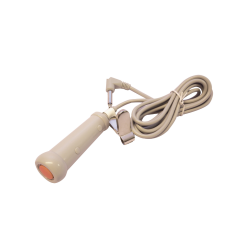
Wired patient alarms provide dependable monitoring systems connecting sensors directly to alarm units or nurse call systems, detecting patient movement and alerting care staff to fall risks across care homes, hospitals, and healthcare facilities throughout England, Scotland, Wales, and Northern Ireland. These proven safety systems utilise physical cable connections between sensors monitoring beds, chairs, and floor areas and receiving units producing alerts, offering reliability through hardwired operation. Care environments rely on wired patient alarms for monitoring high-risk patients requiring dependable surveillance, detecting bed and chair exits preventing falls, alerting staff to unsafe mobilisation attempts, integrating with existing wired nurse call infrastructure, and providing cost-effective monitoring where wireless systems are unnecessary. Modern wired alarm systems incorporate features including simple reliable operation through proven technology, varied sensor types addressing different monitoring needs, clear audible alerts ensuring staff awareness, nurse call integration enabling comprehensive facility alerting, and straightforward installation compatible with existing infrastructure. The provision of wired patient alarm systems demonstrates commitment to falls prevention through established technology, supports cost-effective safety provision, enables integration with existing systems, and provides reliable monitoring across professional care environments.
The implementation of wired patient alarms directly supports CQC compliance through proactive falls prevention, cost-effective safety provision, and demonstration of reliable monitoring technology. Wired systems offer particular advantages in situations where wireless infrastructure is unnecessary or where integration with existing wired nurse call systems provides operational benefits. Wired alarms address falls prevention requirements by providing dependable patient movement detection, alerting staff before falls occur enabling intervention, monitoring patients without restrictive devices maintaining dignity, and integrating with nurse call systems enabling comprehensive facility alerting. Clinical applications include high-risk patient monitoring providing reliable surveillance, integration with wired nurse call systems maximising existing infrastructure, situations where electromagnetic interference concerns affect wireless system suitability, cost-sensitive implementations where wired systems provide economical solutions, and simple monitoring scenarios where wireless system sophistication proves unnecessary. Care organisations benefit from wired alarms through proven reliable technology, cost-effectiveness particularly for smaller implementations or where integration with wired nurse call exists, simple operation with minimal training requirements, and reduced maintenance compared to battery-dependent wireless systems. Modern wired alarm systems incorporate features such as multi-sensor capability, visual alert options, and standardised connectors throughout England, Scotland, Wales, and Northern Ireland.
Selecting and implementing wired patient alarm systems requires assessment of monitoring needs, appropriate system specification, and integration planning across care facilities throughout the UK. Organisations should evaluate falls risk determining monitoring requirements, assess facility infrastructure particularly existing nurse call systems, consider operational factors including wired system installation implications, and calculate equipment quantities ensuring adequate coverage. System selection should prioritise appropriate sensor types including bed mats, chair sensors, and floor mats addressing monitoring scenarios, suitable alarm units with clear alerts or nurse call integration capability, reliable construction ensuring consistent operation, standardised connections enabling sensor interchangeability, and appropriate cable lengths accommodating typical bed and chair placements. Implementation protocols must encompass sensor installation ensuring proper positioning and secure cable routing, staff training on system operation including alert response and basic troubleshooting, integration with care plans documenting alarm use, and procedures ensuring consistent monitoring. Quality assurance measures should include regular system testing verifying functionality, sensor inspection checking for wear particularly mat sensors subject to patient weight, documented maintenance schedules, and monitoring of alert response effectiveness. Modern wired systems incorporate features such as tamper detection, low-profile sensors, and modular designs. Organisations should establish protocols for wired alarm allocation, integrate with comprehensive falls prevention strategies, and maintain documentation demonstrating monitoring provision. Individual care plans should specify sensor types and locations, alert routing, and staff response requirements. Staff education should address wired alarm purposes, sensor care preventing damage, cable management preventing trip hazards, and recognition that alarms complement comprehensive falls prevention. System management should address cable routing safety, sensor stock maintenance, and compatibility when replacing components. By implementing wired patient alarm systems alongside professional falls prevention protocols, care organisations throughout England, Scotland, Wales, and Northern Ireland demonstrate their commitment to CQC standards, reliable falls prevention monitoring through proven technology, cost-effective safety provision, and dependable patient surveillance supporting timely staff intervention preventing falls whilst maintaining person-centred care approaches across care environments.
Alerta Patient Alarm...
Essential Components for Alarm System Maintenance
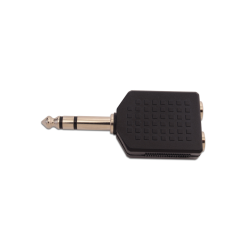
Alerta patient alarm accessories provide vital replacement parts and components maintaining patient alarm system functionality across care homes, hospitals, and healthcare facilities throughout England, Scotland, Wales, and Northern Ireland. These essential accessories encompass replacement sensor mats for beds, chairs, and floors subject to wear from patient use, connection leads linking sensors to alarm units, replacement batteries maintaining wireless system operation, mounting brackets and accessories supporting secure installation, and varied components ensuring continued alarm system effectiveness. Healthcare organisations rely on Alerta accessories for replacing worn sensor mats maintaining monitoring capability, restocking connection leads enabling sensor flexibility, maintaining battery supplies for wireless systems, replacing damaged components restoring functionality, and ensuring alarm system readiness through adequate accessory stocks. Modern Alerta accessories incorporate features including guaranteed compatibility with Alerta alarm systems, quality construction ensuring reliable performance, standardised connections simplifying replacement, and appropriate specifications meeting clinical monitoring requirements. The availability of comprehensive Alerta alarm accessories ensures continuous patient monitoring capability, extends alarm system lifespan through component replacement, prevents monitoring gaps from equipment failures, and demonstrates professional equipment management across care environments.
The provision of appropriate Alerta patient alarm accessories directly supports CQC compliance through maintained falls prevention capability, reliable monitoring system operation, and demonstration of professional equipment stewardship. Patient alarm systems require regular maintenance, with sensor mats subject to wear from patient weight, connection leads damaged through use, and batteries depleting in wireless systems. Alerta accessories address these requirements by enabling timely replacement of worn sensor mats maintaining monitoring sensitivity, providing connection leads supporting varied sensor placements, ensuring battery availability maintaining wireless system operation, and offering replacement components restoring damaged equipment functionality. Clinical benefits include continuous falls prevention monitoring through maintained system operation, prevented monitoring gaps when components are readily replaced, extended equipment lifespan through component replacement rather than complete system replacement, and cost-effectiveness through targeted component replacement. Healthcare organisations benefit from Alerta accessories through maintained falls prevention capability preventing monitoring compromises, extended system lifespan protecting capital investment, responsive maintenance through readily available components, and regulatory compliance through documented equipment maintenance. Modern Alerta accessories incorporate features such as quick-change designs, clear compatibility labelling, and quality assurance throughout England, Scotland, Wales, and Northern Ireland.
Selecting and implementing Alerta patient alarm accessory management requires assessment of alarm system inventory, appropriate accessory specification, and establishment of maintenance protocols across care facilities throughout the UK. Organisations should evaluate their Alerta alarm system inventory identifying required accessories, assess typical wear patterns determining replacement schedules particularly for sensor mats subject to patient weight, review historical usage informing stock requirements, and calculate appropriate accessory quantities preventing stockouts. Accessory selection should prioritise genuine Alerta components ensuring guaranteed compatibility, appropriate sensor mat types matching installed systems including bed, chair, and floor variants, adequate connection lead lengths accommodating varied placements, suitable batteries for wireless systems, and quality construction ensuring reliability. Implementation protocols should encompass regular equipment inspection identifying worn components requiring replacement, documented accessory provision and equipment maintenance, staff training on component replacement for simple items like batteries, and procedures ensuring timely procurement. Quality assurance measures should include periodic inventory review ensuring accessory availability, monitoring of component lifespan identifying excessive wear suggesting issues, documented maintenance schedules demonstrating equipment stewardship, and evaluation of accessory effectiveness. Modern accessory management may incorporate features such as electronic inventory tracking, automated reorder alerts, and maintenance scheduling systems. Organisations should establish equipment management systems tracking alarm systems and accessory requirements, maintain adequate accessory stocks preventing monitoring compromises, and implement procurement ensuring timely availability. Staff education should address recognition of worn components requiring replacement, proper accessory installation for items they can replace, and reporting procedures for maintenance requirements. Storage should protect accessories whilst ensuring accessibility. Procurement should recognise that genuine Alerta accessories ensure compatibility and reliability compared to generic alternatives. By maintaining comprehensive Alerta patient alarm accessory supplies and implementing professional equipment management protocols, care organisations throughout England, Scotland, Wales, and Northern Ireland demonstrate their commitment to CQC standards, maintained falls prevention monitoring through reliable equipment, professional equipment stewardship through component maintenance, and responsive management ensuring continuous patient alarm system operation supporting falls prevention and patient safety across care environments.