Clinical First Aid Equipment

Subcategories

  • First Aid Kits

    Comprehensive Emergency Response Kits for Varied Environments

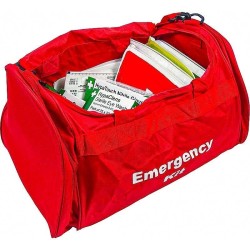
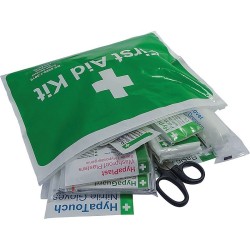
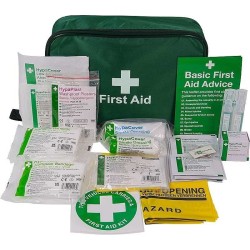
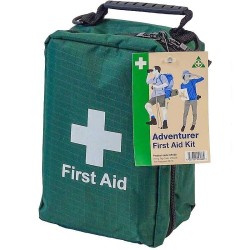
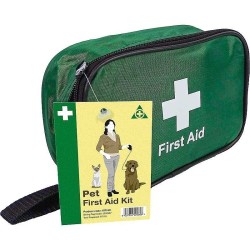
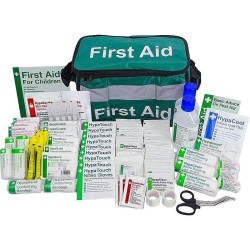
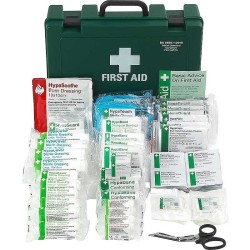
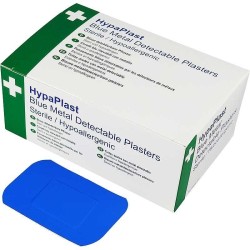
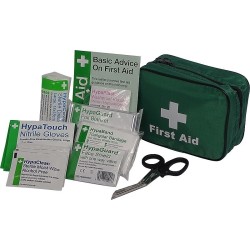
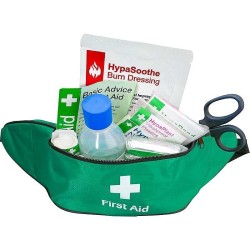
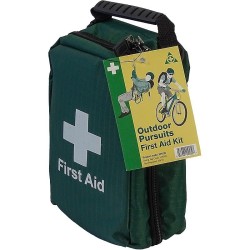
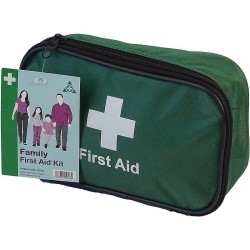
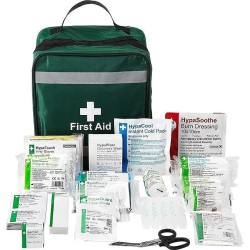
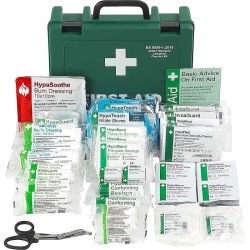
    First aid kits provide essential emergency response supplies assembled in convenient packages addressing workplace injuries, domestic accidents, and health emergencies across care homes, workplaces, educational facilities, sports venues, and public spaces throughout England, Scotland, Wales, and Northern Ireland. These vital safety provisions contain dressings, bandages, plasters, cleansing supplies, protective equipment, and emergency items enabling immediate injury management pending professional medical review. Professional environments rely on first aid kits for workplace accident response, care home resident injury management, sports injury treatment, educational facility incidents, event first aid provision, and vehicle emergency supplies. Modern first aid kits incorporate features including British Standard BS8599-1 compliance ensuring appropriate contents, varied sizes addressing different risk assessments from small low-risk workplace kits to comprehensive high-risk environment kits, durable containers protecting contents and enabling easy transport, clearly labelled contents supporting rapid item location, and appropriate contents addressing typical injuries. The provision of comprehensive appropriately stocked first aid kits demonstrates commitment to safety and emergency preparedness, ensures regulatory compliance with health and safety requirements, enables immediate injury response, and supports duty of care across professional and public environments.

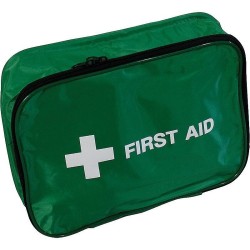
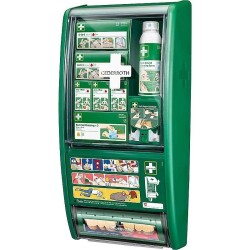
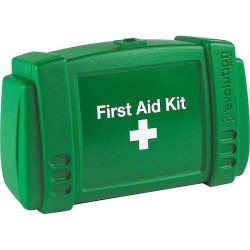
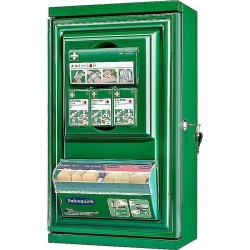
    The implementation of appropriate first aid kit provision directly supports workplace safety, regulatory compliance, and demonstration of duty of care towards employees, residents, students, or public. Health and Safety Executive regulations require employers to provide adequate first aid equipment based on workplace risk assessment, with British Standard BS8599-1 providing specifications for workplace first aid kit contents. First aid kits address emergency response requirements by enabling immediate treatment of minor injuries preventing escalation, supporting major incident management pending emergency services, demonstrating safety preparedness to regulators and stakeholders, and fulfilling legal obligations under health and safety legislation. Typical applications include workplace injuries from cuts, burns, sprains, and varied accidents, care home resident falls and injuries, sports injuries requiring immediate pitch-side treatment, educational facility incidents from playground accidents to classroom injuries, and public event first aid provision. Organisations benefit from first aid kit provision through regulatory compliance meeting HSE requirements, reduced injury severity through immediate treatment, demonstrated duty of care supporting reputation and liability management, and enhanced safety culture. Modern first aid kits incorporate features such as wall-mountable cabinets, portable cases, and refill systems throughout England, Scotland, Wales, and Northern Ireland.

    Selecting and implementing first aid kits requires workplace risk assessment, appropriate kit specification based on findings, and establishment of first aid management protocols across organisations throughout the UK. Employers should conduct first aid needs assessments considering workforce size, injury risks, environmental hazards, workplace location affecting emergency service access, and employee working patterns. Kit selection should follow British Standard BS8599-1 guidance specifying three kit sizes for low, medium, and high-risk workplaces, appropriate contents addressing identified risks with additional items for specific hazards, adequate quantities based on workforce size, and suitable containers with wall-mounted cabinets for fixed locations or portable cases for mobile workers. Implementation protocols must encompass appointed person or first aider designation with appropriate training, first aid kit location ensuring accessibility whilst preventing unauthorised access, clear signage indicating kit locations, and regular stock checks maintaining contents. Quality assurance measures should include documented inspection schedules checking contents and expiry dates, restocking procedures replacing used or expired items, incident recording enabling trend analysis, and periodic needs assessment review. Modern first aid kits may incorporate features such as digital inventory management, automated expiry alerts, and specialist additions. Organisations should establish first aid policies defining responsibilities, procedures, and training requirements, integrate with broader health and safety management, and maintain records demonstrating compliance. Additional considerations include provision of multiple kits in large premises, travelling first aid kits for mobile workers, and vehicle first aid kits. Staff education should address first aid kit locations, appointed person contact details, and reporting procedures. By implementing appropriate first aid kit provision alongside professional management protocols, organisations throughout England, Scotland, Wales, and Northern Ireland demonstrate their commitment to health and safety compliance, regulatory requirements, employee and public safety, and professional emergency response capability supporting immediate injury management and demonstrating responsible duty of care across all working and public environments.

  • Burn Treatment

    Specialist Supplies for Effective Burn and Scald Management

    Burn treatment supplies provide specialised emergency response products specifically designed for thermal injuries across workplaces, care facilities, catering environments, and domestic settings throughout England, Scotland, Wales, and Northern Ireland. These purpose-designed items encompass burn dressings providing sterile non-adherent coverage, cooling gels reducing heat and pain, hydrogel materials maintaining optimal healing environment, specialist burn plasters, and comprehensive burn care solutions addressing thermal, chemical, and electrical burns. Organisations rely on burn treatment supplies for immediate burn injury response, appropriate cooling and coverage, prevention of infection through sterile dressings, pain relief through cooling products, and professional burn management pending medical review. Modern burn treatment products incorporate features including sterile packaging preventing contamination, non-adherent materials preventing dressing adhesion to wounds, cooling properties reducing tissue damage, varied sizes accommodating different burn extents, and clear instructions supporting appropriate use. The provision of comprehensive burn treatment supplies demonstrates commitment to workplace safety particularly in high-risk environments, supports immediate appropriate burn management, enables professional emergency response, and fulfils duty of care across environments with burn risks.

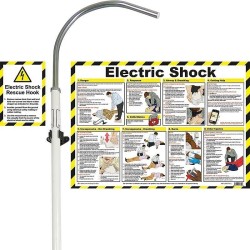
    The implementation of burn treatment supplies directly supports workplace safety, appropriate burn emergency management, and demonstration of professional safety preparedness particularly in burn risk environments. Burns represent serious injuries requiring immediate appropriate treatment, with correct first aid significantly influencing outcomes through tissue damage limitation and infection prevention. Burn treatment supplies address emergency management by providing immediate cooling reducing tissue damage, sterile coverage preventing infection, appropriate dressings maintaining optimal healing environment, pain relief through cooling products, and professional capability pending medical assessment. Burn injury applications include workplace burns in catering, manufacturing, or chemical handling, domestic scalds particularly in care facilities, chemical burns requiring specialist response, electrical burns demanding appropriate management, and varied thermal injuries. Organisations benefit from burn treatment supplies through enhanced burn injury outcomes via appropriate immediate treatment, demonstrated safety preparedness particularly for HSE compliance in burn risk workplaces, reduced infection and complication risks, and professional emergency response capability. Modern burn treatment products incorporate advanced features such as rapid cooling action, antimicrobial properties, and evidence-based designs throughout England, Scotland, Wales, and Northern Ireland.

    Selecting and implementing burn treatment supplies requires burn risk assessment, appropriate product specification, and integration with emergency response protocols across organisations throughout the UK. Safety managers should conduct comprehensive risk assessments identifying burn hazards particularly in catering, manufacturing, and chemical handling, evaluate typical burn scenarios determining required supplies, assess workforce training needs, and calculate appropriate stock levels. Product selection should prioritise sterile burn dressings in varied sizes, cooling gels or hydrogel products, specialist burn plasters for minor burns, comprehensive burn kits for high-risk environments, and appropriate quantities based on risk assessment. Implementation protocols must encompass staff training on burn first aid including cooling procedures and appropriate dressing application, clear burn emergency procedures, strategic supply location ensuring accessibility, and documented stock management. Quality assurance measures should include regular inspection and restocking, expiry date monitoring, incident recording and analysis, and training maintenance. Modern burn treatment management may incorporate workplace burn risk mapping and targeted supply placement. Organisations should establish burn emergency procedures, integrate with broader first aid provision, and maintain documentation. High-risk environments including commercial kitchens should maintain enhanced burn treatment capability. Staff education should address immediate burn response including cooling duration, appropriate product selection, recognition of serious burns requiring emergency medical care, and prevention of common errors. By implementing comprehensive burn treatment supplies alongside professional protocols, organisations throughout England, Scotland, Wales, and Northern Ireland demonstrate commitment to workplace safety particularly in burn risk environments, appropriate burn emergency management, professional preparedness, and effective immediate response supporting optimal burn outcomes and reduced complications across all environments with thermal injury risks.

  • First Aid Consumables

    Essential Supplies Maintaining First Aid Kit Readiness

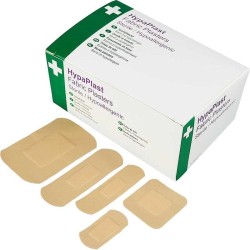
    First aid consumables provide vital replacement supplies maintaining first aid kit stocks and ensuring emergency response capability across workplaces, care homes, educational facilities, and public venues throughout England, Scotland, Wales, and Northern Ireland. These essential items encompass sterile wound dressings, bandages, adhesive plasters, cleansing wipes, disposable gloves, resuscitation aids, safety pins, and varied supplies requiring regular replenishment following use or expiry. Organisations rely on first aid consumables for restocking first aid kits after incidents, replacing expired items maintaining kit compliance, establishing adequate stock reserves, responding to increased incident rates, and maintaining multiple kit locations. Modern first aid consumables incorporate features including British Standard BS8599-1 compliance where applicable, sterile packaging ensuring hygiene, clearly marked expiry dates supporting stock management, varied sizes addressing different injury severities, and bulk packaging options providing cost-effective restocking. The availability of comprehensive first aid consumables ensures continuous emergency response capability, prevents kit depletion compromising safety, supports regulatory compliance through maintained kit standards, and demonstrates professional first aid management across professional and public environments.
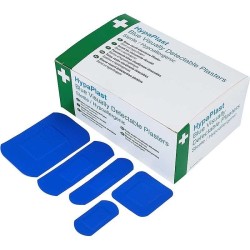
    The implementation of appropriate first aid consumable provision directly supports emergency preparedness, regulatory compliance, and demonstration of professional safety management. First aid kits require regular replenishment, with used items needing replacement and expired items requiring disposal even if unused. First aid consumables address these requirements by enabling prompt kit restocking maintaining emergency response capability, supporting compliance with British Standard specifications requiring specific items, preventing kit depletion during high-incident periods, and ensuring item quality through replacement before expiry. Consumable management applications include routine restocking following normal kit checks, incident response replacing used items immediately maintaining kit readiness, expiry date management replacing items before expiry ensuring effectiveness, bulk restocking maintaining multiple kit locations efficiently, and seasonal preparation increasing stocks for high-risk periods. Organisations benefit from maintained first aid capability through adequate consumable stocks, regulatory compliance meeting HSE requirements for kit maintenance, cost-effectiveness through bulk purchasing, and professional safety management demonstrating duty of care. Modern consumable supply approaches incorporate features such as subscription services, automated alerts, and customised packs throughout England, Scotland, Wales, and Northern Ireland.
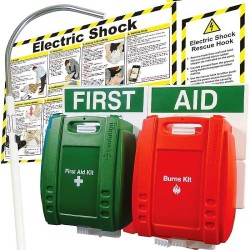
    Selecting and implementing first aid consumable management requires stock assessment, appropriate item specification, and establishment of replenishment protocols across organisations throughout the UK. Safety managers should evaluate first aid kit inventories identifying required consumables, assess incident patterns determining typical usage rates, review expiry date management identifying replacement schedules, and calculate stock requirements ensuring adequate reserves. Consumable selection should follow British Standard BS8599-1 specifications where applicable, prioritise appropriate items matching kit types and workplace risks, ensure adequate quantities preventing stockouts, and consider bulk purchasing for cost-effectiveness. Implementation protocols should encompass regular stock checks using checklists documenting contents, restocking procedures with designated responsibilities, expiry date monitoring using first-in-first-out systems, and incident recording identifying usage patterns. Quality assurance measures should include documented inspection schedules, supplier management ensuring reliable supply, storage protocols protecting consumables from damage or contamination, and budget monitoring controlling costs. Modern consumable management may incorporate features such as electronic inventory systems, barcode scanning, and automated reordering. Organisations should establish clear first aid management policies defining restocking responsibilities, procedures, and standards, integrate with procurement systems, and maintain documentation demonstrating compliance. Storage considerations should ensure consumables are kept clean, dry, and within temperature ranges preserving quality, whilst remaining accessible for restocking. Staff education should address first aid kit contents enabling recognition when items are used or expired, reporting procedures, and restocking protocols. Procurement approaches should balance cost considerations with quality requirements and supply reliability. By implementing comprehensive first aid consumable management alongside professional protocols, organisations throughout England, Scotland, Wales, and Northern Ireland demonstrate their commitment to health and safety compliance, maintained emergency response capability, professional safety management, and responsible stewardship ensuring first aid kits remain properly stocked and effective supporting immediate injury management across all working and public environments.

  • Evacuation Equipment

    Essential Equipment for Safe Emergency Building Evacuation

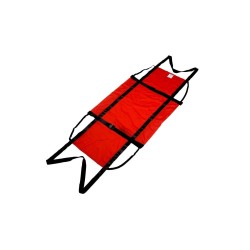
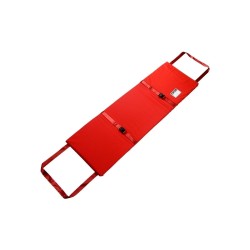
    Evacuation equipment provides crucial apparatus enabling safe emergency building evacuation particularly for individuals with mobility limitations across care homes, hospitals, offices, educational facilities, and multi-storey buildings throughout England, Scotland, Wales, and Northern Ireland. These vital devices encompass evacuation chairs facilitating stairway descent, evacuation sledges enabling dragging along flat surfaces and stairs, evacuation sheets supporting multiple carers moving patients, and varied equipment addressing different building layouts and occupant needs. Buildings serving or employing people with mobility limitations rely on evacuation equipment for ensuring all occupants can evacuate safely during fire or emergency, fulfilling legal obligations under fire safety and equality legislation, demonstrating inclusive fire safety provision, enabling timely evacuation preventing dangerous delays, and supporting emergency services during rescue operations. Modern evacuation equipment incorporates features including stable construction ensuring safe use during stressful emergencies, smooth-rolling mechanisms facilitating controlled stairway descent, secure restraints protecting evacuees during movement, compact storage enabling strategic placement, and user-friendly design allowing operation by personnel without specialist training. The provision of appropriate evacuation equipment demonstrates commitment to inclusive safety, fulfils regulatory obligations, enables comprehensive emergency planning, and supports duty of care across buildings serving vulnerable populations.

    The implementation of evacuation equipment directly supports fire safety compliance, regulatory obligations under equality legislation, and demonstration of comprehensive emergency preparedness. Buildings housing or employing individuals with mobility limitations face serious challenges during evacuation, with conventional stairway evacuation impossible for wheelchair users and difficult for others with mobility impairments. Evacuation equipment addresses these challenges by enabling safe stairway evacuation for mobility-impaired individuals, providing alternatives when lifts cannot be used during fire emergencies, supporting timely evacuation preventing dangerous delays whilst emergency services respond, and fulfilling legal obligations under Fire Safety Order and Equality Act requirements. Applications include care homes evacuating residents unable to use stairs independently, hospitals enabling patient evacuation during fire emergencies, office buildings supporting disabled employees, educational facilities ensuring student safety regardless of mobility, and public buildings demonstrating inclusive fire safety. Building managers benefit from evacuation equipment through regulatory compliance meeting fire safety and equality obligations, demonstrated duty of care protecting vulnerable occupants, reduced liability through appropriate safety provision, and comprehensive emergency planning. Modern evacuation equipment incorporates safety features such as automatic braking systems, secure harnesses, and robust construction throughout England, Scotland, Wales, and Northern Ireland.

    Selecting and implementing evacuation equipment requires building risk assessment, appropriate equipment specification, and comprehensive staff training across facilities throughout the UK. Building managers should conduct fire risk assessments identifying occupants requiring evacuation assistance, evaluate building characteristics including stairway design and evacuee locations, assess emergency response capabilities, and determine appropriate equipment types and quantities. Equipment selection should prioritise evacuation chairs for stairway descent with tracked models for smooth controlled descent, sledges for dragging evacuees along corridors and down stairs, sheets for multi-person carrying, and appropriate weight capacity matching occupant needs. Implementation protocols must encompass strategic equipment placement ensuring accessibility during emergencies, clear signage indicating equipment locations, comprehensive staff training on equipment operation including practical stairway descent practice, and integration with Personal Emergency Evacuation Plans for identified individuals. Quality assurance measures should include regular equipment inspection ensuring functionality, documented testing schedules, storage protecting equipment whilst ensuring emergency access, and emergency drill evaluation testing evacuation procedures. Modern evacuation equipment incorporates features such as lightweight construction, minimal maintenance requirements, and multi-person operation capability. Building managers should establish emergency evacuation procedures incorporating equipment use, designate trained staff responsible for assisting mobility-impaired occupants, maintain documentation demonstrating compliance, and conduct regular evacuation drills. Staff training should address equipment location and use, specific individuals requiring assistance, communication during emergencies, and emergency service liaison. Storage should balance protection with immediate accessibility during emergencies. By implementing evacuation equipment alongside comprehensive training and procedures, building managers throughout England, Scotland, Wales, and Northern Ireland demonstrate their commitment to fire safety compliance, equality obligations ensuring inclusive safety provision, duty of care towards vulnerable occupants, and comprehensive emergency preparedness enabling safe building evacuation for all occupants regardless of mobility across all facilities housing or employing people with mobility limitations.

  • Eye Care

    Specialist Supplies for Emergency Eye Injury Management

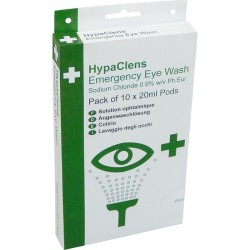
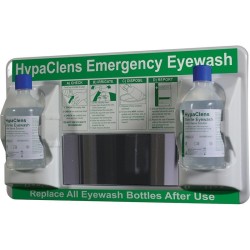
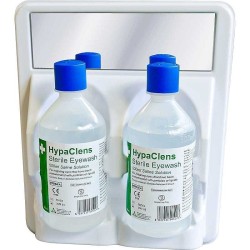
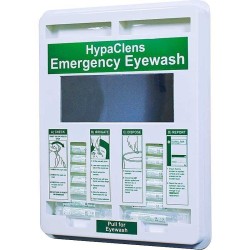
    Eye care supplies provide specialist emergency response products specifically designed for eye injuries across workplaces, laboratories, construction sites, and environments with eye injury risks throughout England, Scotland, Wales, and Northern Ireland. These purpose-designed items encompass emergency eyewash solutions for rinsing contaminated eyes, sterile eye pads providing coverage and protection, eye care kits containing comprehensive supplies, eyewash stations enabling immediate irrigation, and varied products addressing chemical splashes, foreign objects, and eye trauma. Organisations rely on eye care supplies for immediate eye injury response, chemical splash emergency treatment, foreign object irrigation, infection prevention through sterile supplies, and regulatory compliance particularly in high-risk environments. Modern eye care products incorporate features including sterile packaging preventing contamination, appropriate solutions for eye irrigation, comfortable eye pads, clear emergency instructions, and varied delivery methods from portable bottles to fixed stations. The provision of comprehensive eye care supplies demonstrates commitment to workplace eye safety, supports immediate appropriate eye injury management, enables emergency response particularly for chemical injuries, and fulfils duty of care across environments with eye hazards.

    The implementation of eye care supplies directly supports workplace eye safety, emergency eye injury management, and demonstration of safety preparedness particularly in eye hazard environments. Eye injuries represent serious workplace incidents requiring immediate appropriate treatment, with delayed or incorrect response potentially causing permanent vision damage. Eye care supplies address emergency management by enabling immediate eye irrigation removing contaminants, providing sterile coverage protecting injured eyes, supporting appropriate emergency response, preventing infection through sterile supplies, and demonstrating professional safety preparedness. Eye injury applications include chemical splashes requiring immediate irrigation, foreign objects needing removal through irrigation, workplace trauma demanding sterile coverage, laboratory incidents, and construction or manufacturing eye hazards. Organisations benefit from eye care supplies through enhanced eye injury outcomes via immediate appropriate treatment, demonstrated safety compliance particularly for HSE and COSHH requirements, reduced serious injury risks, and professional emergency capability. Modern eye care products incorporate features such as isotonic saline solutions, ergonomic bottle designs, and integrated eye cups throughout England, Scotland, Wales, and Northern Ireland.

    Selecting and implementing eye care supplies requires eye hazard risk assessment, appropriate product specification, and integration with workplace safety protocols across organisations throughout the UK. Safety managers should conduct eye hazard assessments particularly for chemical handling, dust environments, and physical hazards, evaluate typical eye injury scenarios, assess regulatory requirements especially COSHH for chemical hazards, and determine appropriate supply types and quantities. Product selection should prioritise emergency eyewash bottles or stations for immediate irrigation, sterile eye pads, comprehensive eye care kits for high-risk environments, appropriate quantities based on risk assessment and workforce size, and specification compliance where applicable. Implementation protocols must encompass strategic placement ensuring immediate access particularly near chemical handling areas, staff training on eye injury first aid and eyewash use, clear eye injury emergency procedures, and documented inspections. Quality assurance measures should include regular supply checks, expiry date monitoring particularly for eyewash solutions, emergency equipment testing, and incident recording. Modern eye care management may incorporate digital training and incident analysis. Organisations should establish eye injury emergency procedures specific to workplace hazards, integrate with broader safety management, and maintain documentation. High-risk environments require enhanced provision including fixed eyewash stations. Staff education should address immediate eye injury response emphasising irrigation importance and duration, appropriate product use, escalation to emergency care, and prevention strategies. By implementing comprehensive eye care supplies alongside professional protocols, organisations throughout England, Scotland, Wales, and Northern Ireland demonstrate commitment to workplace eye safety particularly in high-risk environments, appropriate emergency response capability, professional preparedness, and effective immediate treatment supporting optimal eye injury outcomes across all environments with ocular hazards.

  • Specialized Emergency...

    Specific Emergency Response Equipment for Critical Situations

    Specialized emergency equipment addresses specific critical situations requiring dedicated intervention equipment beyond general first aid provision. These specialized items including CPR equipment, emergency oxygen, trauma supplies, and critical incident equipment support serious emergency response requiring advanced intervention capability, enabling trained healthcare professionals and emergency responders to provide critical care during life-threatening situations throughout emergency departments, pre-hospital care, and any settings requiring advanced emergency response capability.

    Critical emergencies including cardiac arrest, respiratory failure, severe trauma, and medical emergencies require specialized equipment beyond basic first aid kits. Specialized emergency equipment provides this advanced capability through CPR masks, bag-valve-mask devices, emergency oxygen systems, and trauma management supplies. Equipment selection matches responder training and scope of practice, organizational risk assessment, and emergency protocols. Advanced emergency equipment demonstrates enhanced preparedness supporting optimal outcomes during critical situations requiring immediate advanced intervention.

    Healthcare facilities, emergency response teams, and organizations with advanced first aid capability can implement specialized emergency equipment supporting critical incident response. Equipment matches training levels and anticipated emergency types, comprehensive supplies support serious incident management, and regular inspection maintains readiness. Staff training ensures appropriate equipment utilization and clinical competence. Specialized emergency equipment demonstrates advanced emergency preparedness providing critical intervention capability supporting life-saving responses during serious emergencies throughout healthcare and emergency service environments managing life-threatening situations requiring specialized emergency response equipment.

  • Cederroth Healthcare...

    Premium Cederroth First Aid Systems for Professional Healthcare

    Cederroth healthcare products provide premium quality first aid and emergency supplies from established Swedish manufacturer renowned for innovative healthcare products. These professional-grade items represent superior design, reliable functionality, and evidence-based solutions supporting quality first aid provision, enabling healthcare professionals and occupational health services to implement premium first aid programs demonstrating commitment to quality through recognized manufacturer selection throughout healthcare facilities and workplaces prioritizing superior first aid provision.

    First aid equipment quality impacts response effectiveness, demonstrating organizational priorities through supplier selection. Cederroth represents premium manufacturer with extensive healthcare product development experience, offering innovative solutions addressing contemporary healthcare and occupational health challenges. Product quality affects reliability during emergencies when equipment performance matters significantly. Premium manufacturers like Cederroth provide quality assurance supporting confidence in emergency equipment performance throughout critical situations demanding reliable effective first aid capability.

    Healthcare facilities and organizations prioritizing quality first aid provision can select Cederroth products demonstrating commitment to premium emergency equipment. Superior design supports effective emergency response, reliable performance ensures equipment functions during critical situations, and recognized manufacturer quality provides confidence. Cederroth healthcare products represent premium first aid provision supporting quality emergency response through superior equipment selection throughout healthcare and occupational environments prioritizing excellence in first aid capability demonstrating organizational commitment to quality safety provision through recognized manufacturer partnerships.

Active filters